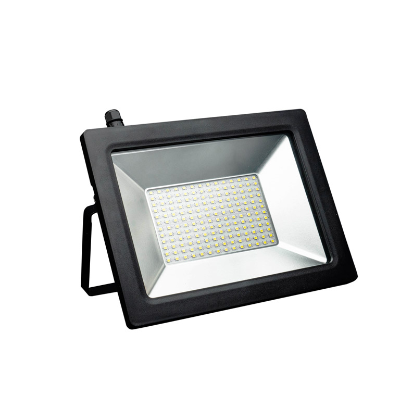
The practical difference between high-power (400W–600W) and standard (100W–200W) LED flood lights is installation height and thermal demand: standard fixtures serve low poles and area lighting, while high-power units serve 15m+ high-mast applications where heat and optics must be engineered far more aggressively. RRR Lighting’s cataloged flood lights run 50W, 100W, 150W, and 200W – […]
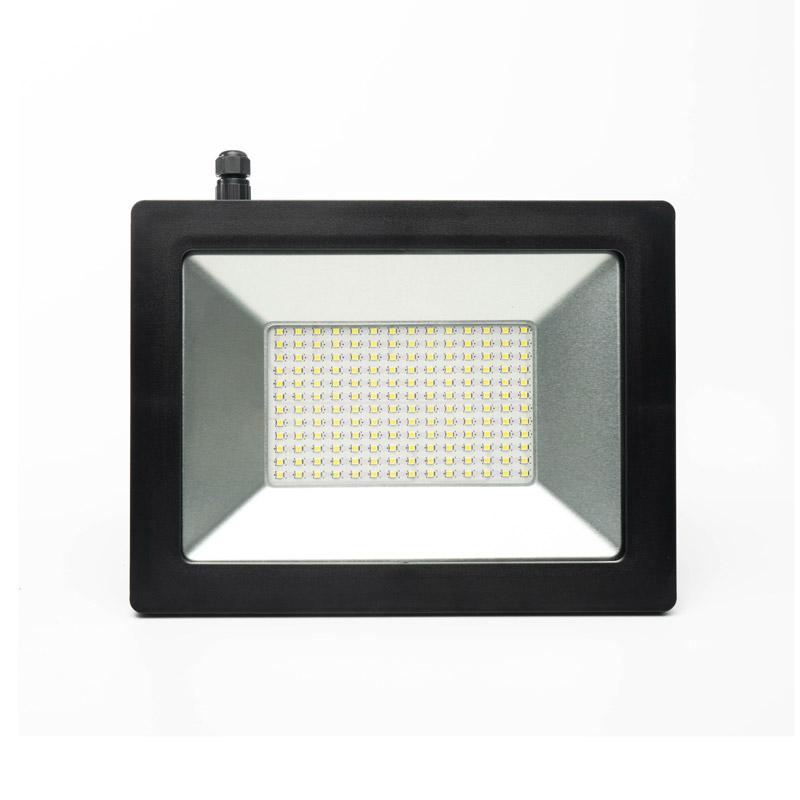
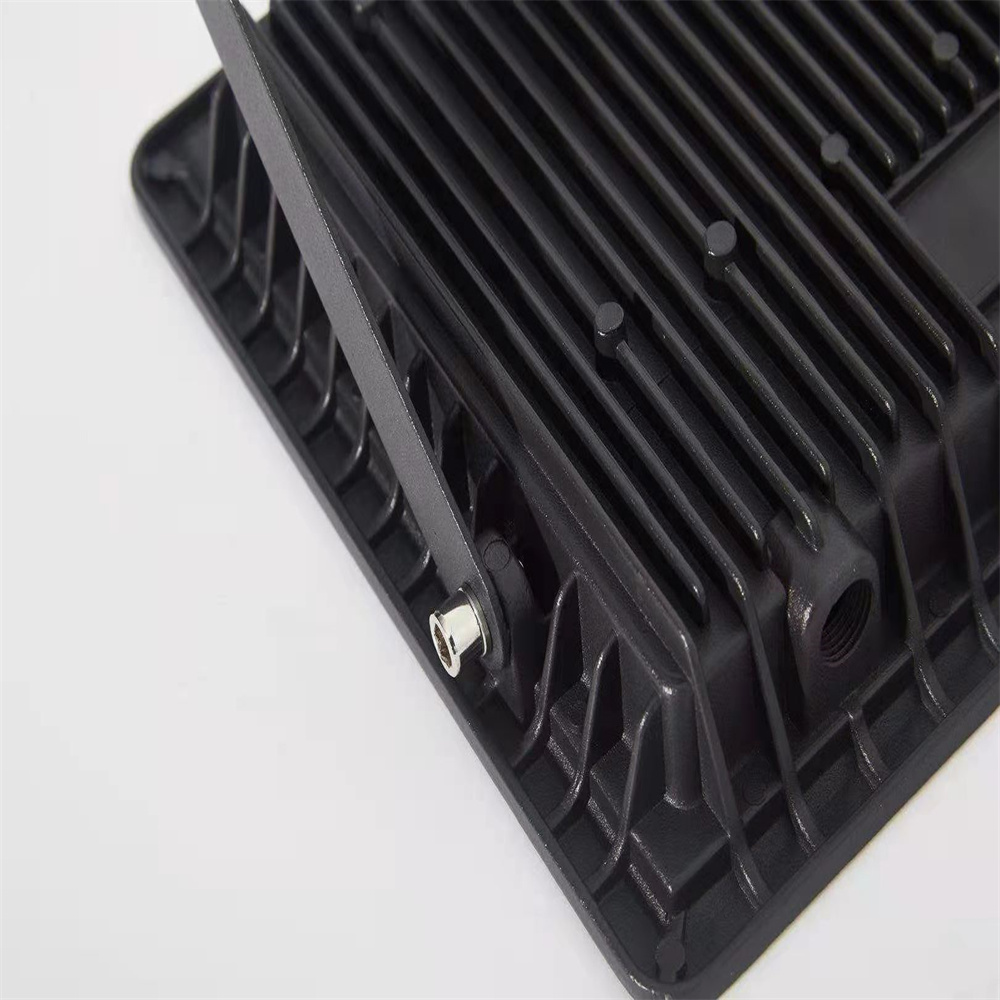
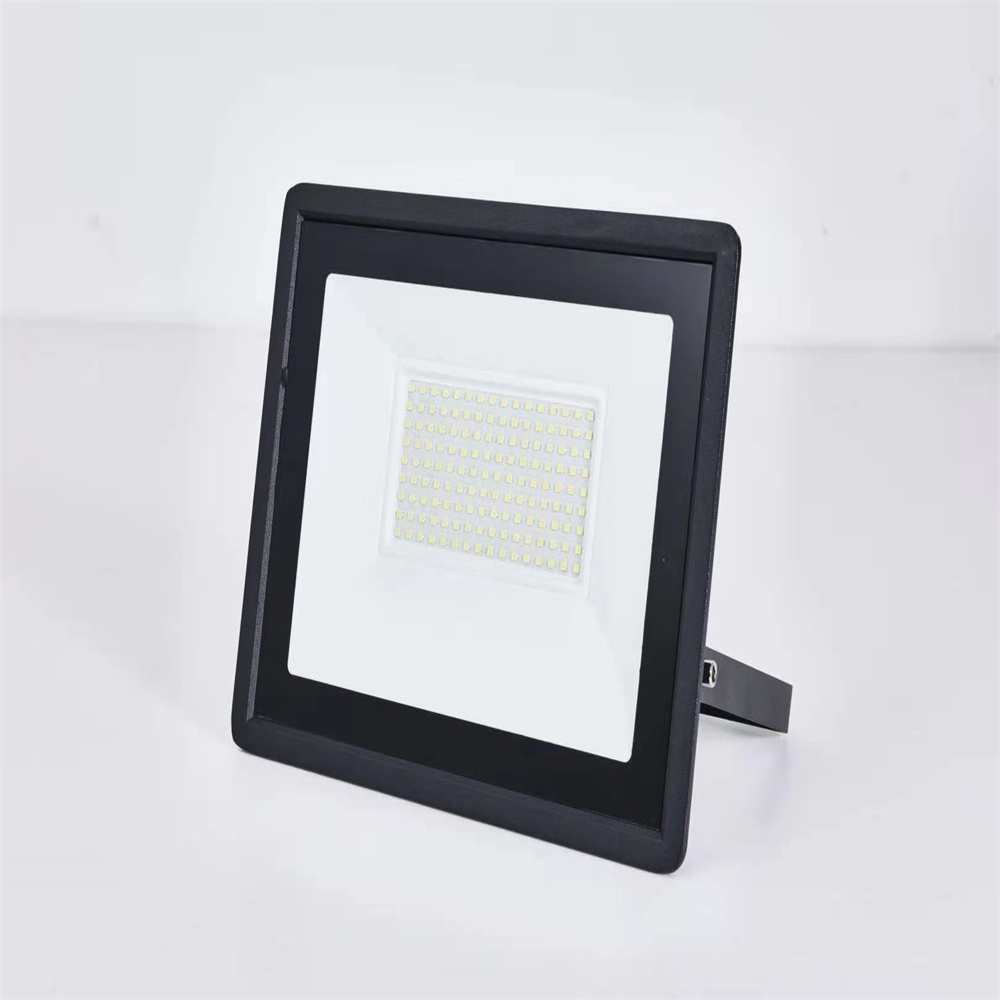
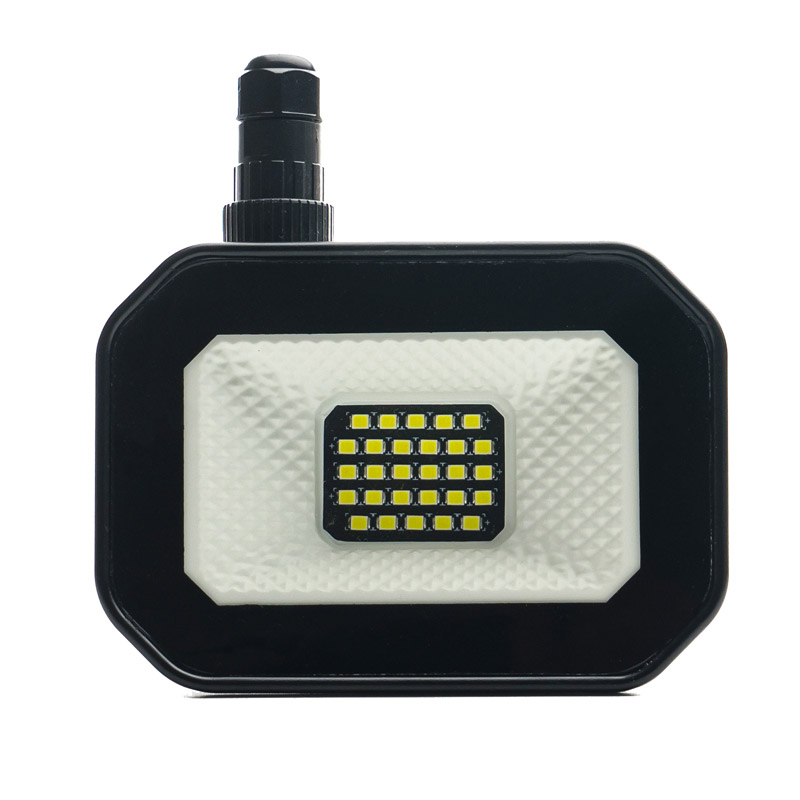
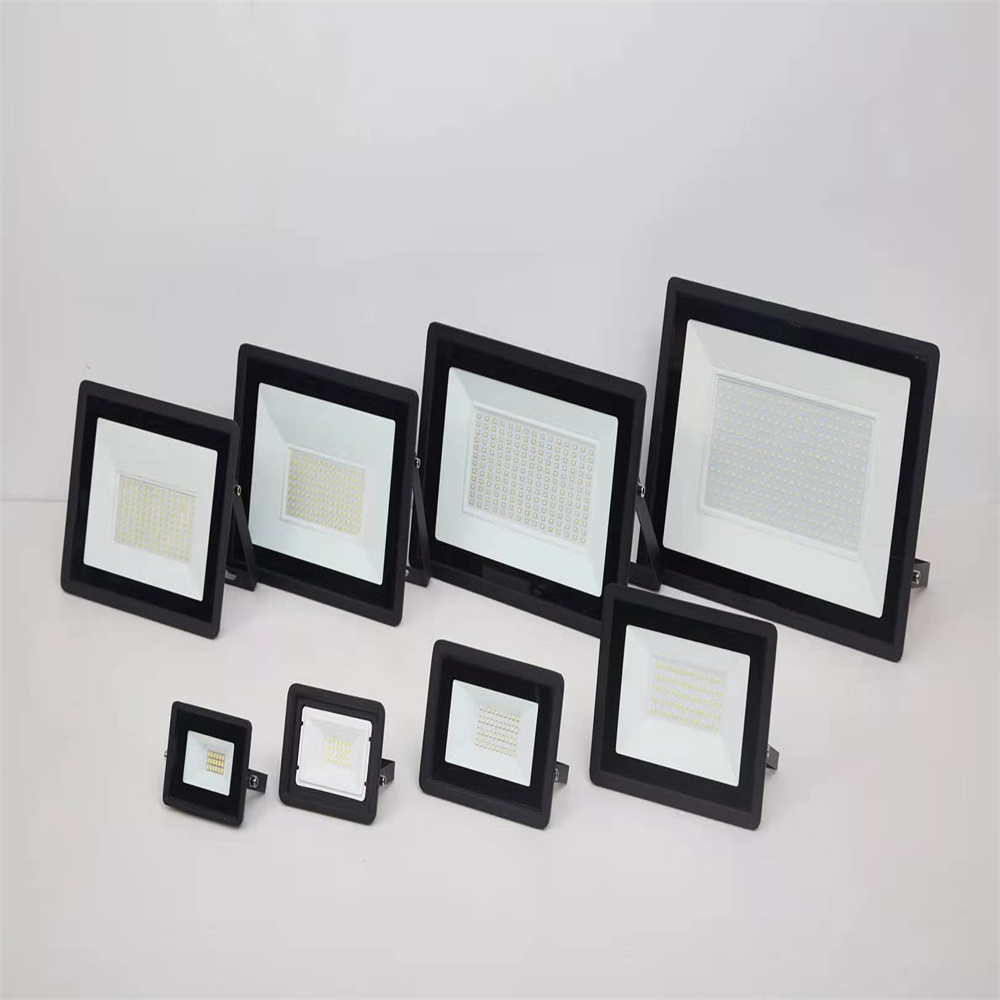
The practical difference between high-power (400W–600W) and standard (100W–200W) LED flood lights is installation height and thermal demand: standard fixtures serve low poles and area lighting, while high-power units serve 15m+ high-mast applications where heat and optics must be engineered far more aggressively. RRR Lighting’s cataloged flood lights run 50W, 100W, 150W, and 200W – solidly in the standard band – and are built with die-cast aluminum housings, finned heat sinks, and breathable membranes for 50,000–100,000-hour life. True 400W–600W high-mast projects should be scoped with RRR’s ODM/engineering team.
How Installation Height Drives Wattage
Light spreads with distance, so higher poles need more output to reach the ground at the same brightness. RRR Lighting’s wattage guidance already places 100W+ fixtures in the tier for stadiums and large commercial yards, while 40–100W covers parking lots and driveways. High-mast installs (15m+) typically require the 400W–600W class to light large footprints from few points.
Thermal Demands: Why 400W–600W Is a Different Problem
Heat scales with wattage. A 200W fixture running continuously already needs real heat sinking; a 400W–600W unit generates two to three times the heat in the same footprint. RRR Lighting manages this in its standard range with a heavy-duty die-cast aluminum housing, finned heat sinks, and a waterproof breathable membrane – the same principles that must be engineered more aggressively at high power. A note: RRR Lighting does not publish a junction-temperature figure (such as a <75°C claim), so for high-power projects request the verified thermal test report rather than assuming a number.
Standard (100W–200W) vs High-Power (400W–600W)
| Attribute | Standard 100W–200W | High-power 400W–600W |
|---|---|---|
| Typical mounting height | Low to mid poles (<10m) | High-mast 15m+ |
| Typical applications | Yards, parking, facades, perimeters | Ports, stadiums, railyards, industrial sites |
| Thermal demand | Moderate; die-cast + fins sufficient | Severe; advanced sink + verified test data |
| Optics | Wide beam, good spread | Controlled long throw, low glare |
| RRR catalog availability | Yes (50/100/150/200W) | Scope via ODM/engineering |
Application Guide: Which Band Do You Need?
- Standard 100W–200W – parking lots, building facades, warehouse yards, billboards, and residential/commercial perimeters. RRR Lighting’s WL71 100W–200W, W78, e WL85 fit here.
- High-power 400W–600W – high-mast, large-area, long-throw installs. Confirm thermal validation, surge protection, and optic with the manufacturer before specifying.
How to Choose and Validate
- Set pole height and target lux for the area.
- Pick the wattage band – standard for low/mid poles, high-power for 15m+.
- Verify thermal design – die-cast aluminum, fins, breathable membrane; request test data for high-power.
- Confirm IP65+ and a stated surge-protection rating.
- Check optics for even ground coverage and low glare.
- Validate supplier – CE/RoHS/FCC/EMC, in-house testing, ODM/OEM (RRR Lighting states all).
Browse the standard range on the LED flood lights category page. Background reading: what wattage is suitable for outdoor LED flood lights, best material for outdoor lighting, e types of LED flood lights.
Frequently Asked Questions
What installation height needs 400W–600W flood lights?
High-mast installations around 15m and above typically use the 400W–600W class to light large footprints from few points. Lower poles usually do fine with 100W–200W fixtures.
Does RRR Lighting sell 400W–600W flood lights?
RRR Lighting’s cataloged flood lights currently run 50W–200W. For 400W–600W high-mast needs, engage RRR’s ODM/engineering team to specify a validated solution.
Why is thermal management harder at high wattage?
Heat scales with wattage; a 400W–600W unit generates two to three times the heat of a 200W fixture in a similar size. Without advanced die-cast aluminum sinks and verified testing, life and output drop quickly.
Is IP65 enough for high-power fixtures?
IP65 (dust-tight, jet-water resistant) is the right floor for outdoor high-power fixtures; use IP66 only in heavy wash-down or splash zones.
How long do RRR’s standard flood lights last?
RRR Lighting states 50,000–100,000 hours for its LED flood lights, supported by die-cast aluminum heat dissipation and a breathable membrane.
What certifications apply to both bands?
CE, RoHS, FCC, and EMC are the compliance marks RRR Lighting lists for its flood lights and apply across the range.