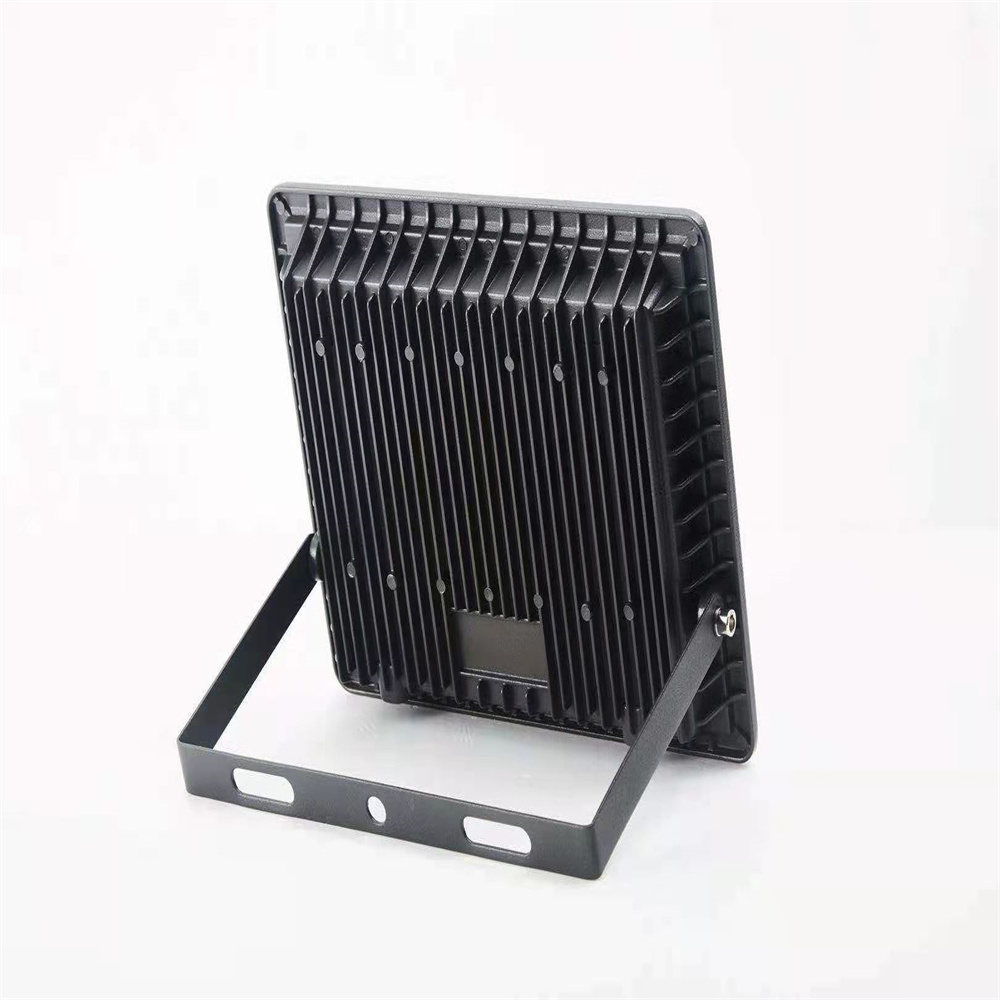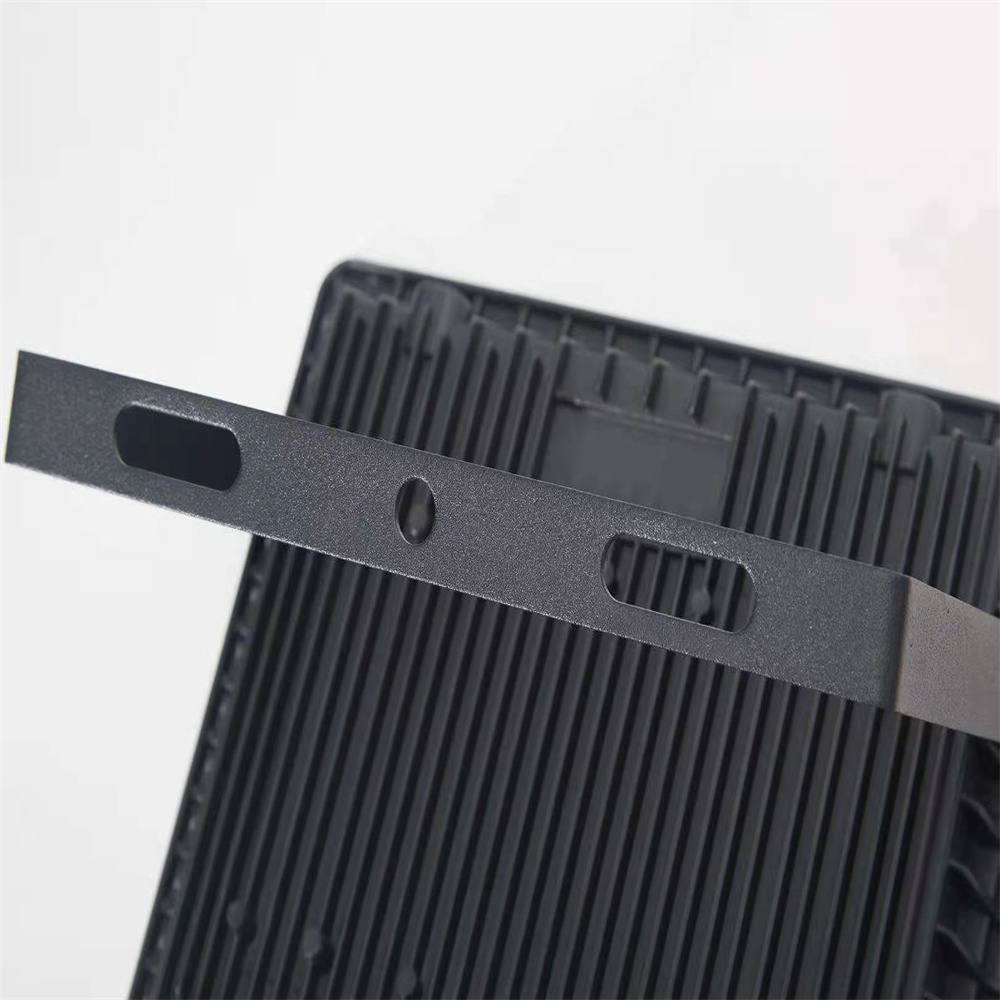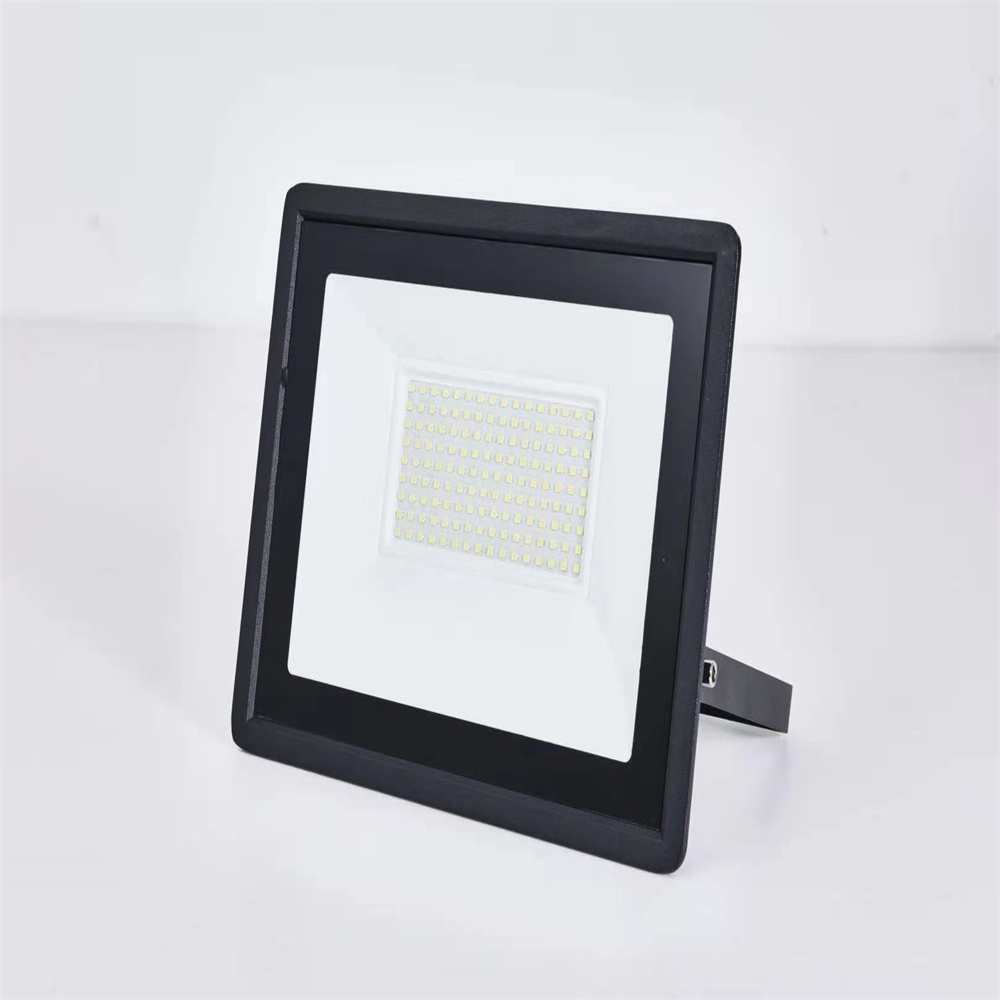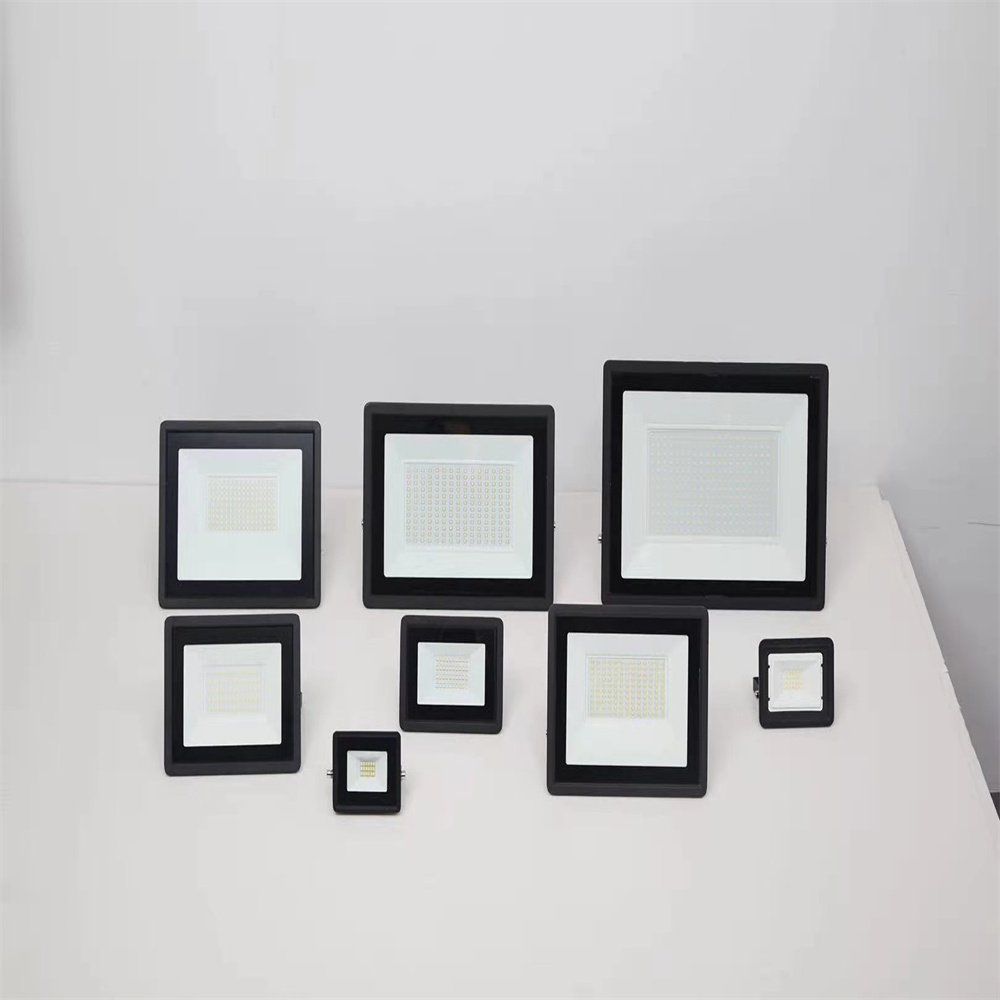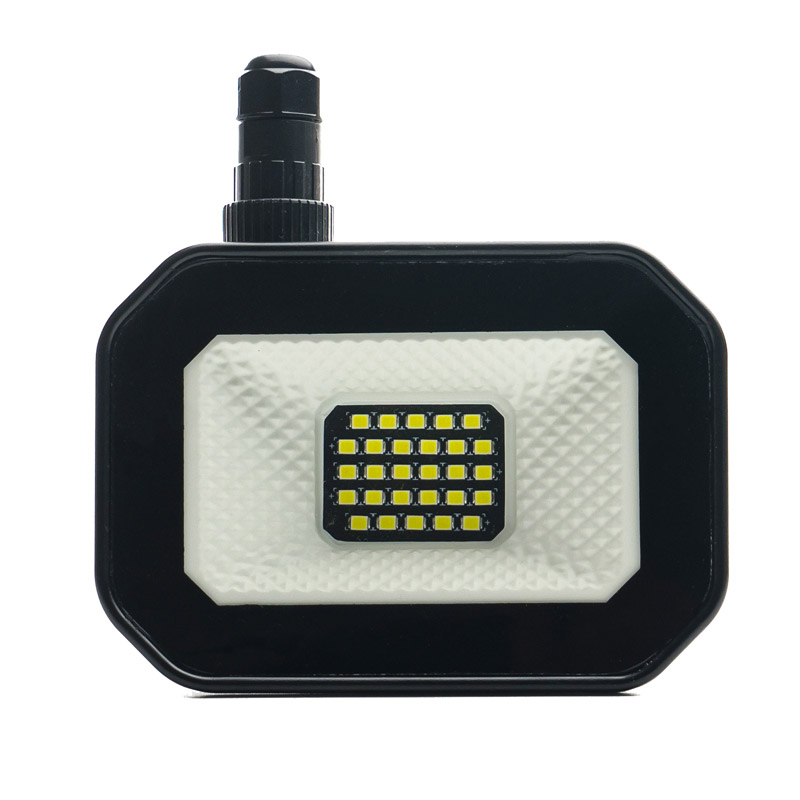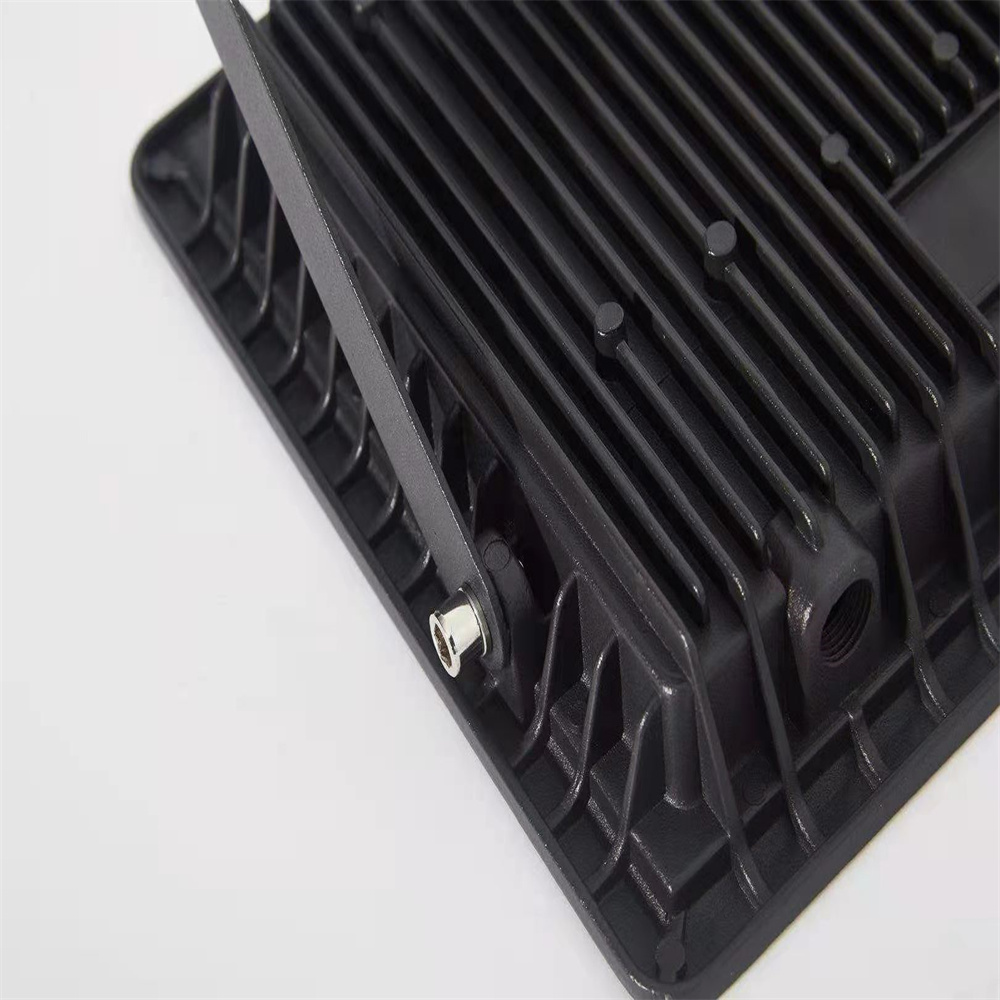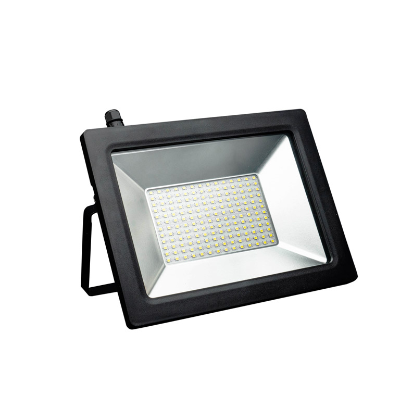
For LED flood lights, the two common housing routes are extruded aluminum (typically 6000-series such as 6063) and die-cast aluminum (commonly ADC12). Die-cast wins on complex shape freedom and sealed, weld-free construction; extruded wins on raw thermal conductivity and density. RRR Lighting builds its flood-light housings from die-cast aluminum, a choice that trades a little […]
For LED flood lights, the two common housing routes are extruded aluminum (typically 6000-series such as 6063) and die-cast aluminum (commonly ADC12). Die-cast wins on complex shape freedom and sealed, weld-free construction; extruded wins on raw thermal conductivity and density. RRR Lighting builds its flood-light housings from die-cast aluminum, a choice that trades a little conductivity for manufacturability, consistent quality, and corrosion resistance. Below is the comparison using published material-reference values – not RRR product test data, which is not separately published.
Why Housing Material Drives Flood-Light Reliability
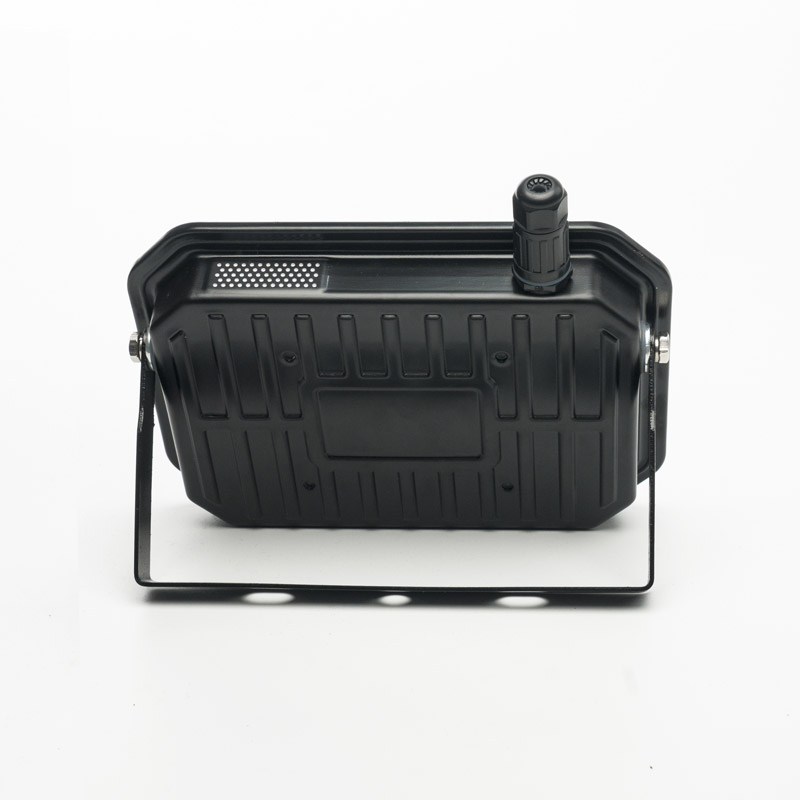
The housing is the heat sink. LED junction temperature follows how fast the housing moves heat to ambient air, and corrosion follows how the material holds up outdoors for years. RRR Lighting’s material guidance notes that its fixtures pair die-cast aluminum housings with ABS or polycarbonate lenses, and that die-cast parts “require less welding and finishing for consistently high quality” while enabling complex geometries. Read more in what material is best for outdoor lighting.
Thermal Conductivity: Extruded Edges Ahead
Thermal conductivity decides how efficiently heat leaves the LEDs. Published reference values for these alloy families:
| Material | Typical thermal conductivity (reference) | Примечание |
|---|---|---|
| Extruded 6063 aluminum | ~200 W/m·K | High conductivity, dense, uniform grain |
| Die-cast ADC12 aluminum | ~90–130 W/m·K | Lower than extruded; varies with casting quality |
| Pure aluminum (baseline) | ~237 W/m·K | Reference only |
These are material-science reference figures for the alloy families, not measurements of a specific RRR fixture. RRR Lighting’s W78 series even notes its anodized reflector offers “higher conductivity” than normal die-casting aluminum with less weight – a sign the brand tunes conductivity where it matters most.
Porosity: The Die-Cast Trade-Off
Die casting can introduce gas porosity – tiny voids from trapped air or shrinkage – which slightly hurts thermal path and, if surface-breaking, corrosion resistance. Extrusion produces a denser, more uniform grain with far less porosity. Modern die casters control porosity with vacuum-assisted molds and strict process windows, which is why die-cast remains the dominant choice for finished outdoor luminaire bodies.
Die / Mold Life and Cost
Die-casting uses steel dies with a finite shot life that wear and need replacement – a front-loaded tooling cost amortized across volume. Extrusion also uses tooling (the extrusion die) but excels at long, simple cross-sections. For a flood light’s complex, hollow, finned body, die casting is usually the more practical route, which is why RRR Lighting standardizes on it.
Durability in the Field
Both alloys resist corrosion when properly finished (anodizing or powder coat). RRR Lighting adds a waterproof breathable membrane and finned heat sinks to its die-cast bodies, pushing stated LED life to 50,000–100,000 hours. The practical durability difference between a well-finished extruded and die-cast housing is small; finishing and sealing matter more than the base alloy.
Which Should You Choose?
- Choose die-cast (like RRR Lighting) when you need complex shapes, sealed weld-free bodies, and consistent high-volume quality.
- Choose extruded when maximum conductivity and a simple, dense cross-section are the priority and shape freedom is less critical.
- In both cases demand IP65+, a breathable membrane, and verified finishing for outdoor life.
Browse RRR Lighting’s die-cast flood lights on the LED flood lights category page, including the W78 series и WL85 commercial lines. For protection ratings, see RRR Lighting’s IP rating guide.
Frequently Asked Questions
Is extruded aluminum better than die-cast for heat?
On raw conductivity, yes – extruded 6063 (~200 W/m·K) beats die-cast ADC12 (~90–130 W/m·K) in published reference values. But finished luminaire cooling also depends on fin design, surface area, and sealing, so a well-engineered die-cast body can perform strongly.
Does die-cast aluminum have porosity problems?
Die casting can introduce gas porosity, but controlled vacuum-assisted processes minimize it. Extrusion is denser with less porosity. Proper finishing closes the real-world gap.
Why does RRR Lighting use die-cast aluminum?
Die casting allows complex, weld-free, consistently high-quality housings and enables the geometries that maximize functional performance. RRR Lighting pairs it with a breathable membrane and finned sinks for long life.
Which is more corrosion resistant outdoors?
Both resist corrosion when anodized or powder-coated. Outdoor durability depends more on the finish and sealing (IP65, breathable membrane) than on extruded-vs-die-cast choice.
What do the conductivity numbers mean for my project?
Higher conductivity moves heat faster, lowering LED temperature and extending life. The ~2x gap between extruded and die-cast reference values is real, but design and finishing usually dominate the final result.
Are these conductivity figures RRR’s test data?
No. They are published reference values for the 6063 and ADC12 alloy families. RRR Lighting does not publish model-specific thermal-test data for its flood lights; request it from the supplier for a specific project.