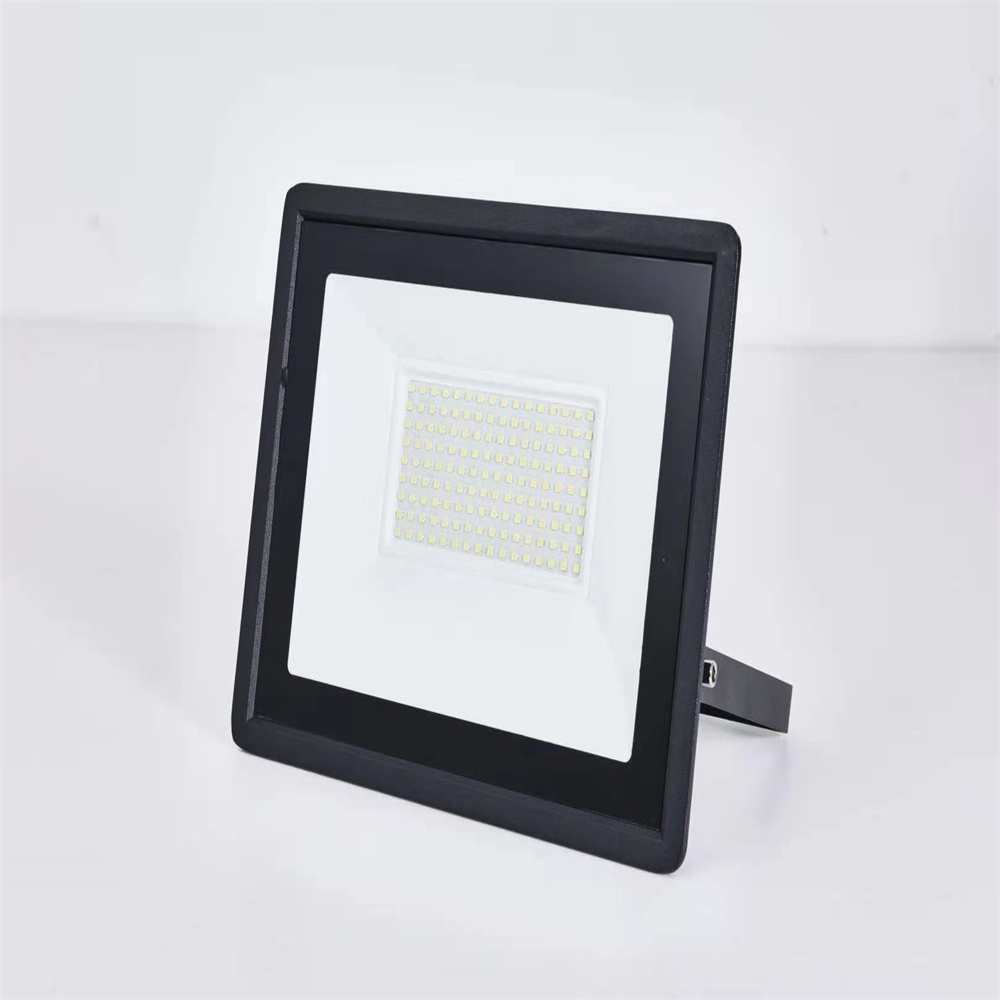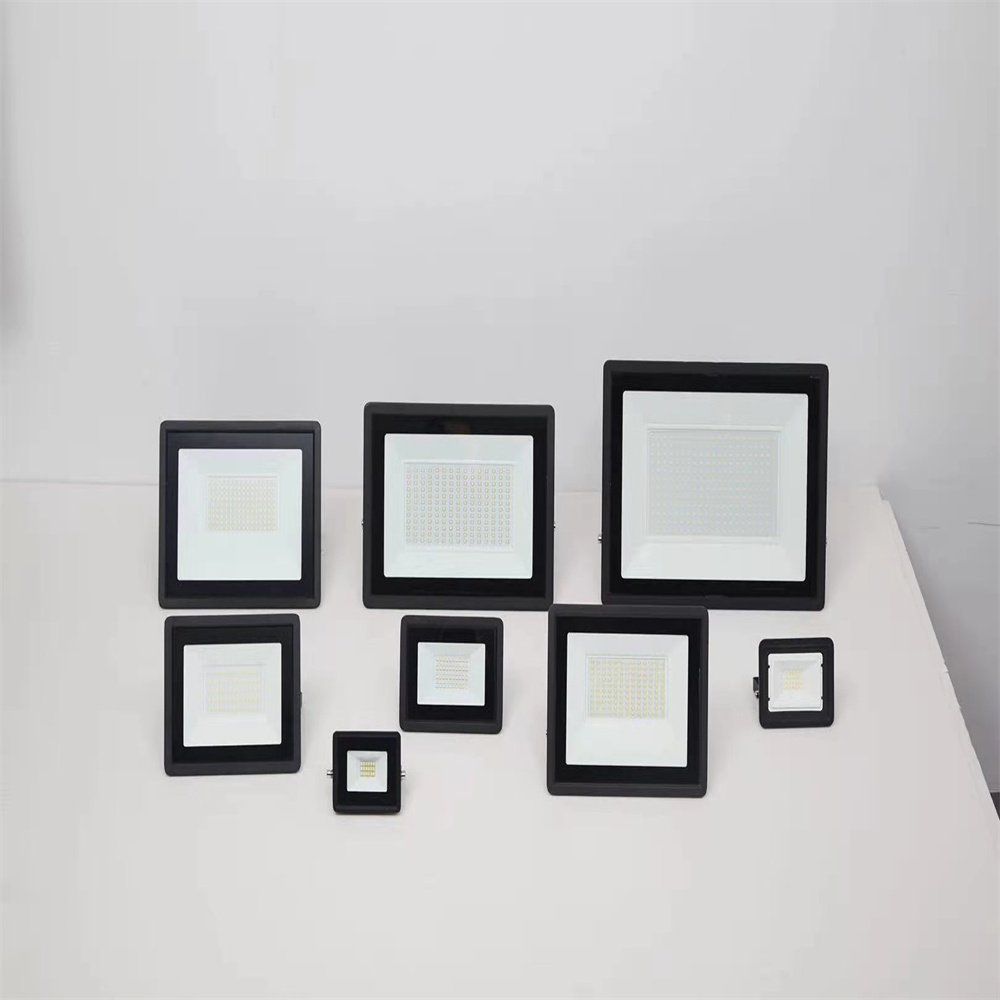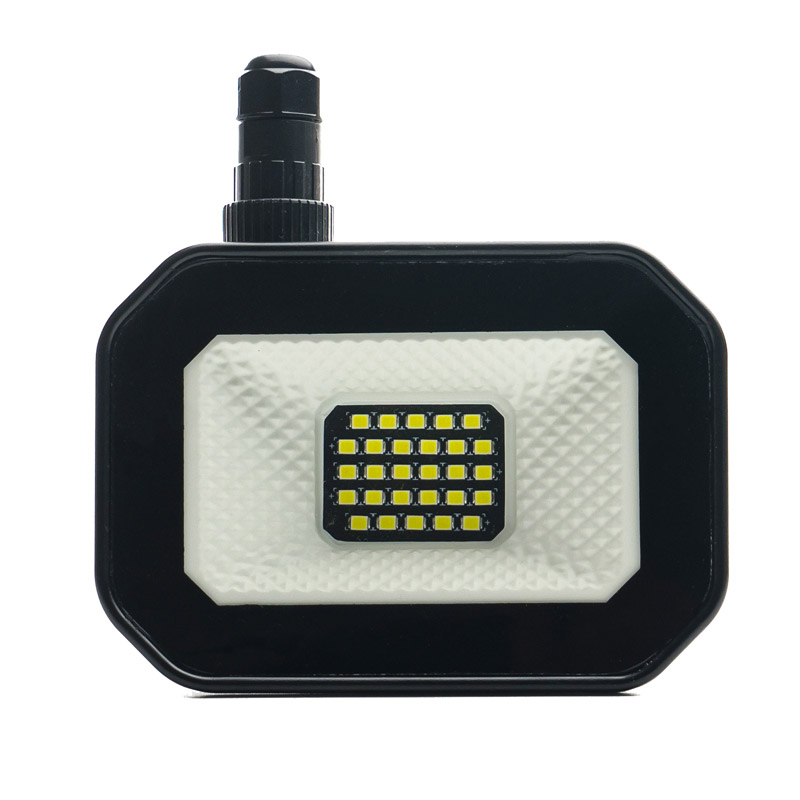
Solar-powered exterior LED lights offer an eco-friendly and cost-effective solution for illuminating outdoor spaces. Such energy-efficient alternatives bring numerous benefits. To ensure optimal performance and longevity, it is essential to incorporate regular maintenance into your routine. Here are some must-know tips for maintaining solar-powered lights. Tips for Maintaining Solar-Powered Lights 1. Clean Solar Panels Regularly The […]
Solar-powered exterior LED lights offer an eco-friendly and cost-effective solution for illuminating outdoor spaces. Such energy-efficient alternatives bring numerous benefits. To ensure optimal performance and longevity, it is essential to incorporate regular maintenance into your routine. Here are some must-know tips for maintaining solar-powered lights.
Tips for Maintaining Solar-Powered Lights
1. Clean Solar Panels Regularly
The solar panels on your lights are crucial for harnessing sunlight and converting it into energy. Over time, dust, dirt, and debris can accumulate on the panels, hindering their efficiency. Regularly clean the solar panels with a soft cloth and a mild cleaning solution to ensure maximum sunlight absorption.
2. Inspect for Obstructions
Ensure that no obstructions are blocking the solar panels’ exposure to sunlight. Trim overgrown vegetation, remove fallen leaves, and clear any debris that might cast shadows on the solar panels. Unobstructed sunlight is vital for efficient energy conversion.
3. Check the Light Fixture
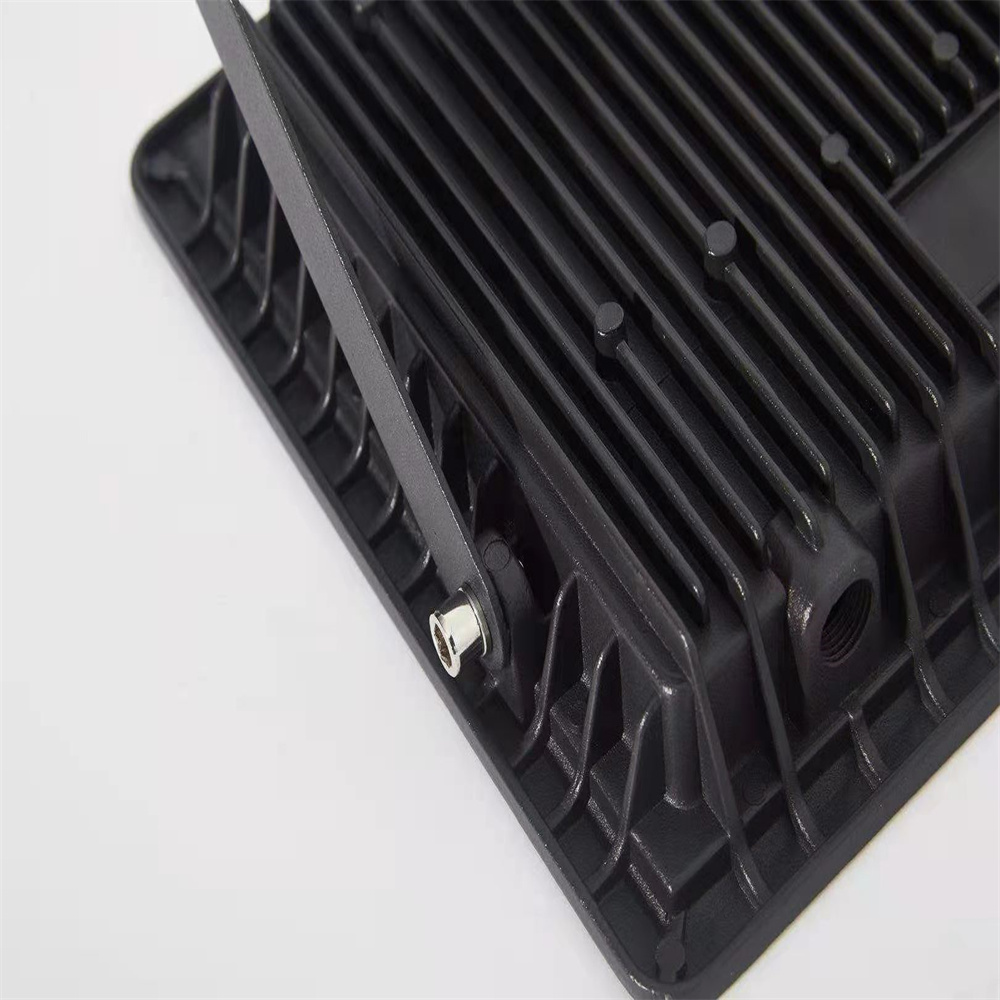
Examine the entire solar system light fixture, including the LED bulbs, solar panel, and battery components. Look for signs of wear, damage, or corrosion. Tighten any loose connections, and if you notice any faulty parts, consider replacing them promptly.
4. Position Lights Strategically
Install solar-powered lights in areas that receive direct sunlight for the majority of the day. Placing lights in shaded locations may limit their ability to charge effectively. Strategic placement ensures optimal exposure to sunlight and, consequently, longer illumination during the night.
5. Replace Rechargeable Batteries
The rechargeable batteries in solar-powered lights have a finite lifespan. When you notice a significant decrease in the duration of illumination, it may indicate the batteries are reaching the end of their life. Replace these batteries with new, compatible ones to maintain the performance of your lights.
6. Check the Switch
Some solar-powered lights come with manual on/off switches. Ensure that the switch is in the correct position for the lights to function. If your lights are not turning on, double-check the switch before troubleshooting further.
7. Verify the Solar Panel Connection
The connection between the solar panel and the light fixture is critical for proper functionality. Ensure that the solar panel is securely connected, and there are no loose wires. A stable connection guarantees the efficient transfer of solar energy to power the lights.
8. Perform Regular Functionality Tests
Conduct periodic functionality tests to ensure that your solar-powered lights are working correctly. This includes testing the on/off switch, checking the brightness of the LED bulbs, and confirming that the lights turn on automatically at dusk.
9. Consider Weather Conditions
Solar-powered lights are designed to withstand various weather conditions, but extreme events can impact their performance. During severe weather, such as storms or heavy snowfall, temporarily relocate lights to protect them from potential damage.
10. Refer to the User Manual
Each solar-powered light model may have specific maintenance instructions and troubleshooting tips. Refer to the user manual provided by the manufacturer for guidance on proper care, maintenance, and any model-specific considerations.
Conclusion
By incorporating these maintenance tips into your routine, you can ensure that your solar-powered lights consistently provide reliable and energy-efficient illumination. From LED lights that use solar power to light fixtures, proper care and attention will extend the lifespan of your lights and contribute to a sustainable and well-lit outdoor environment.