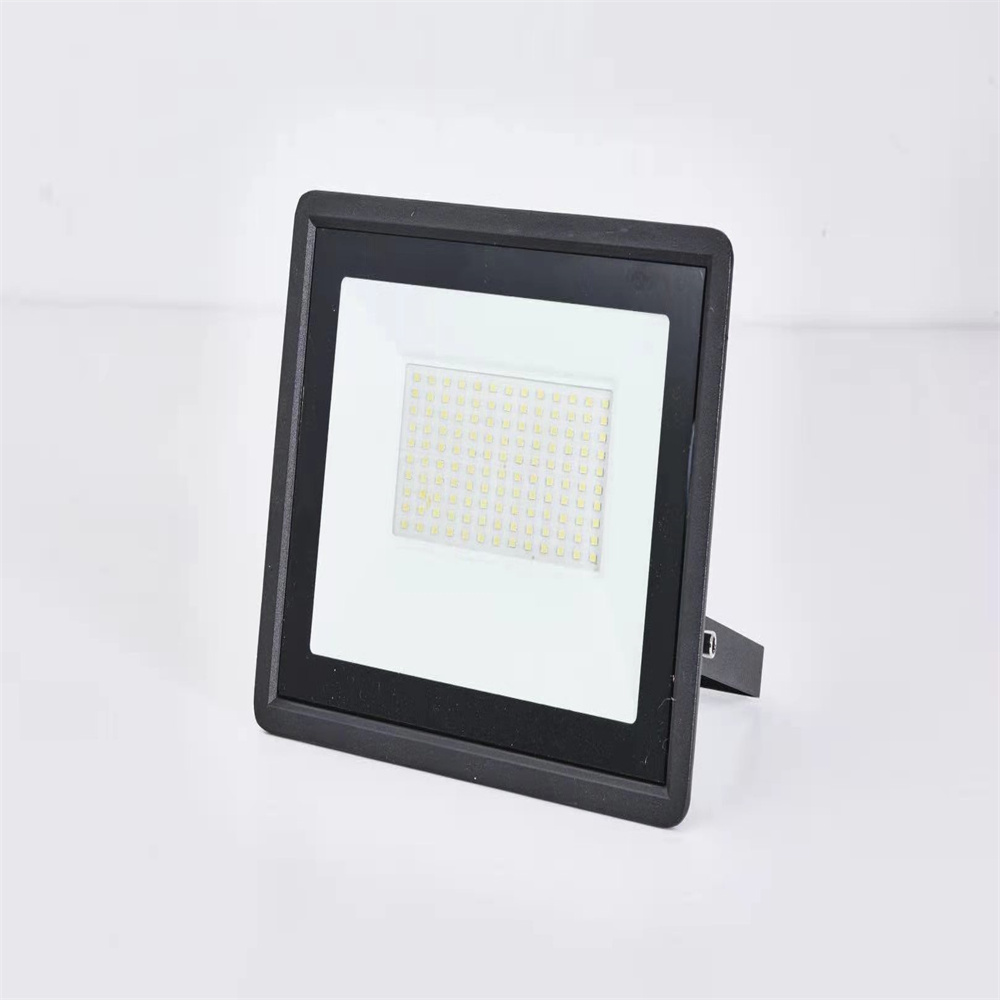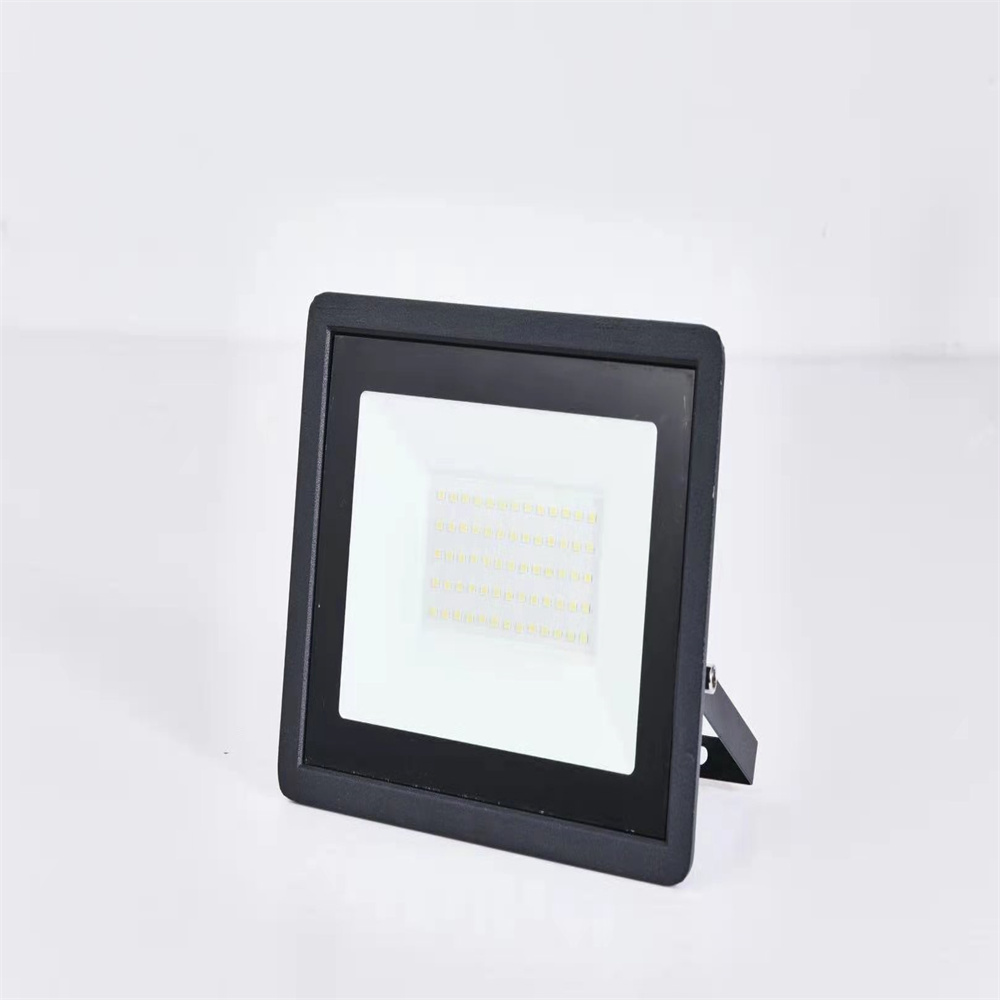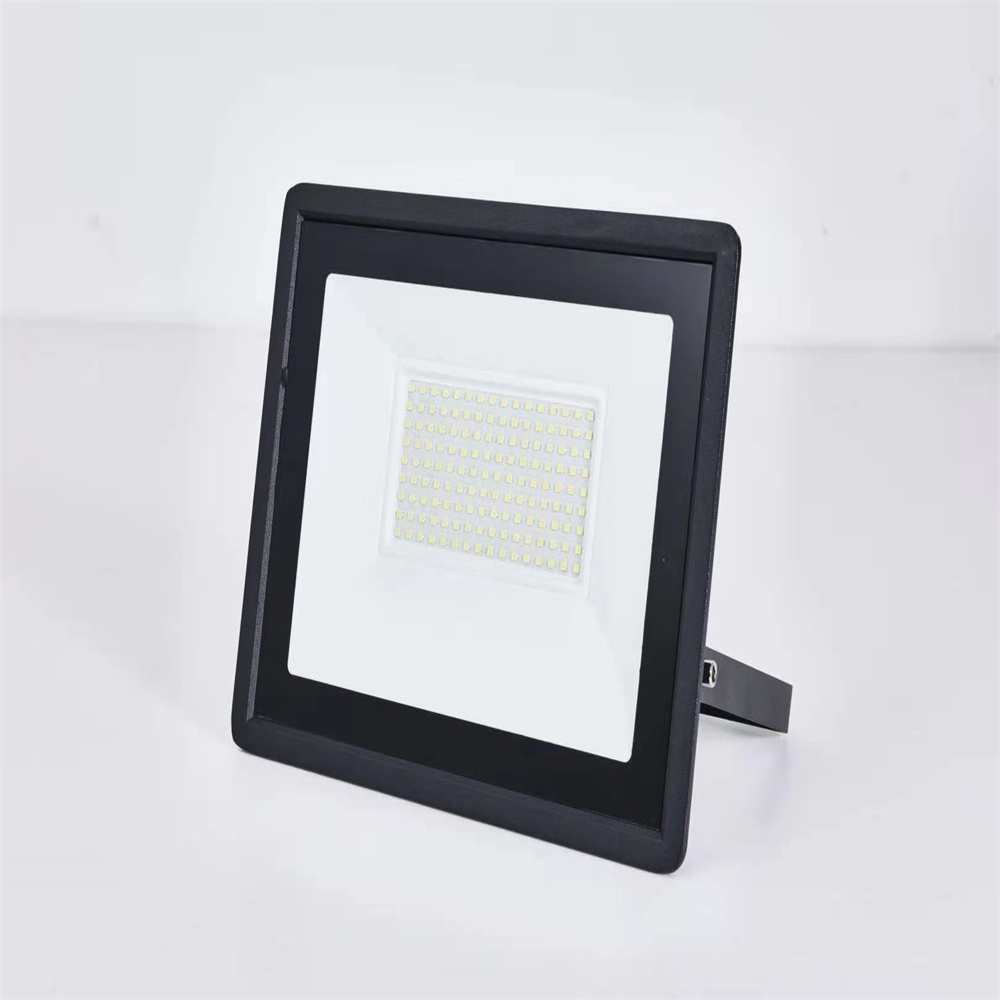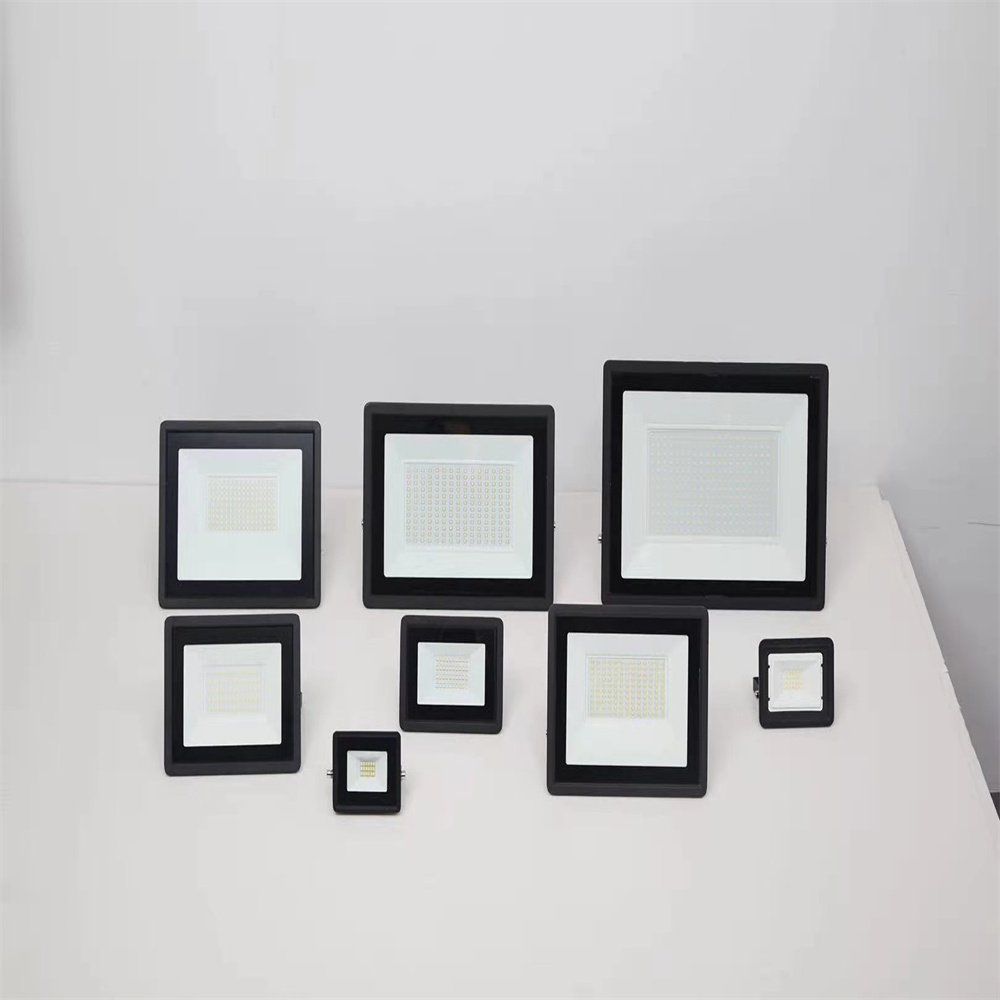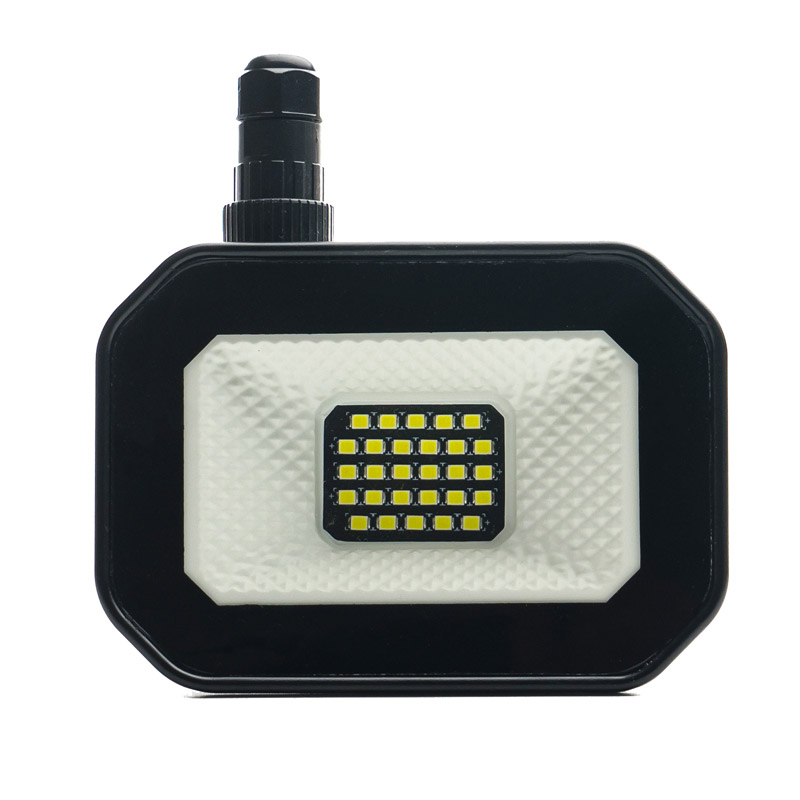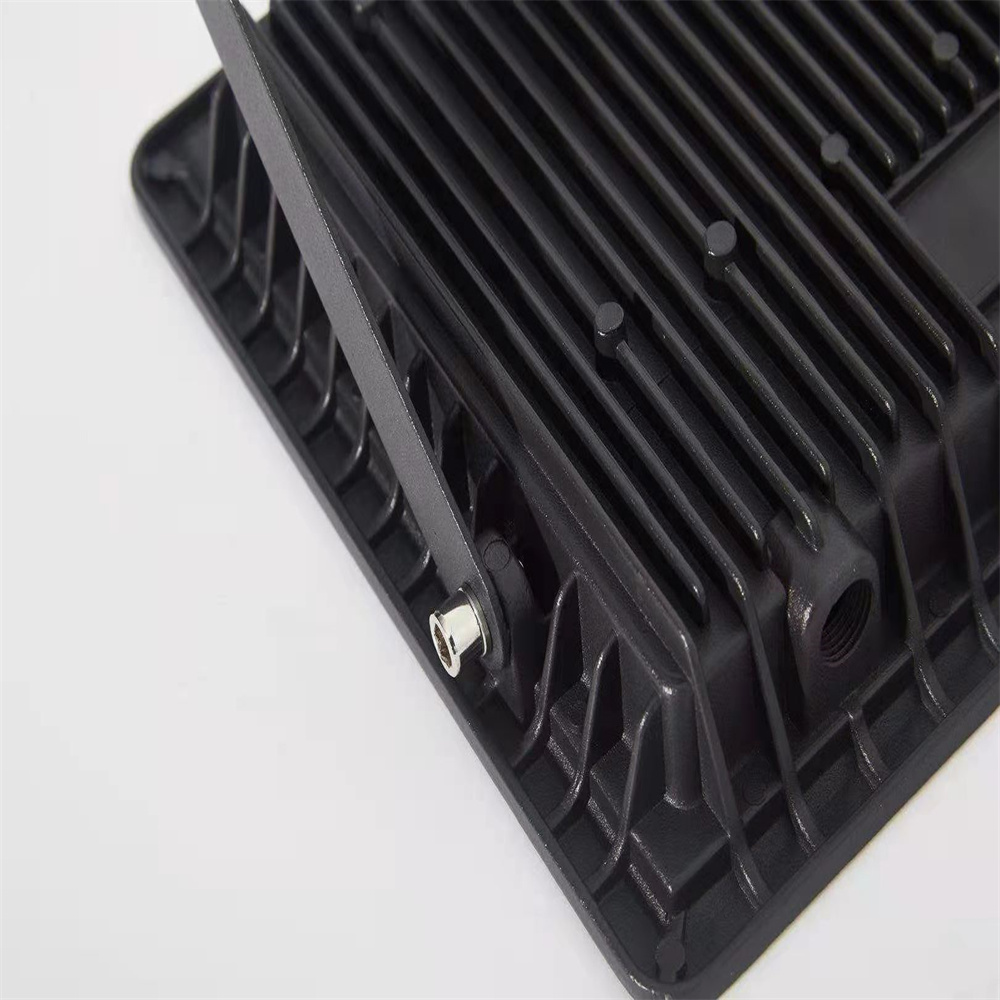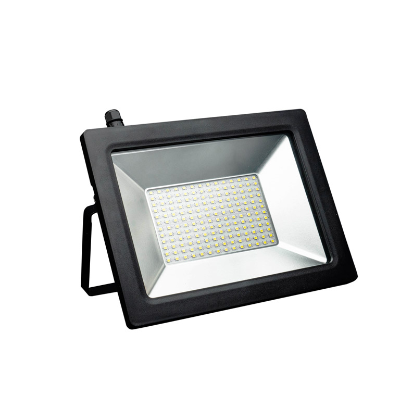
Select LED flood lights for billboards, signage, and storefront facades by prioritizing beam control, color rendering, and a weather-resistant finish – then matching wattage and color temperature to the surface and viewing distance. The goal is even, glare-free illumination of the sign with no light spilling onto neighbors or the night sky. RRR Lighting’s W78 […]
Select LED flood lights for billboards, signage, and storefront facades by prioritizing beam control, color rendering, and a weather-resistant finish – then matching wattage and color temperature to the surface and viewing distance. The goal is even, glare-free illumination of the sign with no light spilling onto neighbors or the night sky. RRR Lighting’s W78 series is explicitly built for billboards and building facades, and its WL85 commercial line offers weather-resistant, customizable coatings ideal for storefronts.
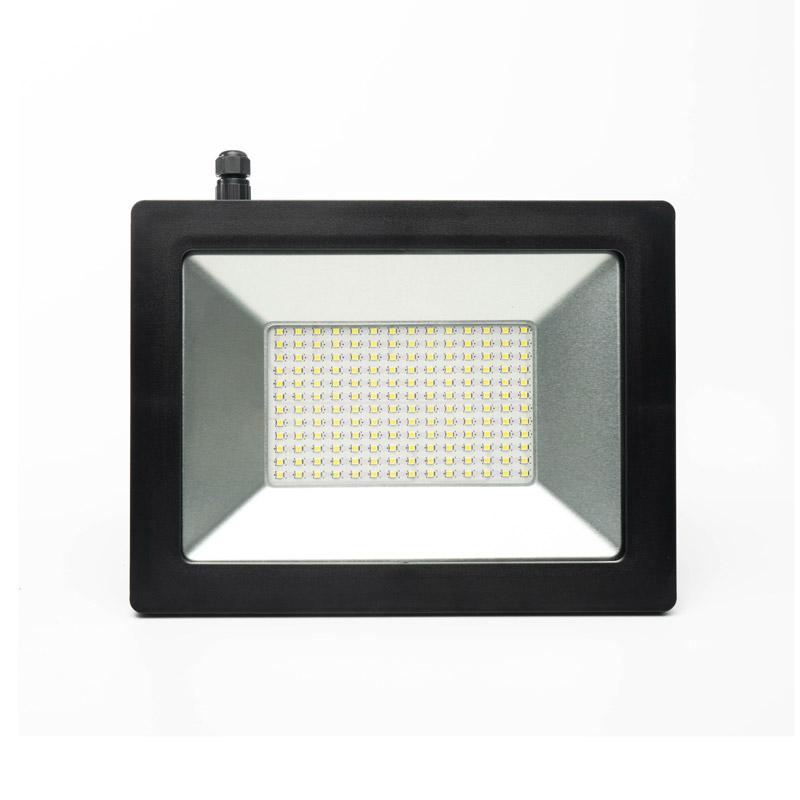
Why Billboard and Facade Lighting Is Different
A billboard or storefront is a flat, often vertical surface you must light uniformly from a distance. Unlike area lighting, the risks are:
- Light spill (trespass) – wasted light hitting adjacent properties or the sky.
- Hot spots and dark patches – uneven “光斑” that make signage look broken.
- Color distortion – poor color rendering that changes brand colors.
- Finish fade – coastal or sunny sites that chew through cheap coatings.
How Do You Control Beam Angle to Avoid Spill?
Beam angle decides where the light lands. For a billboard, you want a beam tight enough to cover the face without throwing light past its edges. RRR Lighting’s flood lights use a wide beam angle suited to broad coverage, and the W78 series is engineered to “precisely control the light,” which is exactly what signage lighting needs. Pair a controlled optic with correct fixture spacing and aim so the lit rectangle matches the sign rectangle.
What Color Rendering (CRI) Should You Specify?
CRI measures how accurately a light reveals object and brand colors versus natural light. For signage and storefronts where color fidelity sells, specify a high CRI (commonly 80+ as a baseline, 90+ for premium brand-color accuracy). RRR Lighting does not publish a single CRI figure across its flood-light range, so confirm the exact rating for the specific model you select – treat CRI as a verify-before-you-buy line item rather than an assumption.
Which Color Temperature Reads Best on a Facade?
For architectural highlight and signage, cool white (4500–5000K) creates the stark contrast that makes details pop against the night, per RRR Lighting’s color-temperature guidance. Warm white (2700–3000K) suits hospitality storefronts where ambiance matters more than punch. Full detail: RRR Lighting’s color temperature guide.
Why Does a Weather-Resistant Coating Matter?
Storefront and facade fixtures are mounted low and exposed. RRR Lighting’s WL85 commercial LED flood lights come in corrosion-resistant finishes – including aluminum and stainless-look options – plus white and gray weather-resistant coatings, and can be customized to company colors. A durable powder coat or anodized finish resists UV fade and salt spray far better than bare metal.
What Wattage and IP Rating Do Facade Jobs Need?
Billboards and facades are usually lit from a modest distance, so you rarely need the highest wattages – RRR Lighting’s 50W–200W range (see the LED flood lights category page) covers most signage. Keep IP65 as the floor for outdoor use; step to IP66 only in wash-down or coastal splash zones. Read the rationale in RRR Lighting’s IP rating guide.
Step-by-Step: Selecting Signage and Facade Flood Lights
- Measure the sign face and the fixture-to-surface distance.
- Choose beam spread so the lit area matches the sign (W78 for precise control).
- Set color temperature – cool 4500–5000K for punch, warm for ambiance.
- Confirm CRI with the manufacturer for brand-color accuracy.
- Pick a weather-resistant finish (WL85 coatings; customize if needed).
- Specify IP65+ and CE/RoHS/FCC/EMC compliance.
- Aim and space fixtures to eliminate hot spots and spill.
Which RRR Lighting Fixtures Fit These Jobs?
- WL78 series outdoor LED floodlight – listed for buildings, parks, billboards, and sculptures; anodized-aluminum reflector, precise light control.
- WL85 commercial LED flood lights – weather-resistant, corrosion-resistant, customizable finishes for storefronts.
- WL71 100W–200W LED flood light – flexible workhorse for mid-size signs.
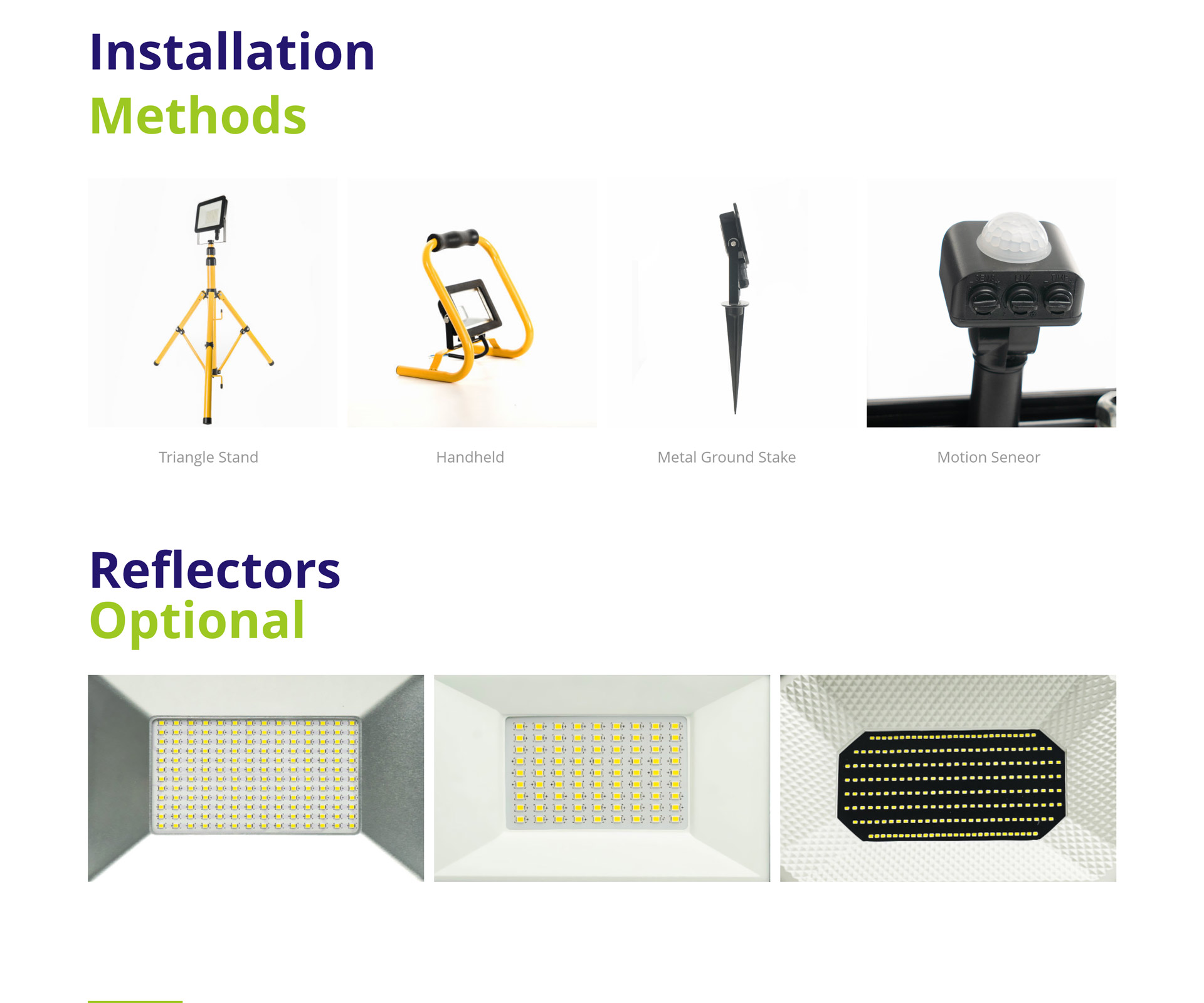
For broader context, see types of LED flood lights and outdoor LED flood light installation options.
Frequently Asked Questions
Which RRR flood light is best for a billboard?
The WL78 series is explicitly suited to billboards and building facades, with an anodized-aluminum reflector and precise light control to keep illumination even and contained.
What beam angle should I use for signage?
Use a beam that covers the sign face without overshooting its edges. RRR Lighting’s flood lights use a wide beam for broad coverage, and the W78’s precise control helps avoid spill onto neighboring property.
What CRI do I need for accurate brand colors?
Specify 80+ as a baseline and 90+ for premium brand-color fidelity. RRR Lighting does not publish a single CRI across its range, so confirm the figure for the exact model.
What finish resists fading on a storefront?
Choose a weather-resistant coating or anodized/powder-coat finish. RRR Lighting’s WL85 offers corrosion-resistant finishes (aluminum, stainless-look) and customizable colors.
Is IP65 enough for a facade light?
Yes, IP65 (dust-tight, jet-water resistant) is sufficient for most facade and signage mounts; use IP66 only in heavy wash-down or splash zones.
Should facade lighting be warm or cool?
Use cool white (4500–5000K) for architectural punch and detail; use warm white (2700–3000K) for hospitality storefronts where ambiance leads. RRR Lighting offers the full Kelvin range.