Explore the advantages of LED street lights in terms of energy efficiency, light quality, and long-term cost savings compared to traditional lighting solutions.
The amount of lumens required for a street light depends on various factors, but let us first discover what a lumen is.
A lumen is a foundational unit of measurement in the field of illumination and lighting; it plays a vital role in computing the amount of apparent light emitted by an origin or falling onto a surface.
One of the factors that compute the number of lumens needed for one street light is the use and the area; for example, for domestic locations, the average range is 3000 to 5000 lumens. For highways and roadways, the moderate content is 6400 to 18000 lumens. LED street light fixtures can have a maximum capacity of 6400 lumens and input 150 watts. For 50-watt LED lights, the lumen count ranges from 5000 to 10091 lumens. It is vital to note that LED street light manufacturers manufacture lights that are best suited to specific areas and situations.
WHAT IS AN LED STREET LIGHT?
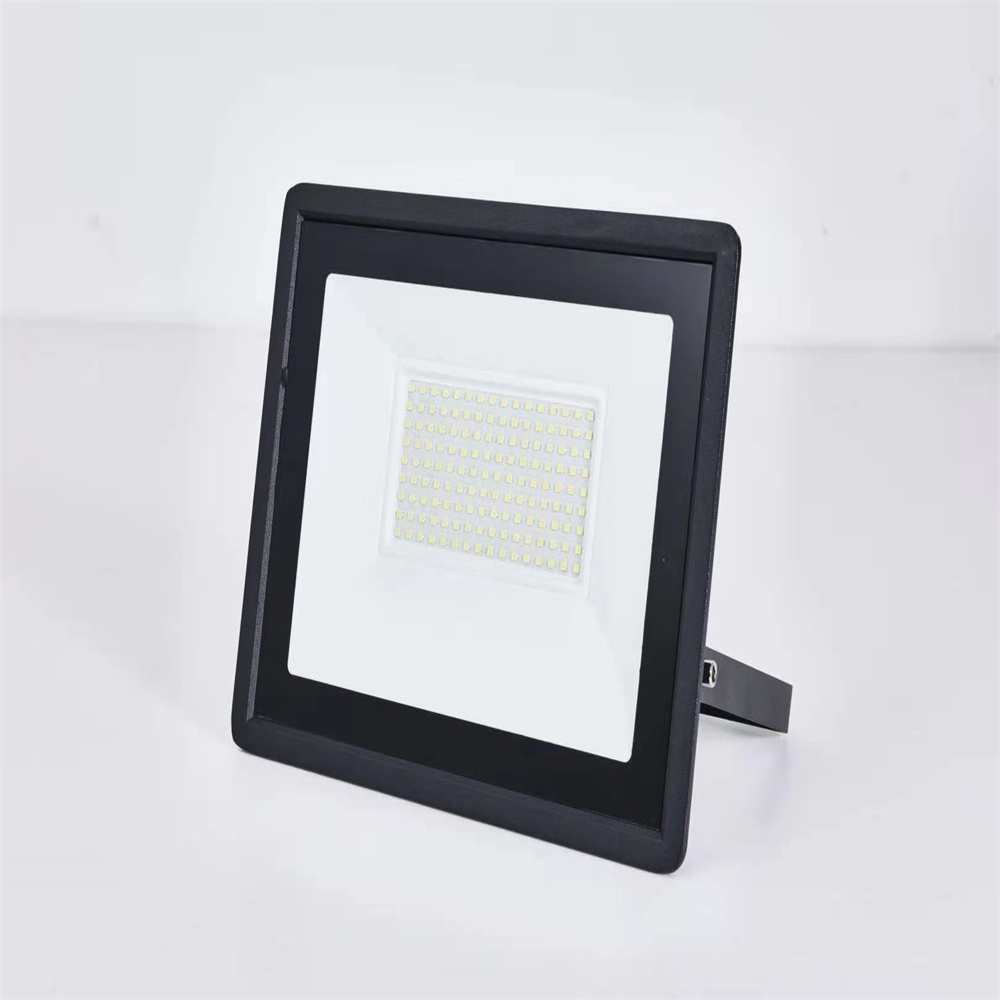
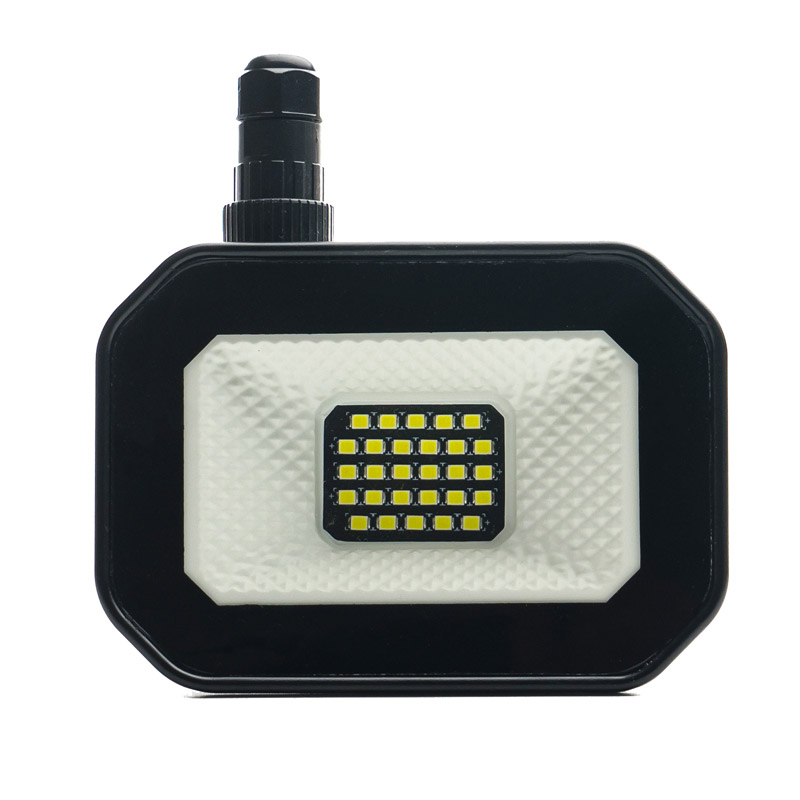
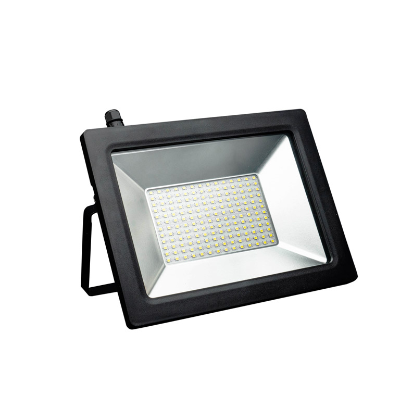
LED denotes “light emitting diode”; some manufacturers call it LED road lighting fixtures. These street lights provide 30% to 70% energy savings, and LED lights tend to work for decades without maintenance. It is a semiconductor device that releases light when current passes through it. LED lights are more energy-saving and efficient than traditional street lighting technologies.
HOW MANY LUMENS DO YOU NEED FOR A STREET LIGHT?
There are several factors on which the number of lumens required depends, some of which are:
- Type of street and purpose- the street type and the purpose play a vital role in determining the number of required lumens.
- Traffic speed and volume- the amount of speed and traffic on the street also affect the lighting requirements.
As an educated guess for domestic locations, the average range is 5000 to 7000 lumens per light. The content could vary from 10,000 to 30,000 lumens for busy roads and highways, depending on the requirement. In the case of solar LED streetlights, the number of lumens can range from 120 to 180 in the case of lamp posts, and for more significant areas such as stadiums and parking lots, the number can range from 600 to 1200.
LED STREET LIGHTS VS. TRADITIONAL STREET LIGHTS
Led street lights and traditional street lights (generally high-pressure sodium or metal halide lights) have major differences, and each has advantages and disadvantages. Here are a few differences listed based on various factors:
- Energy efficacy:
- LEDs- LEDs are hugely energy-efficient. They consume remarkably less energy than high-pressure sodium lights, lowering electricity bills.
- Traditional street lights- conventional street lights are less energy efficient and consume way more electricity to produce the same amount of sunshine.
- Quality of light:
- LEDs- LED lights give a better and more uniform distribution of light and color, improving streets’ security and visibility.
- Traditional street lights- traditional street lights generally have poor color, which produces uneven illumination, which is a less effective street light
- Costing:
- LEDs- LED fixtures are more expensive, but their longer lifespan and energy savings frequently result in a lower total cost of ownership over time.
- Traditional street lights- traditional lights often have a lower essential purchase cost but can often have higher operating and maintenance costs because of their higher energy consumption and short lifespan.