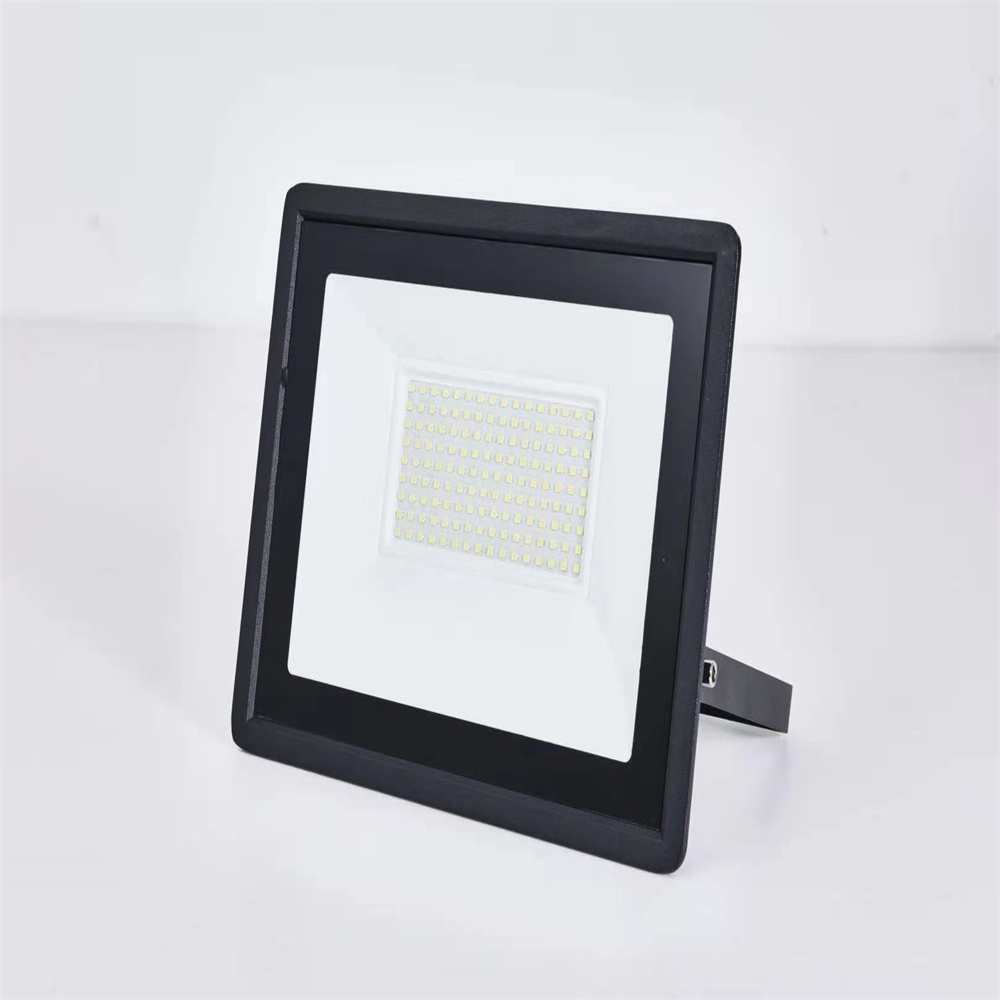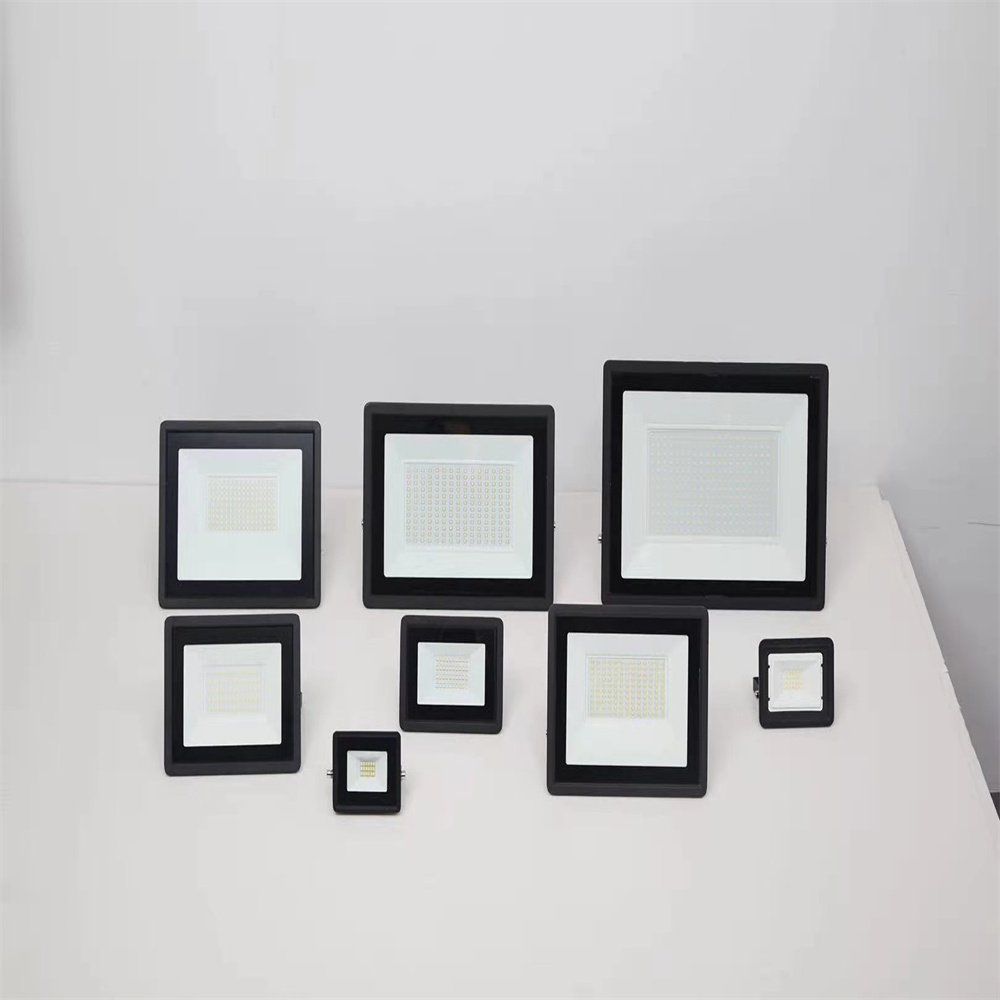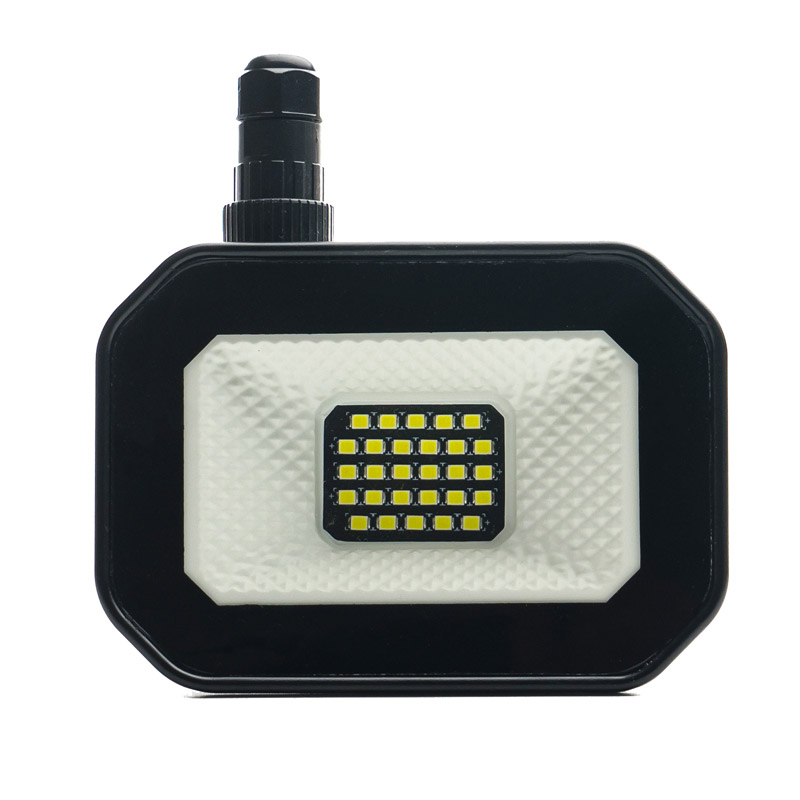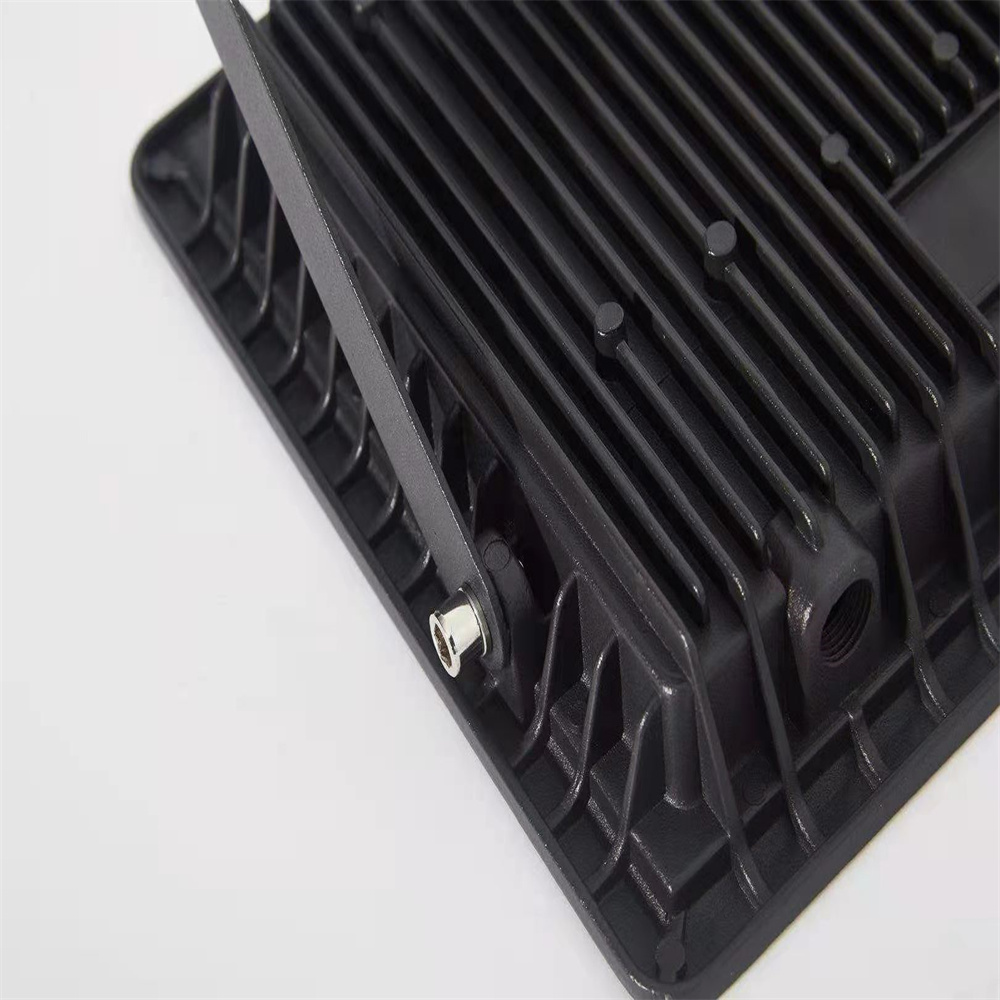
LED high bay lights have gained immense popularity for their energy efficiency, longevity, cost efficiency, and superior illumination. It’s now widely used in industrial and commercial spaces with high ceilings, such as warehouses, factories, and gymnasiums. How do you install and maintain LED high bay lighting? You’ll find the information below: How to Install How […]
LED high bay lights have gained immense popularity for their energy efficiency, longevity, cost efficiency, and superior illumination. It’s now widely used in industrial and commercial spaces with high ceilings, such as warehouses, factories, and gymnasiums.
How do you install and maintain LED high bay lighting? You’ll find the information below:
How to Install How to Install and Maintain Led High Bay Lights
1.Assess the Space
Before starting the installation process, take note of the ceiling height, layout, and any potential obstructions. This information will help you determine the appropriate placement and number of fixtures needed for uniform lighting.
2.Turn Off Power
Before beginning the installation, turn off the power to the area where the lights will be installed. Identify the circuit breaker that controls the lighting and switch it off to avoid any electrical hazards.
3.Choose Mounting Method
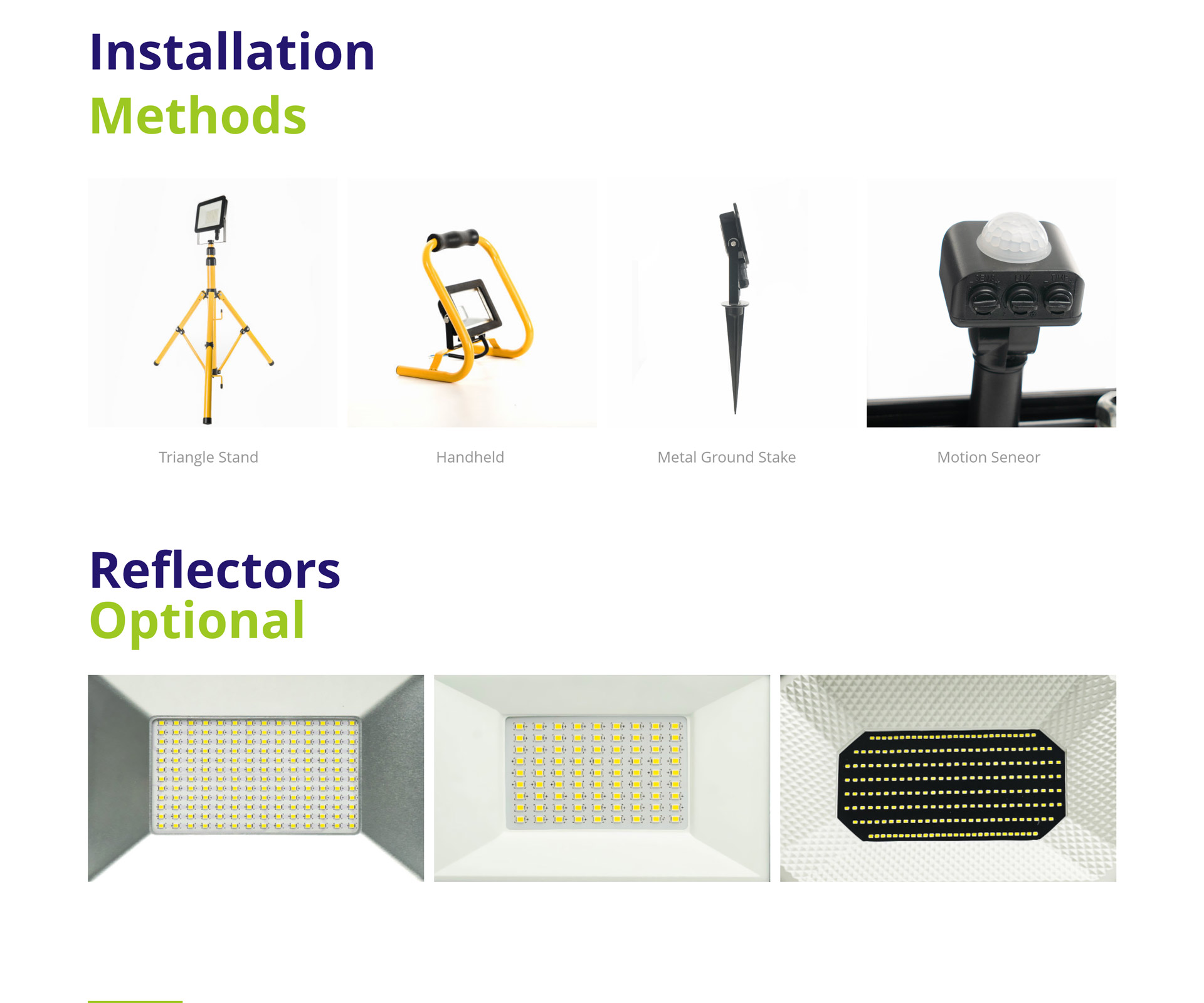
LED high bay lights can be mounted in various ways, including pendant mounting, surface mounting, and chain mounting. Choose the method that best suits your space and ceiling type. Ensure that the mounting method is compatible with the specific fixtures you have.
4.Install Mounting Hardware
Follow the manufacturer’s instructions to install the mounting hardware securely. Use appropriate tools and equipment to fasten the fixtures to the ceiling. Ensure that the mounting is stable and capable of supporting the weight of the LED high bay lights.
5.Connect Wiring
Carefully connect the wiring according to the wiring diagram provided by the manufacturer. Double-check the connections to ensure they are secure and accurate. If you are unsure about the wiring, consult a qualified electrician for assistance.
6.Secure LED High Bay Fixtures
Once the wiring is complete, secure the LED high bay fixtures to the mounting hardware. Ensure that they are evenly spaced for uniform lighting. Tighten all fasteners to prevent any movement or vibration that could affect the stability of the lights.
7.Test the Lights
Before restoring power to the area, test the LED high bay lights to ensure they are functioning correctly. This step helps identify any issues before the lights are fully installed and minimizes the need for troubleshooting later.
The Maintenance Tips of Led High Bay
Regular Cleaning
Dust and debris can accumulate on the surface of LED high bay lights over time, reducing their efficiency. Regularly clean the fixtures with a soft, dry cloth to remove any dirt. For hard-to-reach areas, use a gentle cleaning solution and a non-abrasive sponge.
Inspection of Damage
Periodically inspect the fixtures for any signs of damage, such as cracked lenses or dented housings. Replace damaged components promptly to maintain the performance and longevity of the LED high bay lights.
Checking of Loose Connections
As part of routine maintenance, check for any loose wiring connections. Tighten any screws or terminals that may have become loose over time. Loose connections can lead to flickering lights or, in worst cases, electrical hazards.
LED High Bay Lighting That Lasts
By following these installation and maintenance guidelines, you can enjoy your LED high bay lighting for a long time. Regular upkeep not only enhances the longevity of the fixtures but also ensures a safe and well-lit environment for optimal productivity.
If you need premium LED high bay lighting, contact us today!