Looking for a practical guide on Solar LED Street Lights? Today, we’re diving into the types, advantages, and real-world insights of solar LED street lighting. No jargon, just straightforward info on how these solar marvels are transforming communities. Ready to light up your understanding? Let’s dive in. Types of LED Solar Street Lights Choosing the […]
Looking for a practical guide on Solar LED Street Lights?
Today, we’re diving into the types, advantages, and real-world insights of solar LED street lighting.
No jargon, just straightforward info on how these solar marvels are transforming communities.
Ready to light up your understanding? Let’s dive in.
Types of LED Solar Street Lights
Choosing the right type of LED solar street light depends on factors like installation area, energy requirements, and aesthetic preferences.
While all-in-one lights offer simplicity, split-type lights provide flexibility.
Hybrid options ensure reliability and motion-sensor lights enhance efficiency.
Double-arms lights cover broader spaces, while bollard lights cater to smaller areas.
The key lies in aligning the choice with specific lighting needs and environmental conditions for a sustainable and effective outdoor lighting solution.
Discover more about the types of solar LED street lighting below:
All-in-One Solar Street Lights
Design: Compact, integrated design with solar panel, LED lamp, battery, and controller in a single unit.
Pros: Easy installation, minimal maintenance, and self-contained system.
Cons: Limited flexibility for adjusting components individually.
Split-Type Solar Street Lights
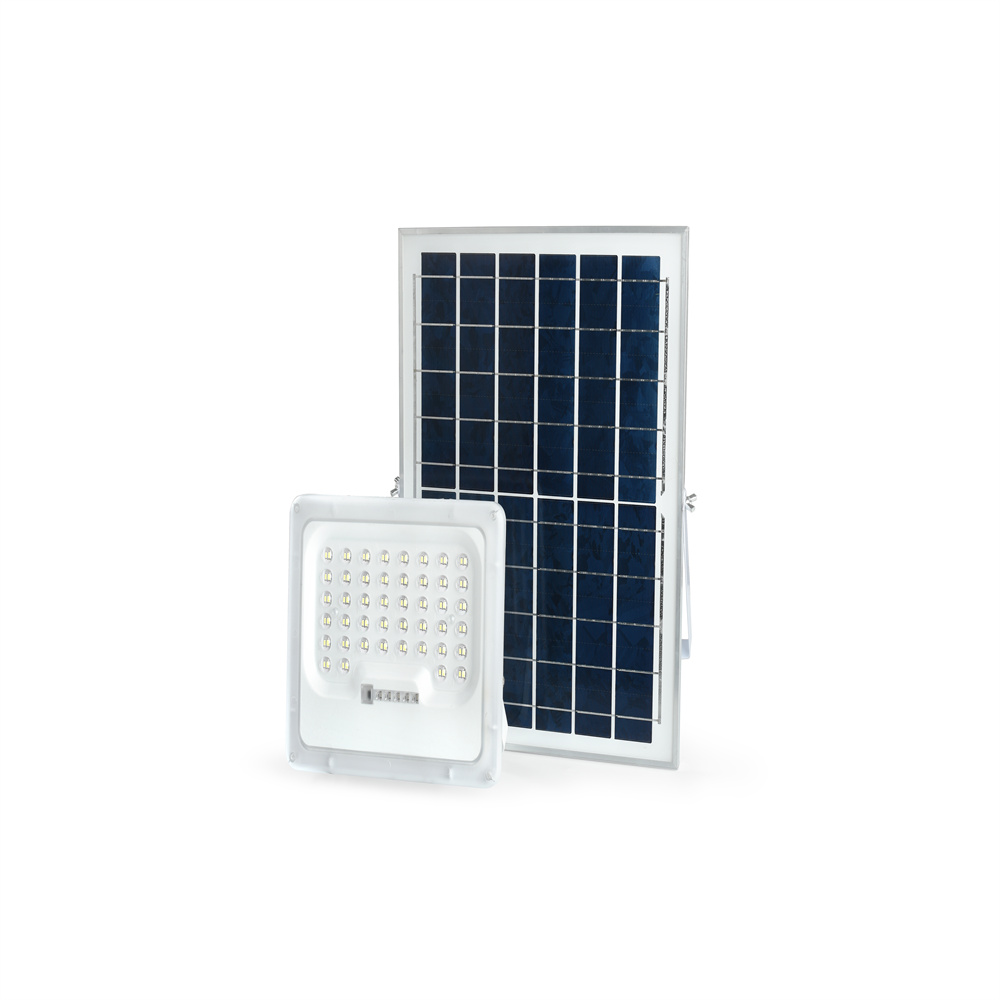
Design: Separate solar panel and LED lamp connected by a cable for flexible installation.
Pros: Greater flexibility in panel placement, and efficient energy capture.
Cons: Requires more installation effort, potential for cable wear and tear.
Solar and Wind Hybrid Street Lights
Design: Combines solar panels and a small wind turbine for power generation, ensuring continuous energy production.
Pros: Reliable in areas with inconsistent sunlight, reduced dependency on a single energy source.
Cons: Complex design, higher initial cost.
Double-Arms Solar Street Lights
Design: Features two arms with LED lamps for increased illumination coverage.
Pros: Enhanced lighting range, suitable for wider streets or open areas.
Cons: Higher cost and energy consumption compared to single-arm designs.
Solar Street Lights with Motion Sensors
Design: Equipped with motion sensors to detect movement and adjust brightness accordingly.
Pros: Energy efficiency, enhanced security, and reduced light pollution.
Cons: Higher upfront cost, potential for false activations.
Solar Bollard Lights
Design: Short, standalone fixtures suitable for pathways and small areas.
Pros: Low installation height, aesthetic appeal, and suitable for residential areas.
Cons: Limited brightness, not ideal for large-scale street lighting.
Advantages of Solar-Powered LED Street Lights vs Traditional Lighting
Explore the bright advantages of solar-powered LED street lights over traditional lighting in this concise overview.
From energy efficiency and cost savings to environmental friendliness, discover the illuminating reasons why solar-LED technology stands out as a sustainable solution for modern urban landscapes.
Energy Efficiency
Solar-LED: Harnesses solar energy, reducing dependence on the grid, and operates with high energy efficiency, converting sunlight directly into electricity.
Traditional: Relies on the grid, often less energy-efficient, leading to higher power consumption.
Cost Savings
Solar-LED: Lower long-term costs due to reduced electricity bills and minimal maintenance. No ongoing expenses for fuel or grid-based electricity.
Traditional: Higher operational costs, including electricity bills and maintenance for components like bulbs and ballasts.
Environmentally Friendly
Solar-LED: Generates clean energy, minimizing carbon footprint, and reducing environmental impact by avoiding the use of fossil fuels.
Traditional: May rely on non-renewable energy sources, contributing to pollution and resource depletion.
Easy Installation
Solar-LED: Simplified installation without the need for extensive wiring or connection to the electrical grid, making them suitable for remote or off-grid locations.
Traditional: Requires complex wiring and connection to the grid, potentially leading to higher installation costs.
Low Maintenance
Solar-LED: Longer lifespan, reduced maintenance needs, and fewer components to replace, resulting in lower ongoing maintenance costs.
Traditional: Shorter lifespan, frequent component replacements, and higher maintenance requirements, leading to increased operational expenses.
Independent Operation
Solar-LED: Operates independently of the grid, providing continuous illumination even during power outages or in areas with limited access to electricity.
Traditional: Relies on grid power, facing disruptions during outages and limitations in remote locations.
Adaptability to Remote Locations
Solar-LED: Ideal for remote or off-grid areas where access to electricity is limited, offering a sustainable lighting solution.
Traditional: Challenging to deploy in remote locations due to the need for a reliable grid connection.
Reduced Light Pollution
Solar-LED: Allows for precise control of light direction, minimizing light spillage and reducing light pollution in the surrounding environment.
Traditional: Emits light omnidirectionally, contributing to light pollution and wasteful energy consumption.
Flexibility in Design and Placement
Solar-LED: Offers flexibility in design and placement due to wireless operation and the ability to install lights in diverse locations without grid constraints.
Traditional: Limited in design flexibility and placement options due to the requirement for a grid connection.
Long-Term Sustainability
Solar-LED: Aligns with sustainable practices, utilizing renewable energy sources and promoting long-term environmental and economic benefits.
Traditional: May rely on finite energy sources and contribute to environmental degradation, posing challenges for long-term sustainability.
Factors to Consider When Choosing the Best LED Solar Street Light
1. Brightness and Lumens
When choosing the best LED solar street light, consider brightness measured in lumens. It determines the light’s intensity. For streets, opt for higher lumens for better visibility and safety.
2. Battery Capacity
Evaluate the solar light’s battery capacity, usually in ampere-hours (Ah). A higher capacity means longer illumination hours, especially during cloudy days.
3. Solar Panel Efficiency
Efficiency matters. A solar panel converts sunlight into energy. Look for a high-efficiency panel to ensure optimal charging even in less sunny conditions.
4. Durability and Weather Resistance
Street lights face the elements. Prioritize durability and weather resistance to withstand rain, snow, or intense sunlight for long-term reliability.
5. Installation and Maintenance
Opt for lights with user-friendly installation and minimal maintenance. This ensures a hassle-free setup and reduces long-term operational costs.
Conclusion
Looking for a reputable solar LED street light manufacturer?
RRRLighting is the most trusted LED light factory in the industry for semiconductor illumination and application of renewable energy, boasting over 30 years of expertise.
The outdoor lighting manufacturer is a reliable partner for loyal clientele across 56 countries, specifically in Europe, America, Africa, and Asia.
As one of the best LED street light manufacturers, RRRLighting also values innovation and continues to strive for advancement with over 160 patents.
Reach out to their website for a quotation to get started.