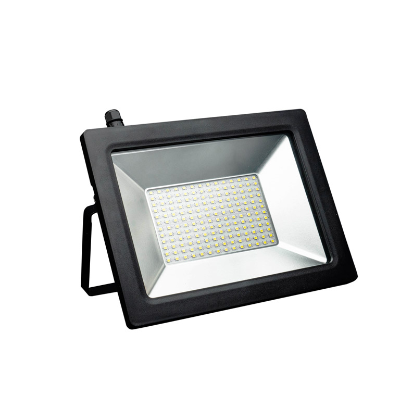
Are you looking for solar LED street light maintenance guidance? Kudos if you’ve already installed them! You can immediately start saving money and energy. To guarantee optimal performance, solar street lights need regular maintenance, just like any other kind of lighting. The following advice will help you maintain your solar-powered street lights: Although maintaining solar […]
Are you looking for solar LED street light maintenance guidance? Kudos if you’ve already installed them! You can immediately start saving money and energy. To guarantee optimal performance, solar street lights need regular maintenance, just like any other kind of lighting.
The following advice will help you maintain your solar-powered street lights:
- Make sure the battery is holding a charge by checking it often.
- Every few months, clean the lens—ideally first thing in the morning—using a glass cleaner or water and a towel.
- Every month or so, check the wiring for wear and tear or damage.
- Make sure there are no leaves or other material obstructing the light.
Although maintaining solar street lights can seem difficult, it can be simple if you follow these guidelines. We’ll go over additional maintenance tips for solar street lighting in this post.
Additional Maintenance Tips For Solar Street Lighting
Examine the solar panel for any debris or dirt
Make sure your solar street light is operating at its best by routinely checking and cleaning the solar panel. Use a soft cloth to carefully wipe away any dirt or debris that you find. Furthermore, inspect the panel for damage or cracks and replace it as needed.
Another essential part of your solar street light is the light fixture. Check it often for breaks, cracks, and other damage, and replace it as necessary. Additionally, look for any damage on the cables going to the fixture and replace or repair them as needed.
Verify that the light faces in the right direction by checking
Ensuring that your solar street light is facing the correct direction is essential for effective maintenance. The solar panel’s angle determines how much sunshine it receives, which has an impact on its efficiency.
To make sure the solar panel is horizontal and to make any necessary adjustments, use a level. Next, make sure it’s pointing true north by using a compass. If not, change the angle till the desired direction is faced.
Remove anything obstructing the light that might be preventing sunlight
Make sure your solar lights are pointing the right way and receiving enough sunshine by checking them often. If you notice that they aren’t receiving as much sunlight as they used to, reposition them or get rid of any obstacles.
Adjust all bolts and screws to the proper torque
To avoid damage over time from loosening or falling out, make sure all of the screws and nuts on your solar street light are snug. Additionally, make sure the batteries are retaining a charge and giving the light adequate power by checking them every few months.
Changing Out Parts When Needed
Naturally, new components for your solar street light will eventually become necessary, regardless of how carefully you maintain it. The light fixture, solar panel, and batteries are the most often replaced parts that may need replacement.
The average led street light lifespan of a battery is two to three years, depending on use frequency. Although they may sustain damage from debris or severe weather, solar panels normally have a five-year lifespan. How long do led street lights last? The average lifetime of light fixtures is 10 years. However, extreme weather might decrease that period.
In order to guarantee solar street lights last a long time and operate at their best, lighting both cars and pedestrians safely, and regular maintenance is essential.
Clean the Lens of the Light if It’s Dirty
A soiled or dusty lens on your solar street light might lower the amount of light it produces, which will affect how well it lights your house or place of business. Just brush any dust or debris off the lens with a soft cloth to clean it. Use a mild soap and water solution to remove stubborn dirt or grime, but be sure to thoroughly rinse the lens afterward to remove any soap residue.
Maintaining solar street lights on a regular basis is essential to guarantee their life and peak functionality. When built properly, solar street lights may provide dependable and secure illumination for any given region. To maintain solar street lights and enable operators to diagnose any issues that may emerge, a basic understanding of electrical principles, light electronics, and solar energy is required. You can increase the lifetime and maintain the proper functioning condition of your solar street lighting by performing routine maintenance.
Read Next: What are Some Common Problems Regarding LED Street Lights?