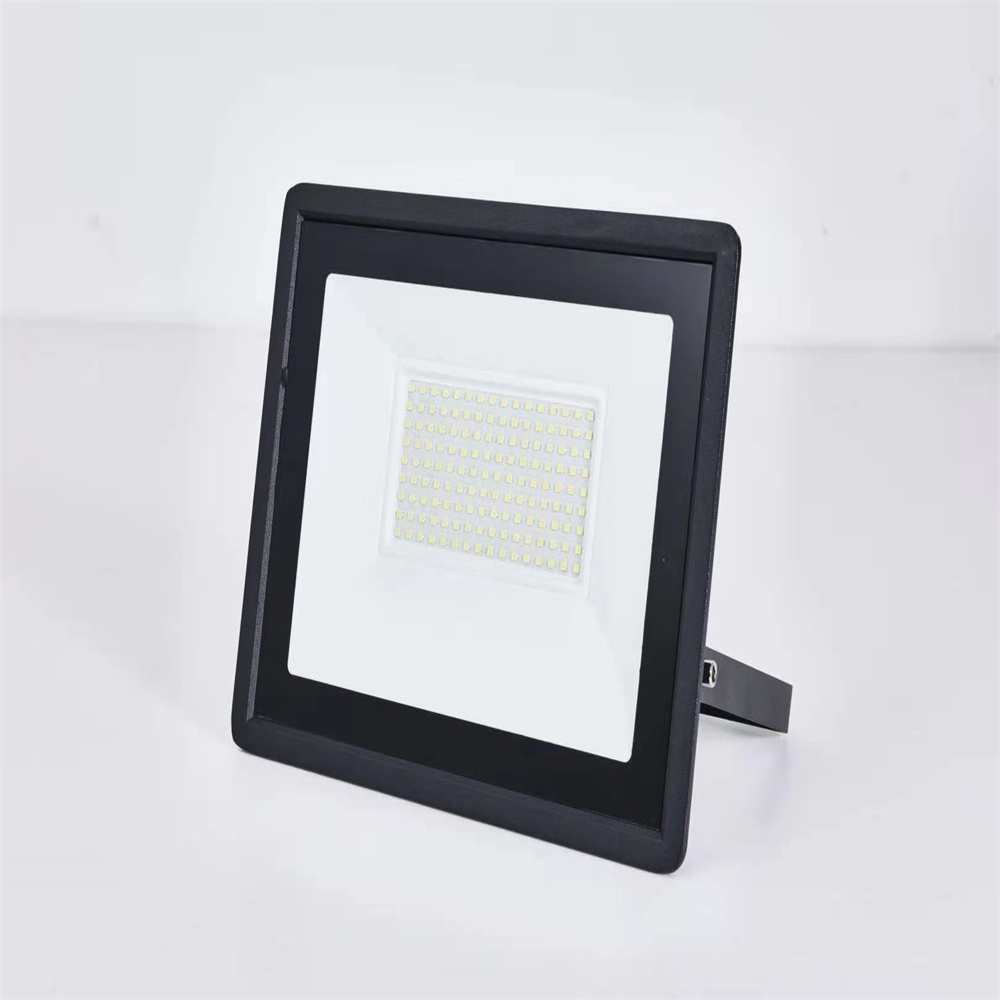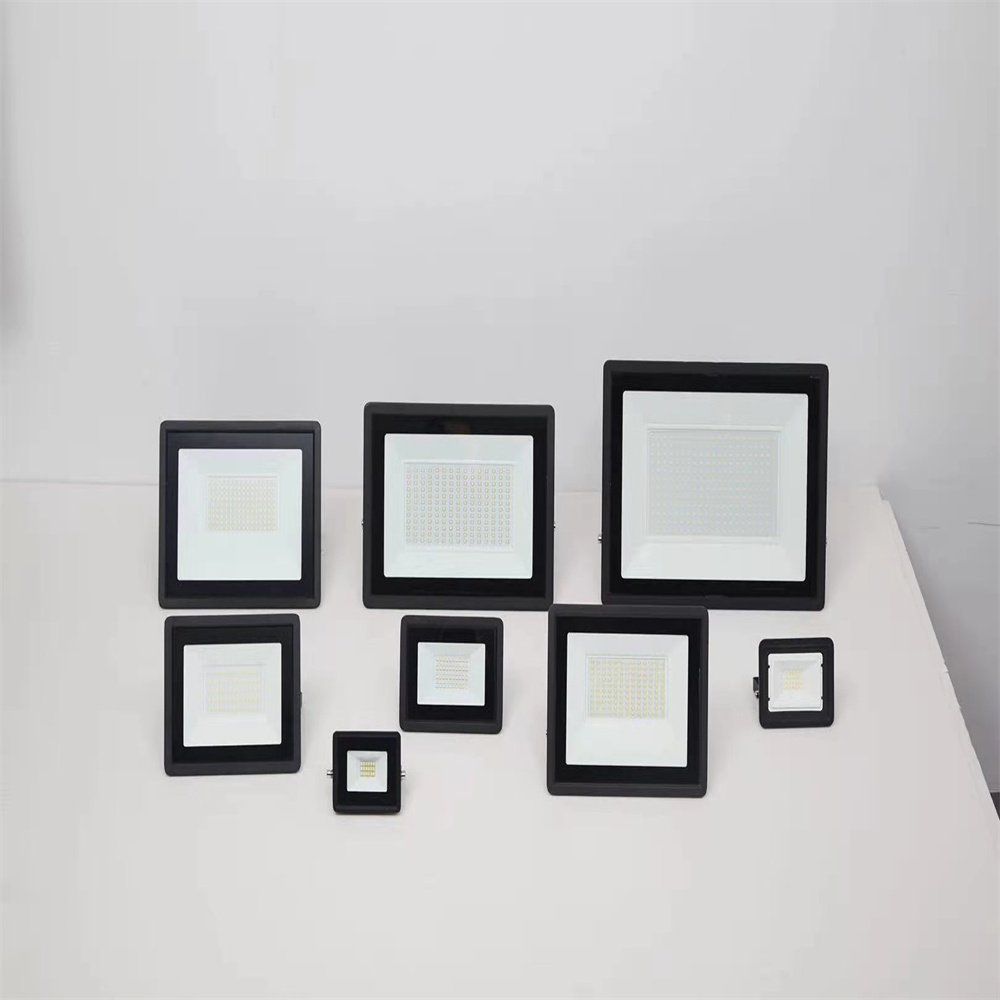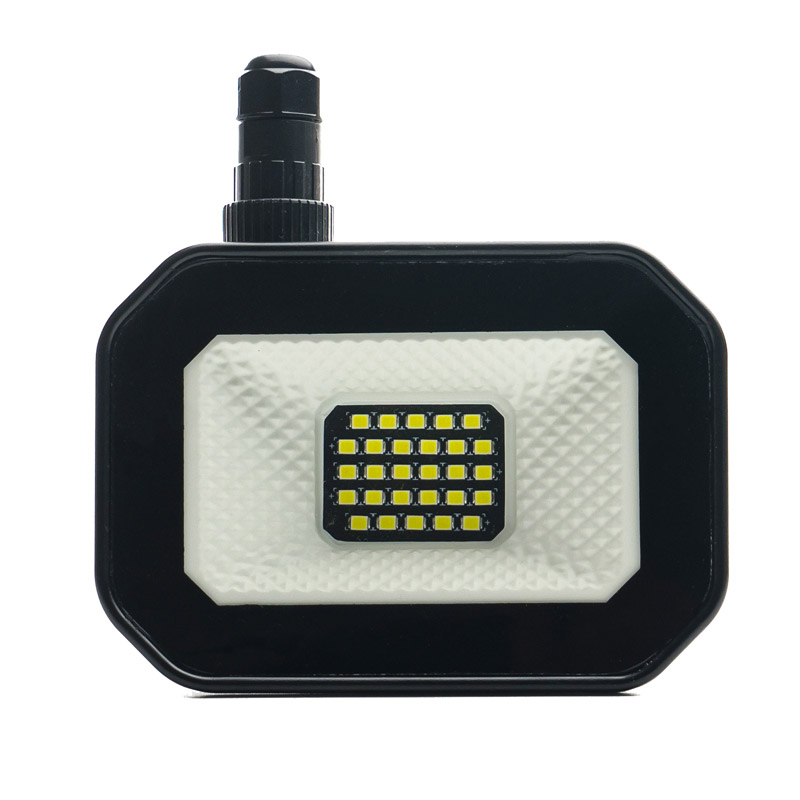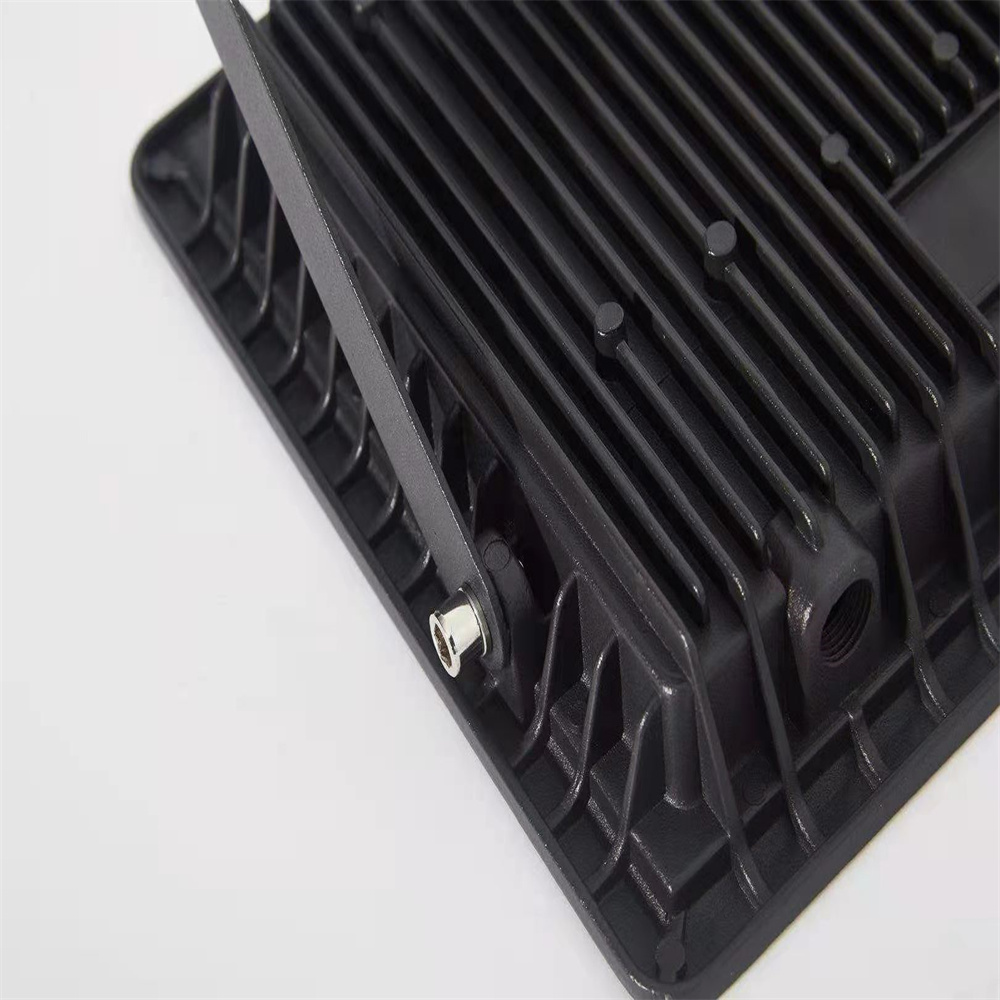
From traditional dome-shaped fixtures to sleek linear designs and smart technology integration, find the perfect lighting solution for warehouses, gyms, and more. Upgrade to cutting-edge LED high bays from RRR Lighting for superior performance, energy efficiency, and longevity. Illuminate your space with confidence
LED high bay light is a type of lighting fixture that is designed to illuminate large indoor spaces with high ceilings. These fixtures are commonly used in commercial and industrial settings such as warehouses, manufacturing facilities, gymnasiums, and retail stores, among others.
LED high bays are known for their energy efficiency, longevity, and ability to produce bright and focused light.
There are several types of LED high bay lights, each designed for specific applications. The main types include:
6 Common Types Led High Bay
1. Traditional LED High Bay Fixture
These are the standard, dome-shaped fixtures commonly used in industrial settings. They are available in various wattages and brightness levels to suit different ceiling heights and space requirements.
2. Linear LED High Bay Fixtures
These fixtures have a more rectangular or linear shape, providing a different aesthetic and often better light distribution. They are suitable for environments where a more modern or streamlined look is desired.
3. UFO LED High Bay Lights
UFO stands for “Unidentified Flying Object,” and these fixtures are called UFO high bays due to their round and compact shape. They are often more compact and lightweight than traditional high bays, making them easier to install and handle.
4. Modular LED High Bay Lights
Modular high bays consist of multiple modules or sections that can be combined to create a customized lighting solution. This allows for flexibility in design and can be useful in applications with specific lighting requirements.
5. Recessed LED High Bay Lights
These fixtures are installed into the ceiling, providing a more streamlined and integrated appearance. Recessed high bays are suitable for environments where aesthetics are a key consideration.
6. Smart LED High Bay Lights
Some high bay lights come equipped with smart technology, allowing for features such as dimming, scheduling, and remote control through mobile apps or other smart control systems. This enhances energy efficiency and provides greater control over the lighting environment.
When selecting commercial LED high bay lights, it’s important to consider factors such as the ceiling height, the type of tasks performed in the space, required light levels, energy efficiency, and any specific design preferences.
Additionally, it’s crucial to ensure that the selected fixture meets relevant safety and industry standards for the intended application.
LED High Bay That Exceeds Expectations
Upgrade your lighting with cutting-edge commercial LED high bay lights from RRR Lighting.
Our commercial LED high bays are engineered for superior performance, energy efficiency, and longevity, ensuring a well-lit and productive environment. Don’t miss the opportunity to transform your workspace. Contact us or visit our website to learn more about our LED high bay lights.