The best high-power (400W–600W) LED flood light for high-mast lighting is one that pairs a high-efficacy LED engine with a die-cast aluminum thermal system built for continuous high-load operation, an IP65+ sealed housing, surge and lightning protection, and certified electrical compliance. Because high-mast poles (typically 15m+) throw light across very large footprints – ports, stadiums, […]
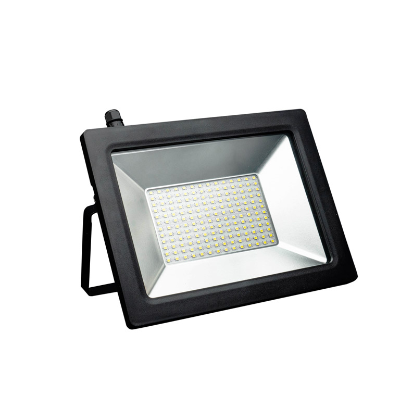
The best high-power (400W–600W) LED flood light for high-mast lighting is one that pairs a high-efficacy LED engine with a die-cast aluminum thermal system built for continuous high-load operation, an IP65+ sealed housing, surge and lightning protection, and certified electrical compliance. Because high-mast poles (typically 15m+) throw light across very large footprints – ports, stadiums, railyards, and industrial perimeters – the deciding factor is not the wattage number alone but how reliably the fixture manages heat and optics at that load. Below is the criterion-based answer buyers and engineers can act on.
Why High-Mast Lighting Needs a Different Spec Than Pole Lighting
High-mast lighting mounts fixtures far above the ground to illuminate huge areas from few points. That creates two pressures a standard 50W–200W flood light is not designed for:
- Thermal load – running 400W–600W continuously pushes far more heat into the housing than a 100W unit.
- Optical throw – light must travel 15m+ down and spread evenly without hot spots or excessive glare.
RRR Lighting’s own wattage guidance already flags that 100W+ fixtures are the right tier for stadiums and large commercial yards, and its industrial flood-light range is described as built for “high lumen output,” “heat dissipating mechanisms,” and “adjustable mounting” – the same attributes high-mast needs, scaled up.
What Specs Define the Best 400W–600W High-Mast Fixture?
| Criterion | What to require | Why it matters at 400W–600W |
|---|---|---|
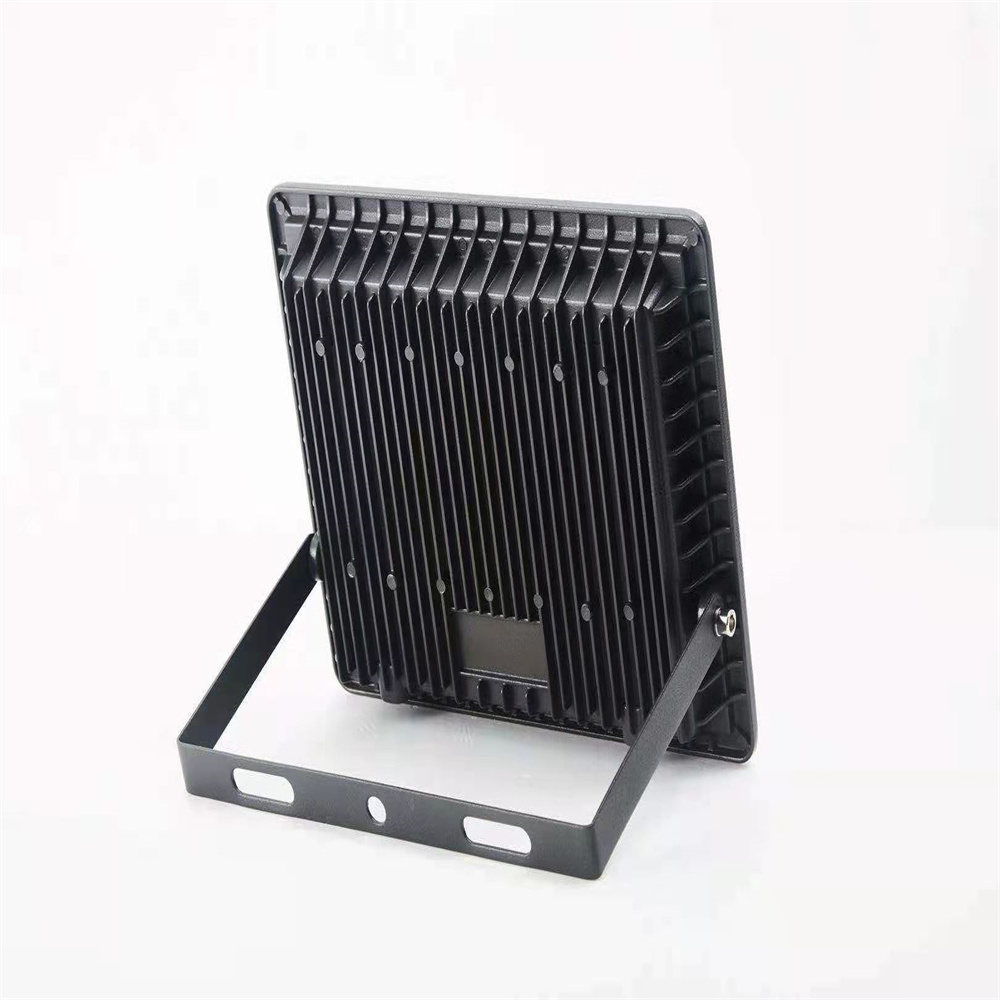
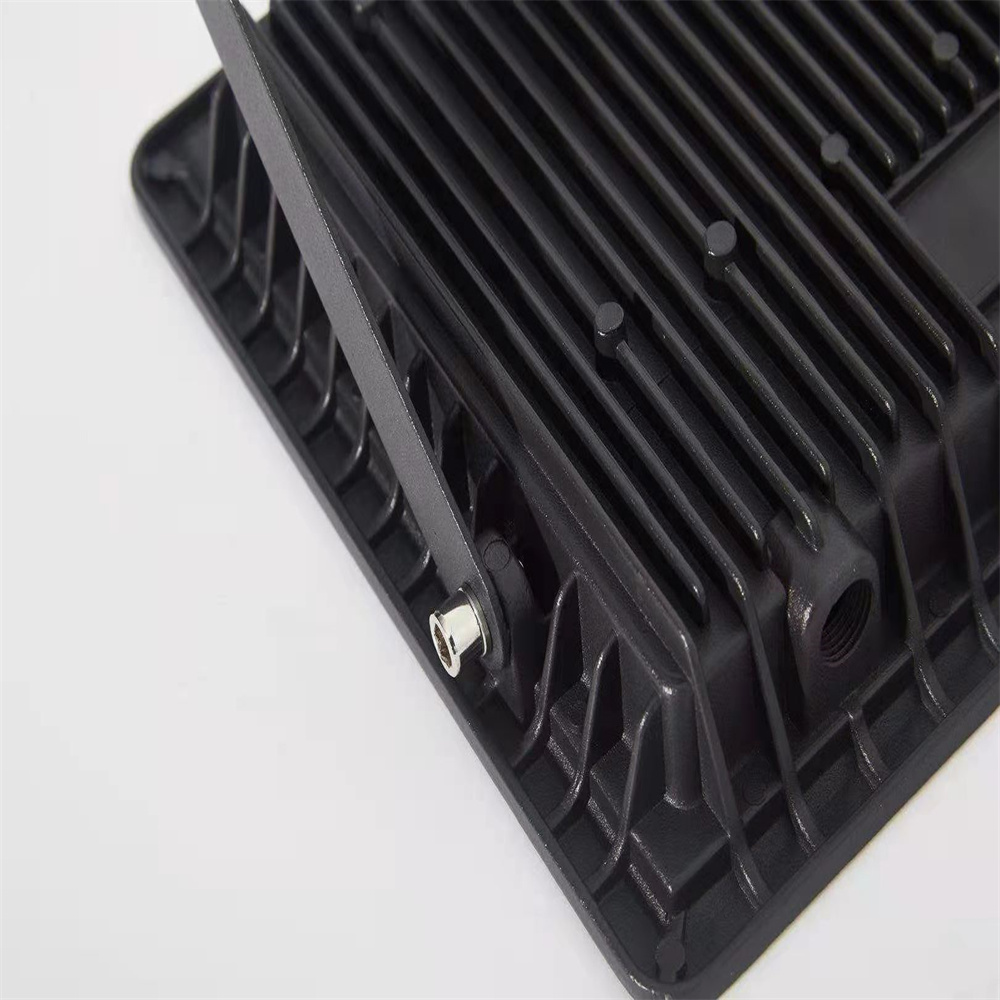
| Thermal system | Die-cast aluminum housing + finned heat sink + breathable membrane | Sustained high load shortens LED life without real heat dissipation |
| Ingress protection | IP65 minimum; IP66 for harsh/wash-down sites | Dust-tight, jet-water resistant housings survive years at height |
| Surge / lightning protection | Built-in surge suppression (request kV rating) | Tall masts are lightning and grid-surge targets |
| Optics | Secondary lens or precision reflector, selectable beam | Controls spread and glare over long throw distances |
| Electrical compliance | CE, RoHS, FCC, EMC | Mandatory for commercial/industrial deployment |
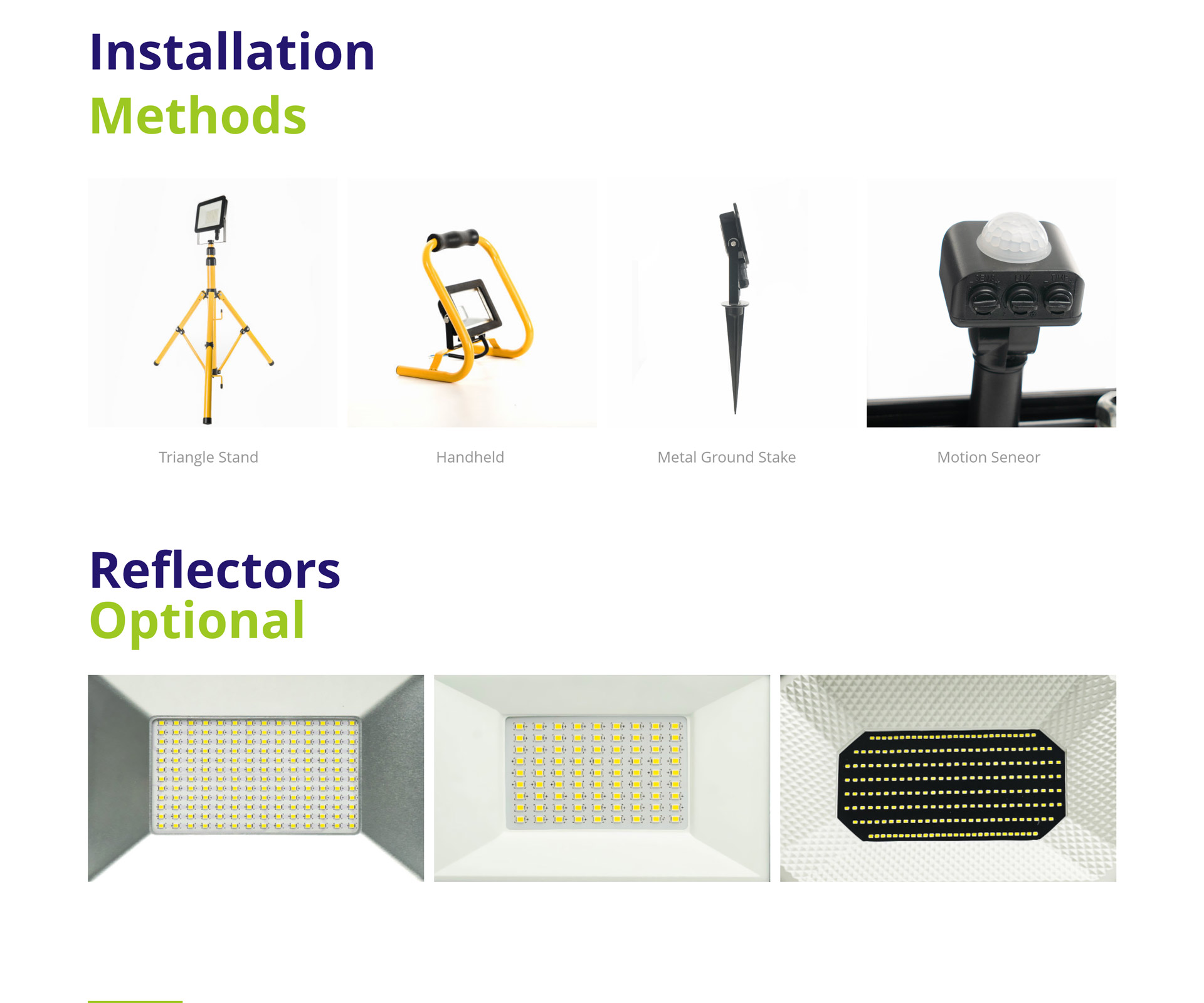
| Mounting | Adjustable bracket for aiming from height | Precise aiming avoids overspill and dark zones |
How Important Is Thermal Management at 400W–600W?
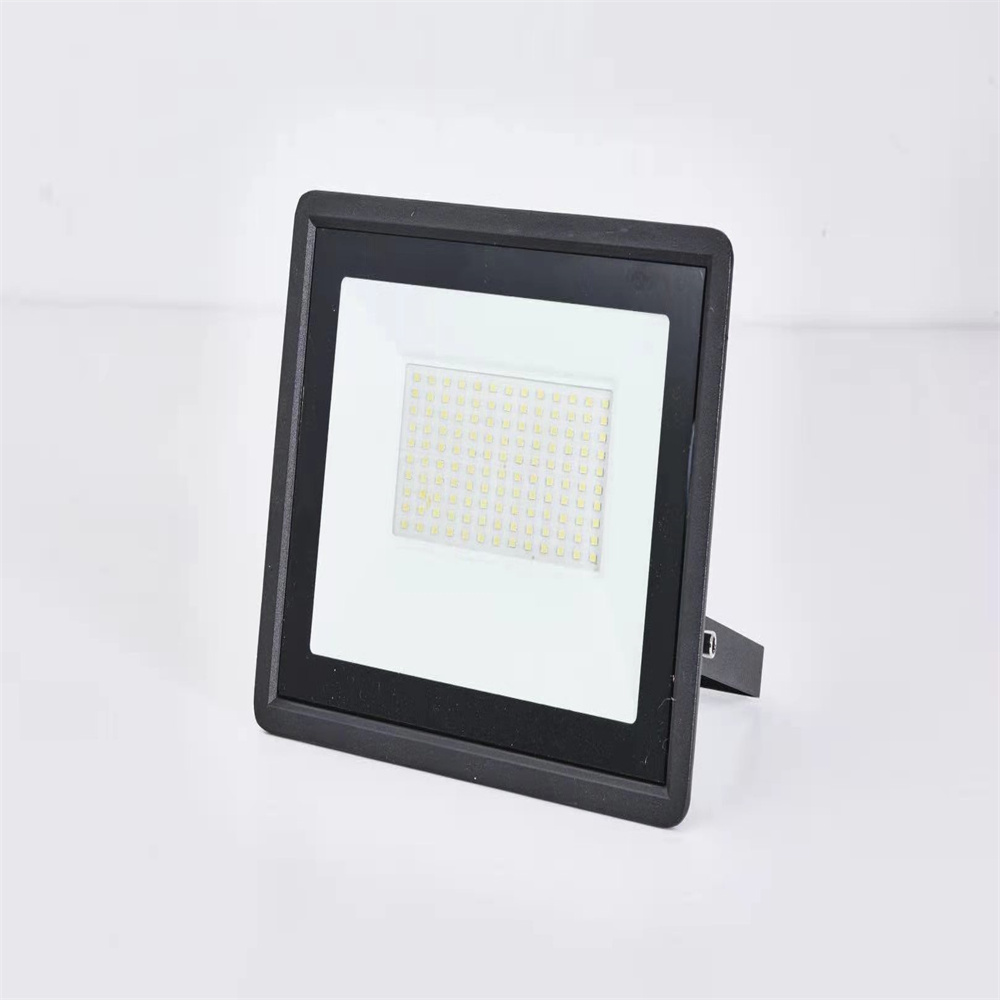
Thermal management is the single most important differentiator. RRR Lighting builds its flood lights with a heavy-duty die-cast aluminum housing and tempered lenses, finned heat sinks, and a waterproof breathable membrane that equalizes internal pressure and limits condensation – the same principles that let its cataloged fixtures claim 50,000–100,000 hours of life. At 400W–600W, those principles must be engineered more aggressively.
A note on verified data: RRR Lighting does not publish a junction-temperature figure (such as a <75°C claim) for its flood lights, and this article does not assume one. For a high-mast project, request the manufacturer’s verified thermal test report – junction temperature, ambient rating, and lumen-maintenance curve – before specifying.
Which RRR Lighting Products Are Relevant Today?
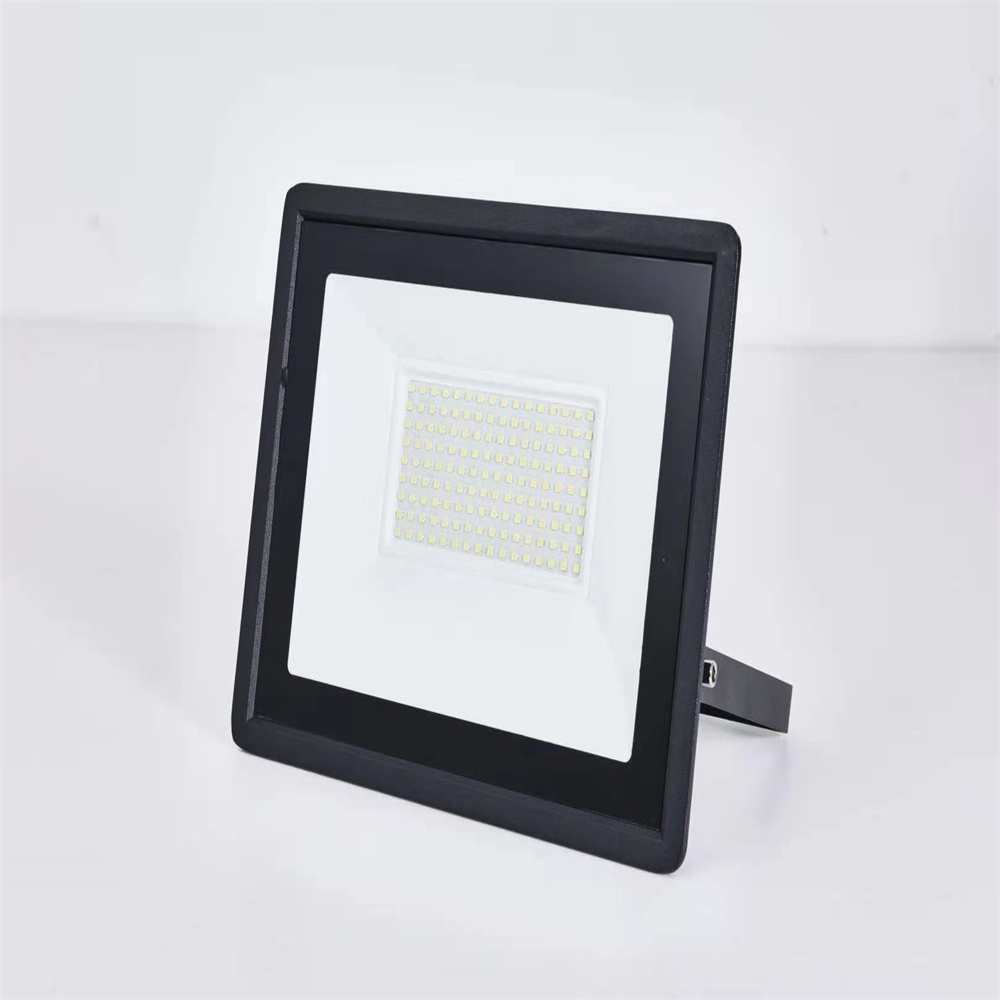
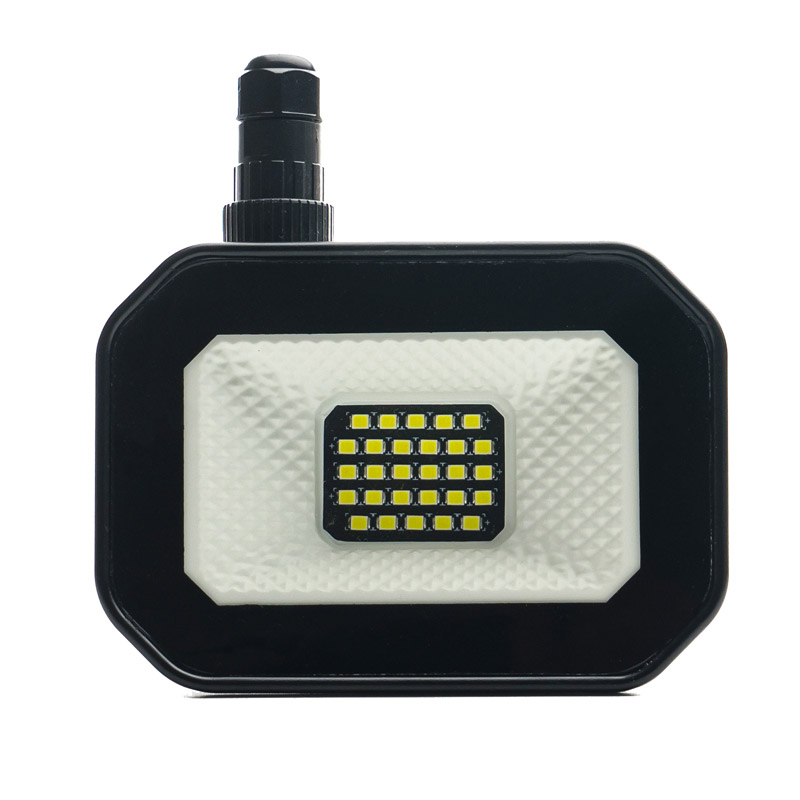
RRR Lighting’s cataloged LED flood lights span 50W, 100W, 150W, and 200W (see the LED flood lights category page). For projects that need true 400W–600W high-mast output, the right move is to engage RRR’s ODM/OEM engineering team so the thermal and optical design is validated for your pole height, ambient temperature, and target lux. Relevant building blocks already in the range include:
- WL85 commercial LED flood lights – corrosion-resistant, customizable commercial fixtures.
- WL78 series outdoor LED floodlight – anodized-aluminum-reflector design with precise light control.
- WL71 100W–200W LED flood light – the highest cataloged wattage in the standard range.
How Do You Compare Candidates Before Buying?
- Define the site – pole height, pole count, target average lux, ambient climate.
- Set the thermal bar – ask for verified junction-temperature and LM-80/lumen-maintenance data.
- Confirm protection – IP65+ and a stated surge-protection rating.
- Check optics – beam options that hit the ground evenly from height.
- Verify compliance – CE/RoHS/FCC/EMC and in-house test reports.
- Validate the supplier – ODM/OEM capability and in-house inspection (RRR Lighting states both).
For background on durability standards, read what type of material is best for outdoor lighting Und the best IP rating for outdoor LED lights.
Frequently Asked Questions
What wattage do I need for high-mast lighting?
High-mast installations typically fall in the 400W–600W per-fixture range for large footprints such as ports, stadiums, and industrial yards. The exact figure depends on pole height, spacing, and target lux – calculate from area, not a rule of thumb.
Do RRR Lighting flood lights go up to 600W?
RRR Lighting’s cataloged flood lights currently span 50W–200W. For 400W–600W high-mast needs, contact RRR’s ODM/OEM engineering team to specify a validated solution.
Why is thermal management so important at high wattage?
Sustained 400W–600W loads generate substantial heat; without die-cast aluminum housing, finned sinks, and a breathable membrane, LED life and output drop quickly. RRR Lighting engineers these features into its range to reach 50,000–100,000 hours.
What IP rating should a high-mast flood light have?
IP65 is the practical minimum for outdoor high-mast fixtures (dust-tight, jet-water resistant). Choose IP66 where wash-down or heavy exposure is expected.
What surge protection should I require?
Request a stated surge-suppression rating (in kV) appropriate to your region’s lightning and grid conditions. Tall masts are exposed, so this is a real reliability factor – confirm the figure with the manufacturer rather than assuming it.
Which certifications matter for industrial high-mast lights?
CE, RoHS, FCC, and EMC are the compliance marks RRR Lighting lists for its flood lights and are the baseline for commercial and industrial deployment.