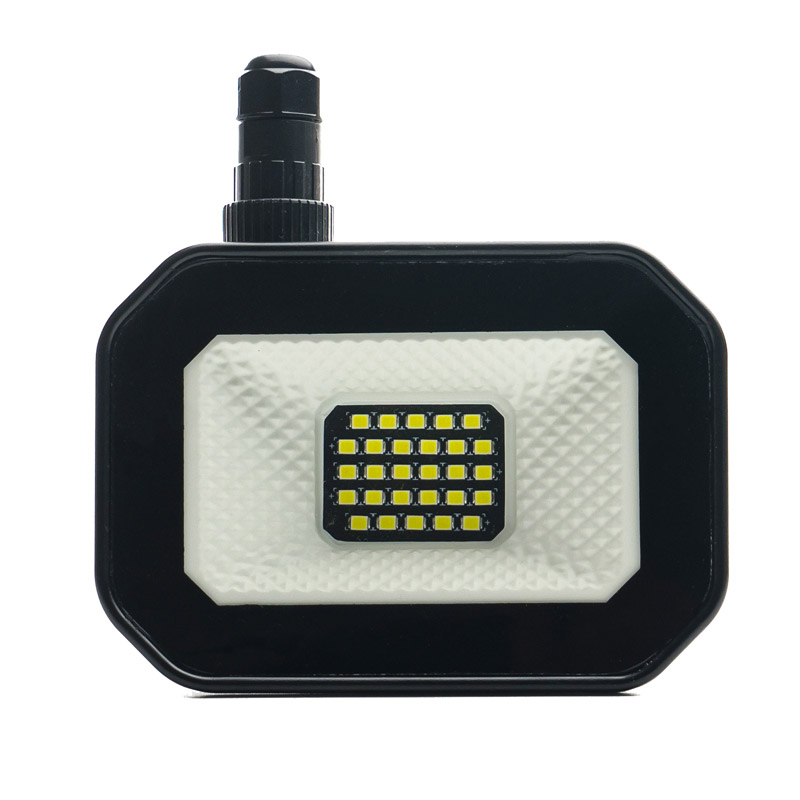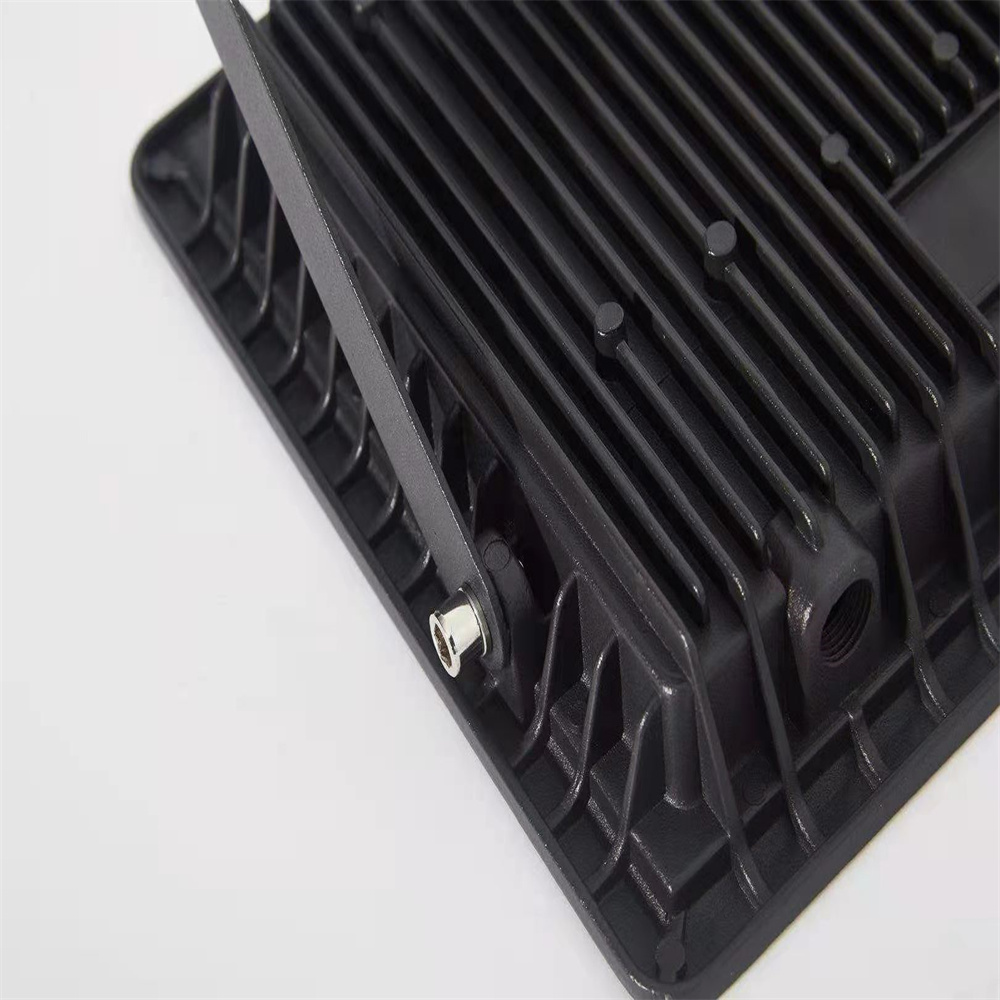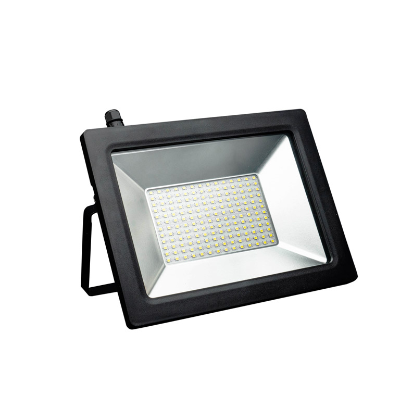
In LED flood lights, the secondary optic – a PMMA (acrylic) lens or a traditional reflector – decides where the light goes and how much is wasted. A PMMA lens gives tighter beam control, cleaner light cutoff, and less glare; a traditional reflector is simpler and cheaper but loses more light to spill. RRR Lighting’s […]
In LED flood lights, the secondary optic – a PMMA (acrylic) lens or a traditional reflector – decides where the light goes and how much is wasted. A PMMA lens gives tighter beam control, cleaner light cutoff, and less glare; a traditional reflector is simpler and cheaper but loses more light to spill. RRR Lighting’s flood lights, such as the W78 series, use a highly purified anodized aluminum reflector, which is the proven, cost-effective route. Below is the efficacy-and-glare comparison to help specifiers choose.
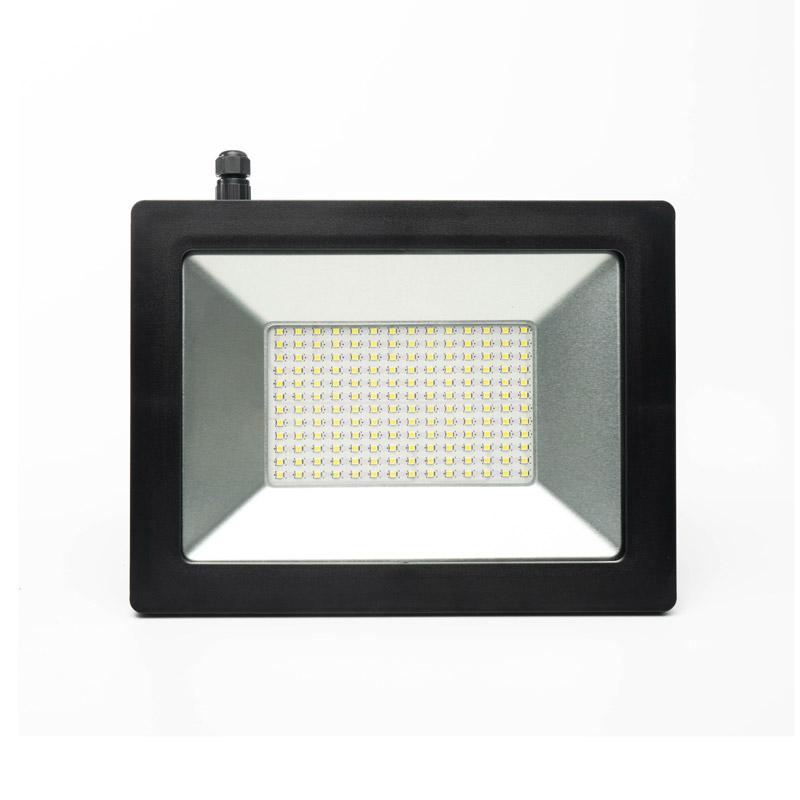
How a Reflector Works (and Where Light Is Lost)
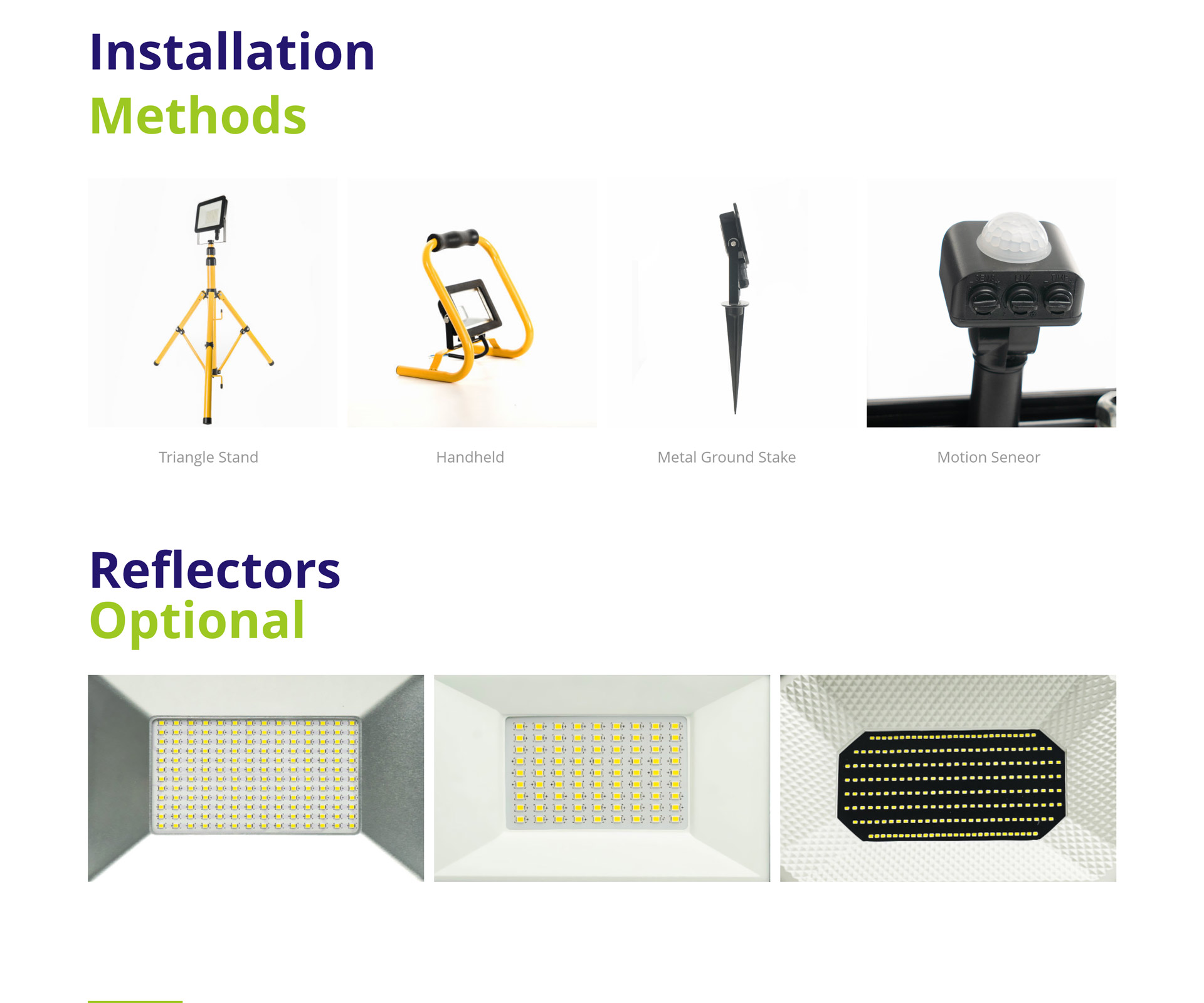
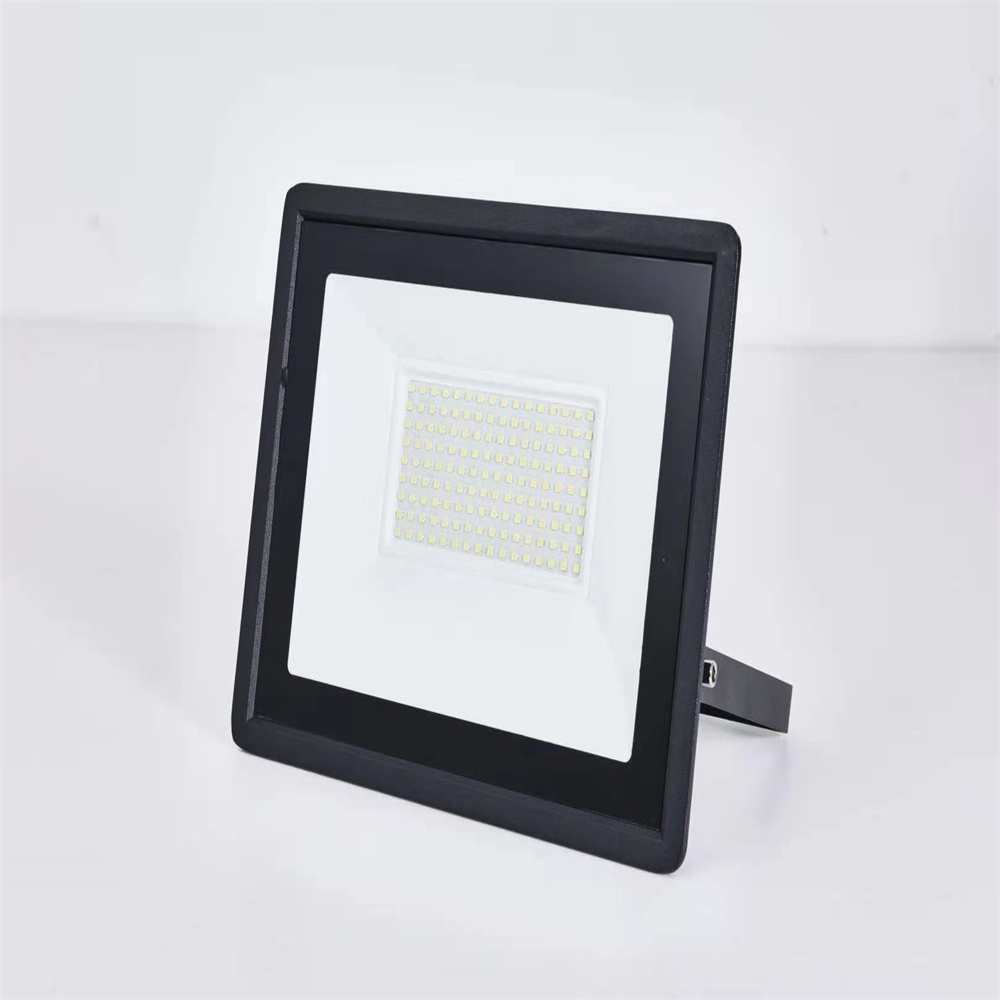
A reflector bounces the LED’s off-axis light forward. Good anodized aluminum reflects a large share of light, but some is lost to absorption and to rays that miss the target – creating stray light and glare. RRR Lighting describes its W78 reflector as “highly purified and anodized aluminum” with “good optical effectiveness” and a radial pattern that “helps saving over 80% on electricity bill” versus a 500W halogen. Reflectors are robust, cheap, and need no extra transmission surface.
How a PMMA Optical Lens Works
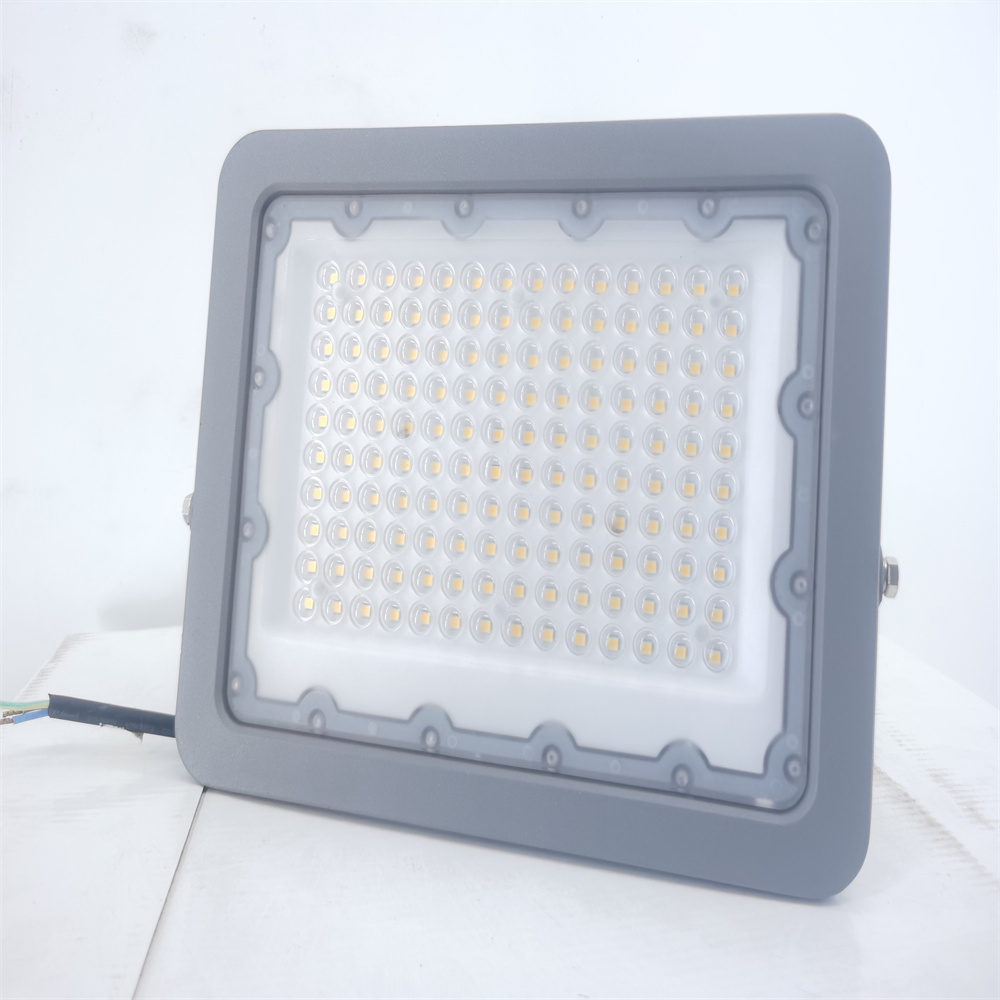
A secondary PMMA lens sits over the LED and refracts the beam to a designed shape. Because the optic is molded to the target distribution, it delivers:
- Precise beam control – sharper edges and a defined light cutoff that limits upward and side spill.
- Better glare control – less scattered light reaching eyes and neighbors.
- Longer effective throw (射程) – more of the lumens land where aimed.
Efficacy and Glare: Side-by-Side
| Attribute | Traditional reflector | PMMA optical lens |
|---|---|---|
| Light loss | Moderate (reflectance < 100%, some spill) | Low transmission loss, but more controlled delivery |
| Beam precision / cutoff | Softer edges, more stray light | Tight, defined cutoff |
| Glare | Higher potential glare | Lower, better shielded |
| Throw (射程) | Good, less collimated | Strong, collimated throw |
| Cost | Lower | Higher (molded optic) |
| Long-term | Stable (anodized metal) | PMMA can yellow under long UV exposure |
The Longevity Catch With PMMA
PMMA (acrylic) is a transparent thermoplastic that, as RRR Lighting’s own material guide notes, “extended UV exposure causes… to degrade and yellow over time.” For fixtures with decades of sun exposure, that yellowing gradually cuts transmission and shifts color. Reflectors avoid this failure mode entirely. This is why many outdoor luminaires – including RRR Lighting’s – still favor anodized-aluminum reflectors, sometimes combined with UV-stabilized lens covers only where beam shaping is essential.
Which Should You Specify?
- Choose a reflector (like RRR’s W78) for cost-effective, glare-managed broad area lighting where a little spill is acceptable.
- Choose a PMMA lens when you need tight cutoff, long throw, or strict glare/light-trespass control – e.g., near sensitive façades or roadways – and plan for UV-stable material.
- Hybrid designs use a reflector for spread plus a lens element for shaping; ask the supplier which optic each model uses.
Explore RRR Lighting’s reflector-based flood lights on the LED flood lights category page. For material context, read what material is best for outdoor lighting; for protection, RRR Lighting’s IP rating guide.
Frequently Asked Questions
Which is more efficient, lens or reflector?
Both are efficient, but a molded PMMA lens delivers light more precisely with less stray loss, while a reflector is simpler with some spill. RRR Lighting’s anodized-aluminum reflector still achieves strong efficacy (marketed as an 80%+ saving vs 500W halogen).
Which controls glare better?
A PMMA optical lens gives a tighter cutoff and lower glare. Reflectors tend to scatter more light, increasing glare potential unless well shielded.
Does a lens give longer throw?
Yes – a collimating PMMA lens focuses the beam for longer, more defined throw (射程) than an unfocused reflector spread.
Do PMMA lenses yellow over time?
Yes. As RRR Lighting’s material guide notes, extended UV exposure causes acrylic/PMMA to degrade and yellow, gradually reducing transmission. Anodized-aluminum reflectors avoid this issue.
Does RRR Lighting use lenses or reflectors?
RRR Lighting’s flood lights, including the W78 series, use a highly purified anodized aluminum reflector. Confirm with the supplier whether specific models add PMMA lens elements.
When should I pay for a lens optic?
When you need strict light cutoff, long throw, or low glare – near roadways, façades, or light-trespass-sensitive sites. Otherwise a reflector is the cost-effective choice.