An essential component of urban growth is road planning, which guarantees easy and safe mobility, particularly at night. In order to brighten up roadways and improve visibility for both cars and pedestrians, LED streetlights are essential. However, the efficacy and durability of these lamps depend on their quality. Poor quality streetlights may increase the danger to […]
An essential component of urban growth is road planning, which guarantees easy and safe mobility, particularly at night. In order to brighten up roadways and improve visibility for both cars and pedestrians, LED streetlights are essential. However, the efficacy and durability of these lamps depend on their quality.
Poor quality streetlights may increase the danger to public safety and raise the expense of upkeep and replacement. A lack of innovation in the production process is typically the root cause of this problem. Some manufacturers emphasize cost-cutting strategies, such as employing subpar materials and procedures, to draw in customers in order to compete in the market. The quality of LED streetlights may thus decline.
Common Problems Regarding LED Street Lights
Inflated Product Specifications
Manufacturers may inflate product specs in an effort to draw in customers and compete in the market. But this may lead to goods that are less effective and might not fulfill the necessary illumination requirements. Customers often compare prices to get the best offers, but this may cause unhealthy rivalry between merchants.
Because of this, buyers could run across a variety of marketing strategies and find it difficult to choose trustworthy and affordable road lights from a large selection of goods.
Using imported fake chips and motor abilities
The performance of LED street lights is mostly dependent on their chips and driving powers. Some dishonest vendors may save expenses by using fake driving capabilities and chips, but they would still charge the same price for their goods as if they were real branded ones. This may lead consumers to purchase inferior goods without realizing they are saving money.
Substitute copper wires for gold wires in LEDs
A lot of LED producers are covertly switching out better materials for worse ones. When it comes to LED qualities, particularly chemical stability, copper alloy wires and silver alloy wires with a gold coating may be more dependable than gold wires, but they still have some drawbacks. Copper wires are vulnerable to oxidation and vulcanization, whereas these substitute wires are more vulnerable to corrosion from sulfur, chlorine, or bromine. Because of this, LEDs that use these replacements are more susceptible to chemical deterioration, which lowers the dependability of the light source and increases the likelihood that LED beads may eventually fail from wire breaking.
Poor penetrability lens and unreasonable light distribution design
The distribution of light is a key factor in optical design that determines the lighting effect. Poor lighting may result from poorly designed distribution. Early testing allows manufacturers to identify these problems, but consumers may not be aware of them or choose to ignore them. A big problem for wholesalers in this sophisticated industry is slipping into shopping traps because of a lack of technical understanding, and information asymmetry presents a substantial difficulty.
Bad design for heat dissipation
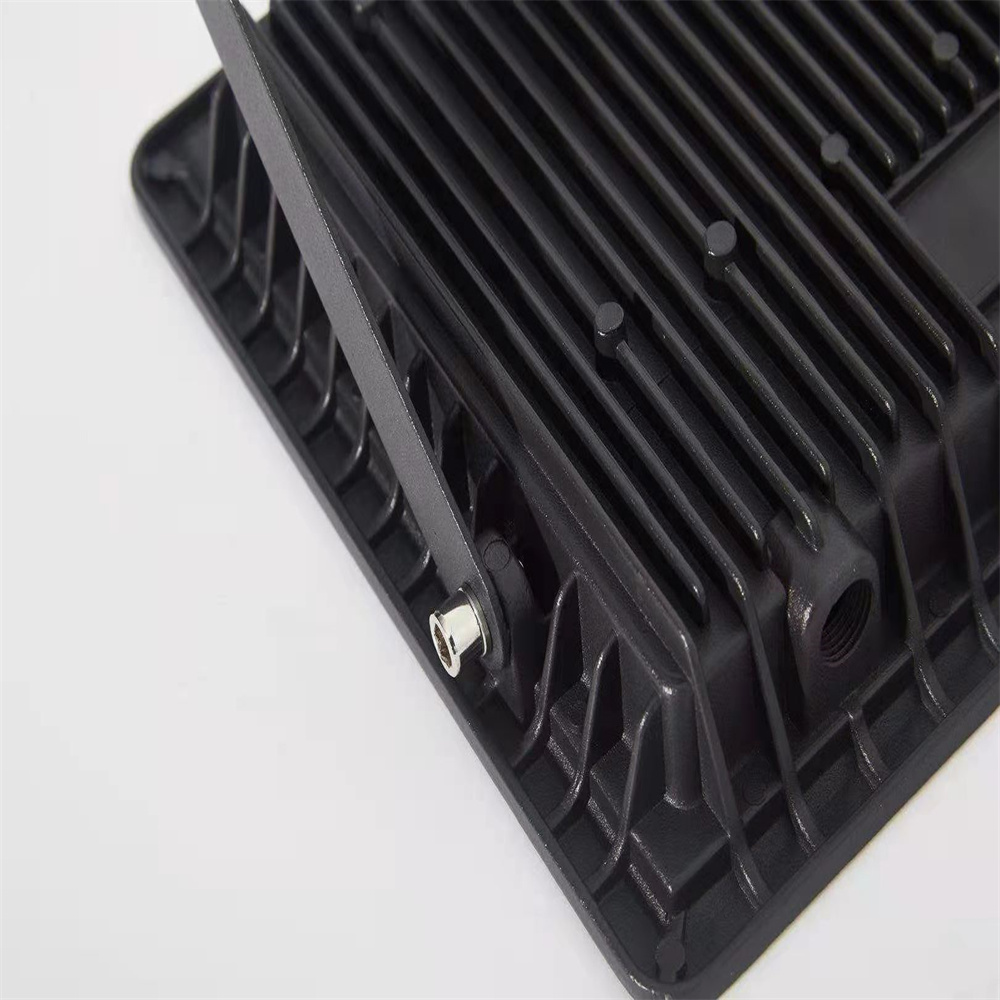
Semiconductor device lifetimes may be considerably shortened by every 10 °C increase in junction temperature. High brightness and durability are requirements for LED streetlights, thus efficient heat dissipation is essential. Inadequate handling of heat dissipation may hasten the aging of LEDs and jeopardize their stability.
Causing a power outage
Many individuals may not understand the significance of the driving force behind LED street lighting if it is not given much thought. But in the event that the driving power fails, a number of problems might occur:
- LED Street Light Blinking Problem
- Street Lamp Not Working
- Street Lamp Interference
- LED Lights Problems
- Common Problems With LED Lighting
- Street Light Interference Symptoms
- Flashing Street Lights
LED street light security concern
It is important to take safety into account when it comes to street lighting. For instance, it’s crucial to confirm the sensitivity of the breaker, make sure the street light ballasts are of good quality, and see whether the driving power of the lamp has leakage protection. It’s also crucial to confirm that the waterproof grade satisfies outdoor lighting regulations and that the current range chosen for the trip is suitable. Additionally, having a lightning protector is crucial. These elements need to be carefully considered as they contribute to street light security. Ignoring them might expose you to risks such as lightning-related short circuits during thunderstorms.
Read Next: How to Choose the Color Temperature of LED Street Lights?