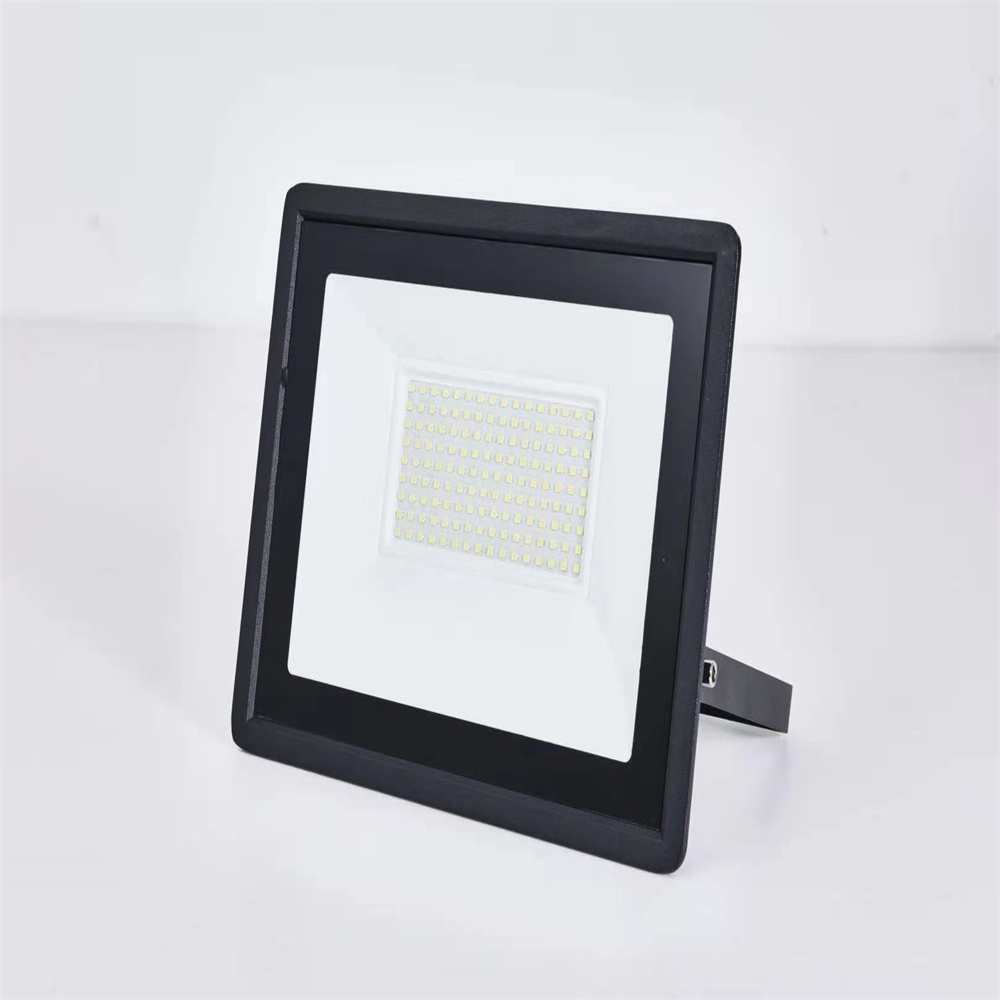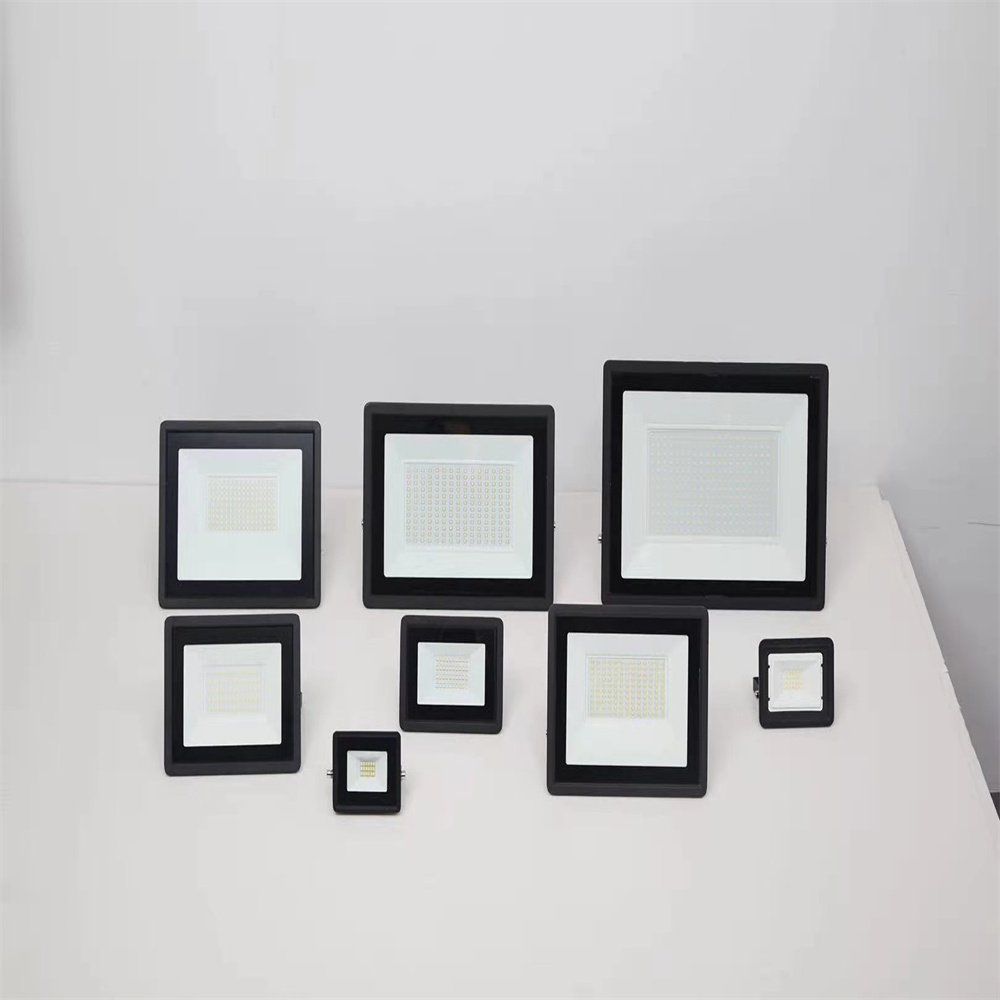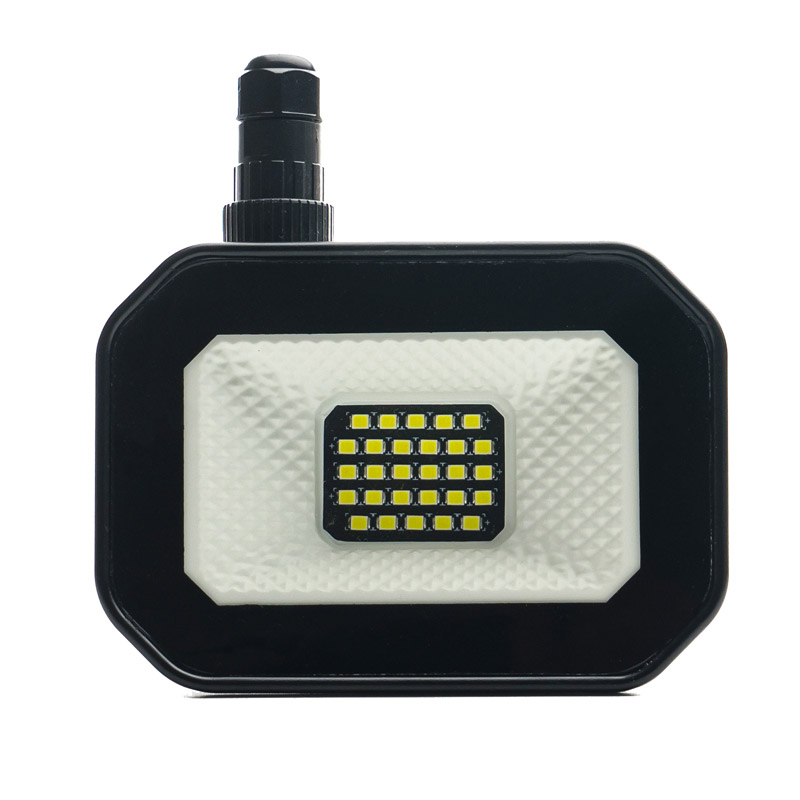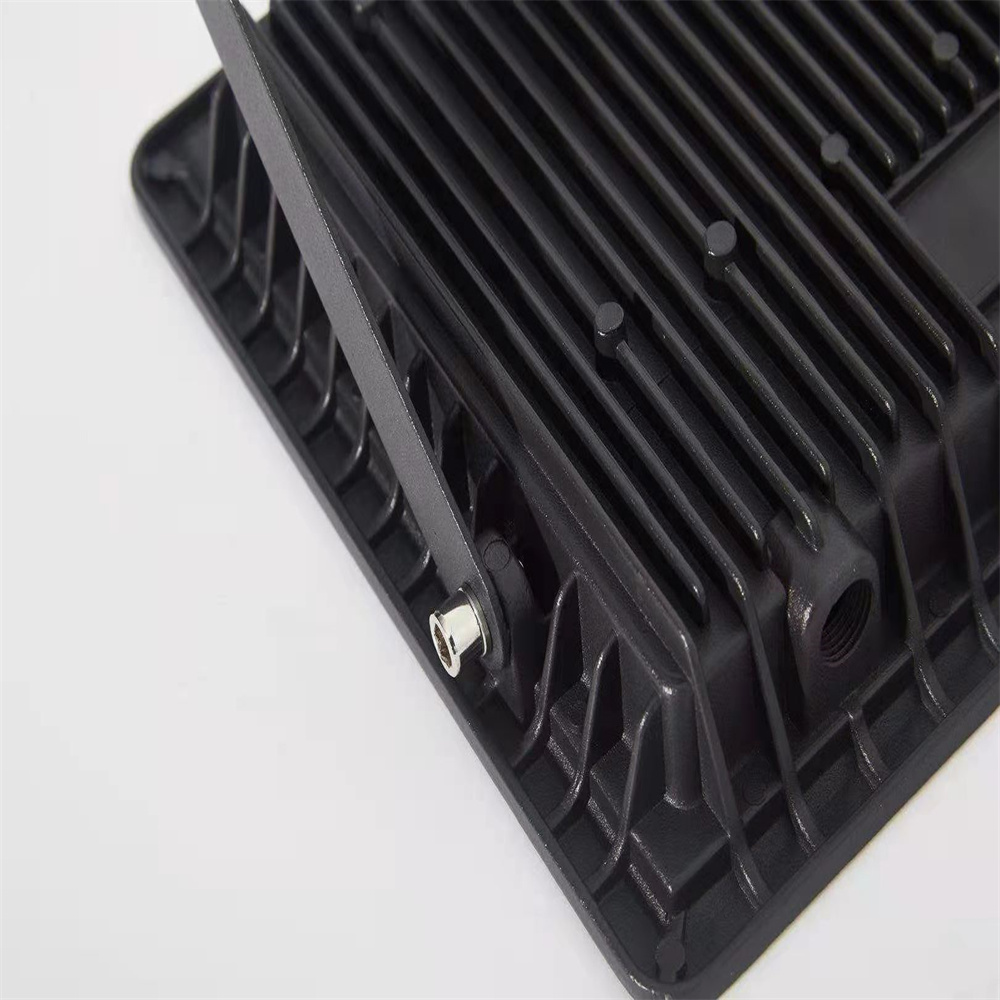
LED technology has revolutionized the lighting industry. Compared to traditional lighting solutions, it provides energy-efficient and cost-effective illumination for various applications. LED high bay fixtures—which are specifically designed for spaces with high ceilings—have become increasingly popular in industrial and commercial settings. But how do you choose the right LED high bay for your space? Here […]
LED technology has revolutionized the lighting industry.
Compared to traditional lighting solutions, it provides energy-efficient and cost-effective illumination for various applications. LED high bay fixtures—which are specifically designed for spaces with high ceilings—have become increasingly popular in industrial and commercial settings.
But how do you choose the right LED high bay for your space? Here are three helpful tips:
How to Choose the Right LED High Bay Fixtures
1. Consider The Wattage, Lumen Output, and Color Temperature
Lumens measure the amount of visible light produced by a light source, and the required lumens depend on the specific needs of your space. Where will you be using it and why?
Consider factors such as the size of the area, the recommended lighting levels for the industry or application, and the tasks that must be performed under the lights.
For example, if it’s just storage space, 300 lux is usually enough. Retail stores require a higher lux (about 800) because bright stores attract more customers.
The color temperature affects the ambiance and visibility in a space. For industrial and commercial settings, a color temperature between 4000K and 6000K is generally recommended, providing a cool, white light that enhances visibility and productivity
2. Think of The Spacing Between Lights and Beam Angle
Adequate spacing ensures uniform illumination across the entire area. Otherwise, it will result in the formation of dark spots and shadows, over-illumination, and uneven light distribution that leads to discomfort for occupants and potential safety hazards.
Conversely, excessive spacing might result in insufficient lighting, compromising visibility and overall functionality. Striking the right balance in spacing contributes to optimal performance, energy efficiency, and longevity of the LED high bay fixtures.
The beam angle determines the distribution of light in a given space. For high bay applications, a fixture with a wide beam angle is preferable to ensure uniform lighting across the entire area. Consider the layout of your space and choose a fixture with an appropriate beam angle to avoid dark spots and shadows.
3. What Kind of LED High Bay Light Fixture Do You Need?
High bay LED lights are available in different configurations, including round variants like UFO High bay lights and elongated options like LED Linear High Bay lights.
For spaces with a ceiling height of 15 feet, round lights are advisable due to their even light distribution and ease of installation.
Linear lights, on the other hand, are well-suited for areas with aisles. Opt for wide-angle style linear High bay LED lights at lower ceiling heights for optimal illumination.
Professional Evaluation of Your Lighting Needs
By carefully evaluating these aspects, you can select a lighting solution that not only meets your current needs but also provides long-term benefits in terms of energy savings and performance.
If you need help evaluating the kind of light you need for your specific space, we can help. Contact us or visit our website to learn more about our LED high bay fixtures.