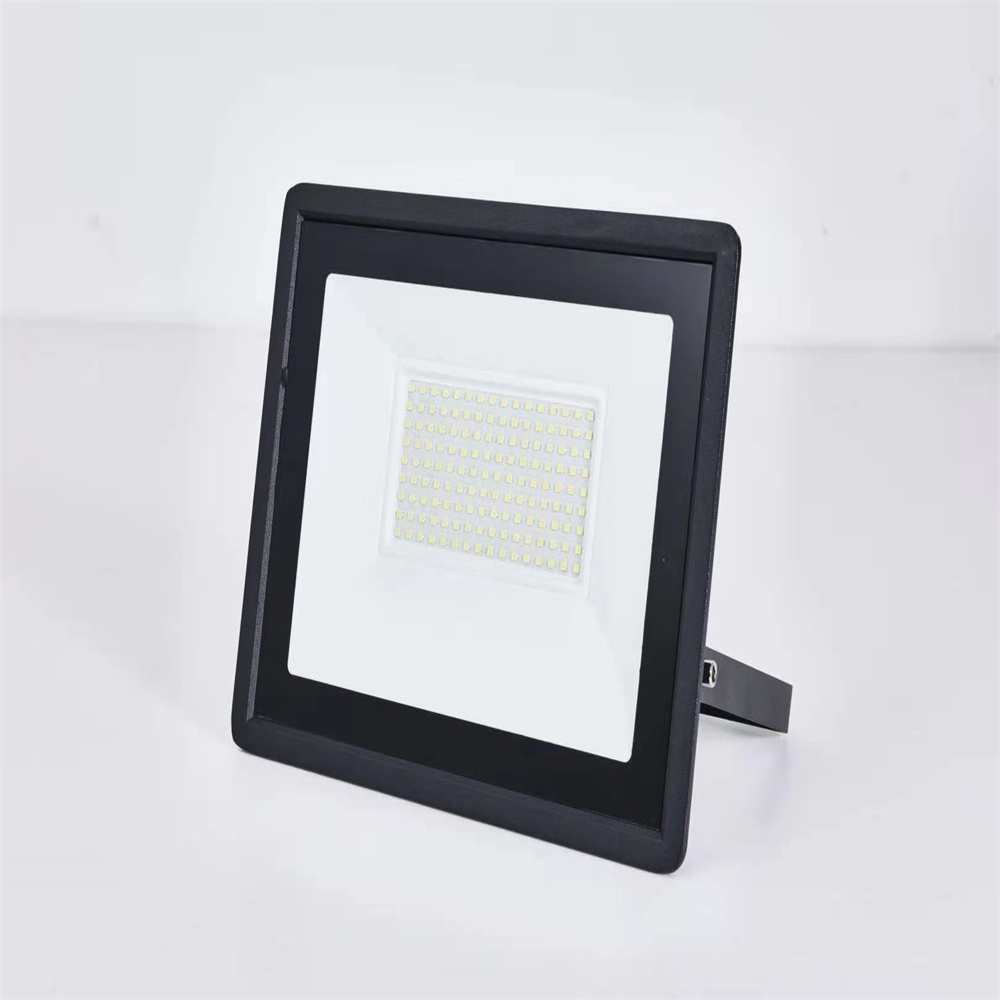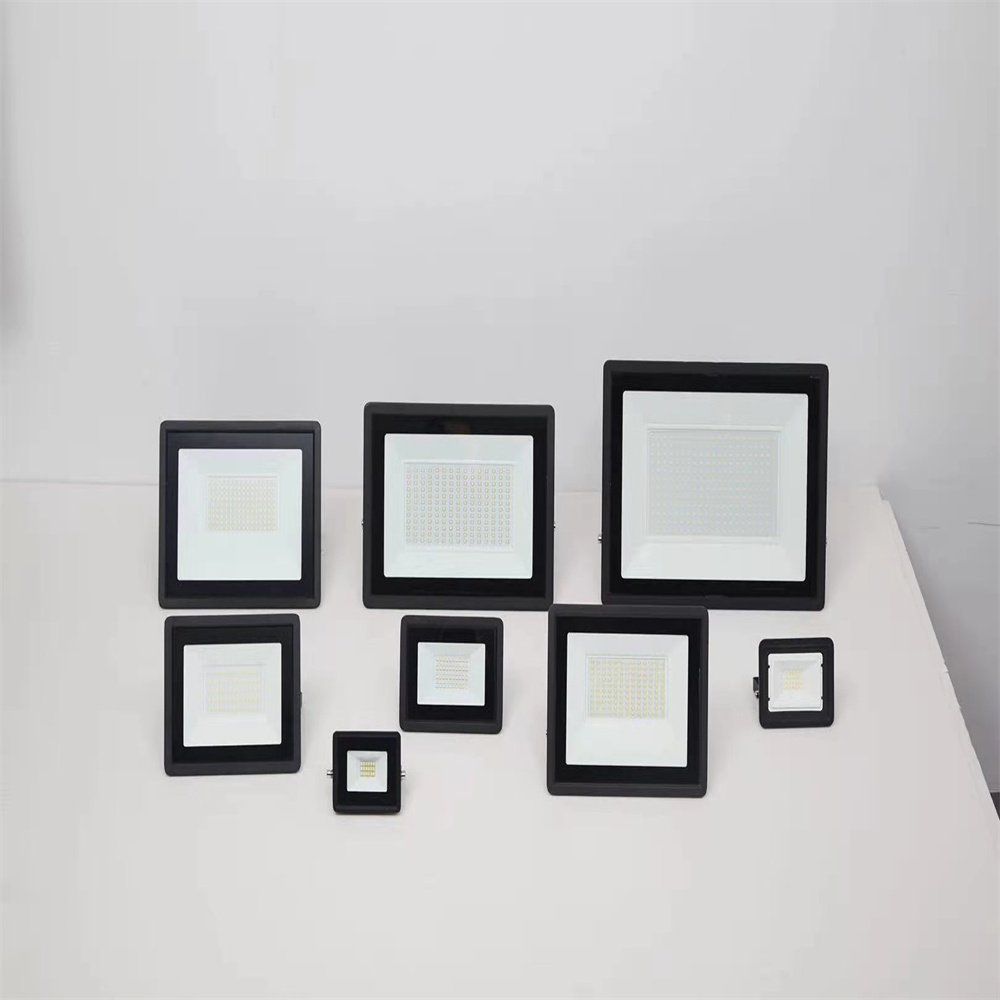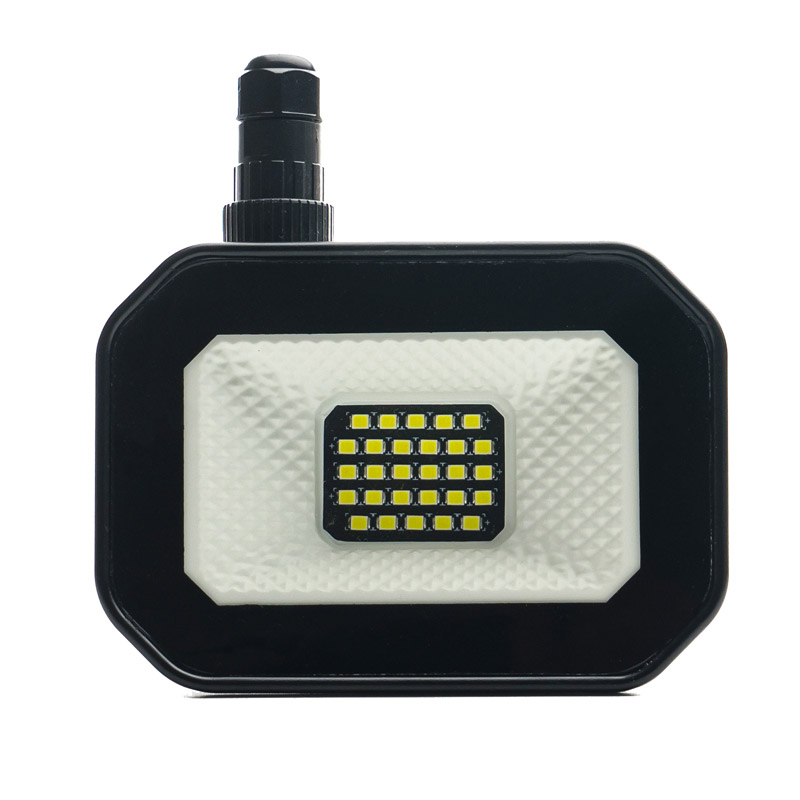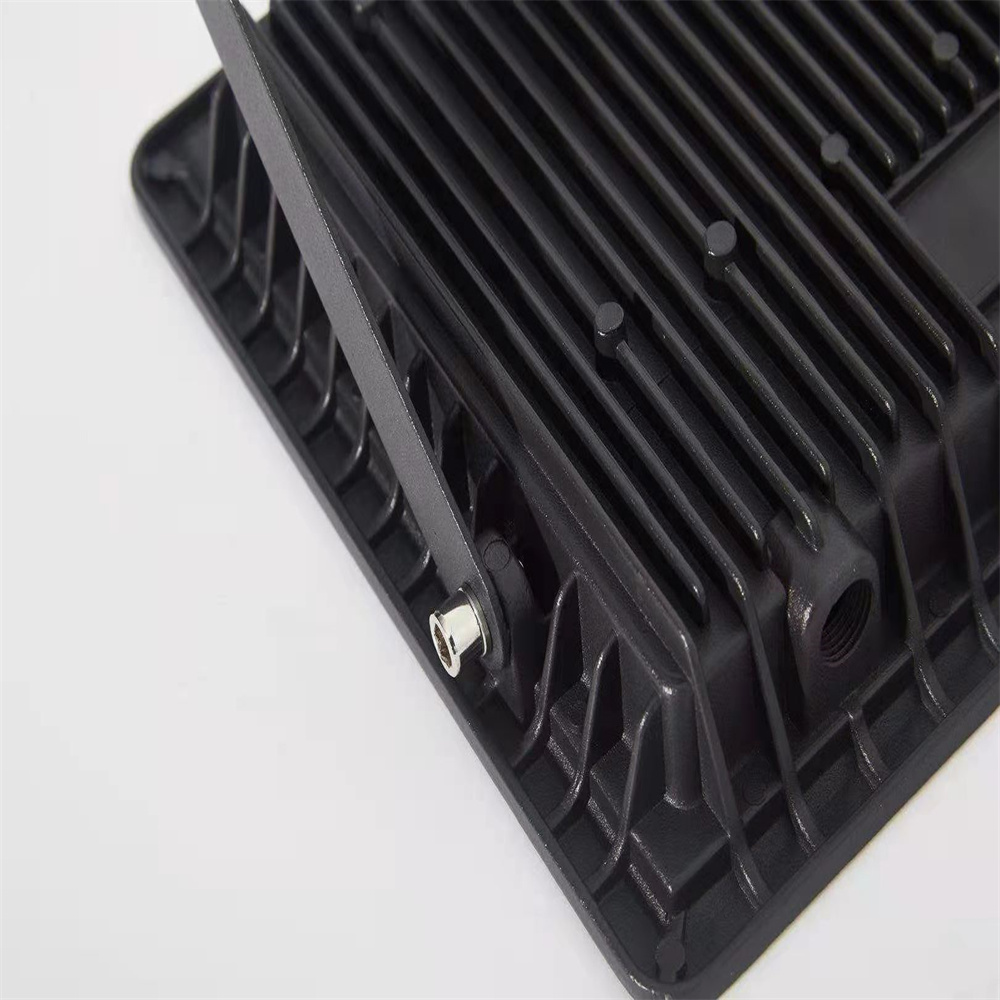
Dive into essential factors to consider when selecting these energy-efficient lights, including lumens, color temperature, and CRI.
In recent years, the lighting industry has witnessed a significant shift towards energy-efficient and high-performance solutions. Among these, UFO LED high bay lights have gained immense popularity for their versatility and effectiveness in various applications.
In this article, we will explore the applications of UFO LED high bay lights, factors to consider when selecting them, and a guide to lumens, color temperature, and CRI.
Additionally, we will compare UFO LED high bay lights with traditional lighting solutions like HID and fluorescent lights. Let’s begin!
What Applications of UFO LED High Bay
UFO LED high bay lights are characterized by their compact, circular design resembling a flying saucer, hence the name. These lights are widely used in spaces with high ceilings, typically ranging from 15 feet to 40 feet.
Some common applications include:
- Warehouses
- Manufacturing facilities
- Gyms and sports facilities
- Retail spaces
- Convention centers
- Exhibition halls
Factors to Consider When Selecting LED High Bay Lights
When choosing UFO LED high bay lights for a particular application, several factors should be taken into consideration.
One is lumens. Lumens indicate the total amount of visible light emitted by a light source. The higher the lumens, the brighter the light. The required lumens depend on the specific application and the size of the space.
Color temperature is measured in Kelvins (K) and represents the color appearance of the light. For industrial and commercial spaces, a color temperature in the range of 4000K to 5000K (cool white) is often preferred as it provides a bright and alert ambiance.
CRI (Color Rendering Index) measures how accurately a light source renders colors compared to natural sunlight. A higher CRI (usually 80 or above) is crucial for retail spaces where color accuracy is essential.
Comparison with Other Lighting Solutions
UFO LED high bay lights outperform HID lights in terms of energy efficiency, lifespan, and instant illumination. Unlike HID lights, LEDs do not require warm-up time, and they can be dimmed for additional energy savings.
How about fluorescent lights? While fluorescent lights have been a popular choice, they have limitations in terms of lifespan and environmental impact. UFO LED high bay lights have a longer lifespan, are mercury-free, and provide better light quality.
Led High Bay Lights That Exceed Expectations
LED high bay, particularly, UFO LED high bay lights, have a wide range of applications, providing efficient and high-quality lighting solutions for various industries.
If you’re looking for LED high bay lighting that not just meets standards but exceeds expectations, we can help.
When it comes to upgrading your lighting solutions, RRR Lighting stands out as the go-to choice for UFO LED high bay lights. Contact us or visit our website to learn more.