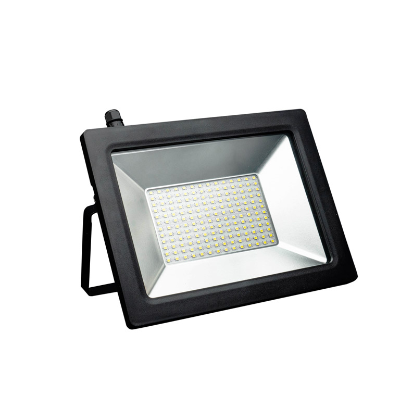
Streetlights play a major role in maintaining neighborhood beauty and community safety. However, setting them up might be challenging. It is now simpler to take on this project’s portion and get the necessary direction thanks to the comprehensive instruction on LED street light installation provided in this article. How to Install LED Street Lights Street […]
Streetlights play a major role in maintaining neighborhood beauty and community safety. However, setting them up might be challenging. It is now simpler to take on this project’s portion and get the necessary direction thanks to the comprehensive instruction on LED street light installation provided in this article.
How to Install LED Street Lights
Street light installation is a wise decision that addresses several issues in a community. You can install street lights effectively by following the methods listed in this article.
Evaluate the Level of Demand
It’s crucial to assess the demand in the region you want to target before you begin installing street lighting. Examine the area where you want to place the lights to determine how well-lit it is currently and if you really need them there.
If there are lights present already, ensure sure they are operating as intended. If not, you may have to add additional or replace them.
Consider factors like the number of automobiles that pass through, the level of crime, the amount of money you have to spend, and the number of people who stroll about if there aren’t any lights yet. Additionally, be sure to look for any safety concerns that can interfere with your goals.
By preventing accidents and making it more difficult for terrible things to happen in the dark, installing these lights will significantly improve safety.
Get the Necessary Permits
You must adhere to the regulations established by the local government in order to install street lights appropriately. Examine the rules and get the necessary permissions beforehand.
Permits from the local government or the utility provider are required, depending on where you want to put the lights. You may use these permits to find out all the information you want, including what sort of lamps and bulbs to use for the lighting.
Select the Appropriate Equipment
After obtaining your permission, it’s time to choose the appropriate tools for the task. Selecting the kind of lights, poles, or bulbs you choose to utilize is necessary. For instance, you will need to choose between street lights that are solar, halogen, or LED.
Due to its ability to store solar energy during the day and utilize it at night, solar-powered streetlights are ideal for locations without simple access to power. On the other hand, LED street lights have a reputation for being long-lasting and energy-efficient.
Always choose lighting that complements the space in which it will be put. Choose lights with a brighter color temperature for busier highways. To make lighting easier on the eyes in residential environments, use lights with a warmer, more natural tint.
Lay out the Location and Install the Light Poles
Before you begin installing the LED street light pole, take your time. Here’s the street light pole installation procedure.
First, mark out the locations of each light. Mark the locations of the poles and measure the distance between each site. To prevent any mishaps, proper spacing is essential. You won’t have enough light if they are too close together; you’ll have dark areas if they are too far apart.
After marking the sites, you are ready to start the installation procedure. A street light pole is rather easy to install. Dig a hole first, then insert the pole into it. Then, before fastening the light fixture, pour concrete to make sure it is securely in place.
Verify the pole’s installation’s height and angle. Taking into account the road’s width and the required brightness level can help you decide this. Installing poles between 15 and 25 feet height usually maximizes visibility.
Connect your Wiring
After completing the previous steps, it is now time to connect the wiring.
Prior to attaching the wire to the luminaire, first connect a wire conduit to the power source. To prevent any electrical concerns, it is essential to make sure that your wire is firmly installed and properly grounded. You should absolutely stay away from this at all costs.
Test the Street lights
It’s time to see the outcome of your labor once you’ve completed putting the lights. To ensure that they are all functioning correctly, test each light. Assess the brightness levels and look for any flickering.
Maintain your Efforts
Streetlight installation is just the first step in maintaining them; continuous care is essential to their proper operation.
For best brightness, keep any dirt from the light fixtures clean on a regular basis. To keep LED street light bulbs bright, change them as needed.
Do not wait around if you see any problems. For quick repairs to address any damage and find any hidden issues, give a specialist a call.
Read Next: How To Maintain Solar LED Street Light