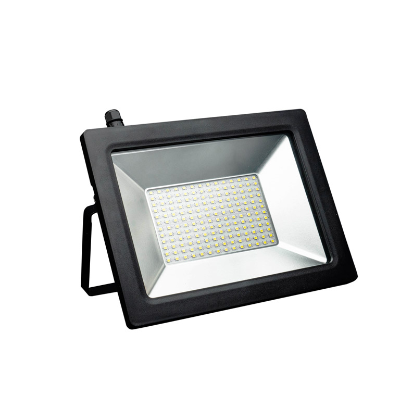
In recent years, LED flood lights have gained immense popularity for their energy efficiency, longevity, and versatility in various applications—from outdoor security lighting to illuminating sports arenas. Installing and maintaining an LED flood light is an easy, straightforward process with the right guidance. This post will walk you through the steps to ensure a successful […]
In recent years, LED flood lights have gained immense popularity for their energy efficiency, longevity, and versatility in various applications—from outdoor security lighting to illuminating sports arenas.
Installing and maintaining an LED flood light is an easy, straightforward process with the right guidance. This post will walk you through the steps to ensure a successful installation. We will also include tips on how to maintain your LED flood lights for optimal performance.
Installation
Choose the Right LED Flood Light
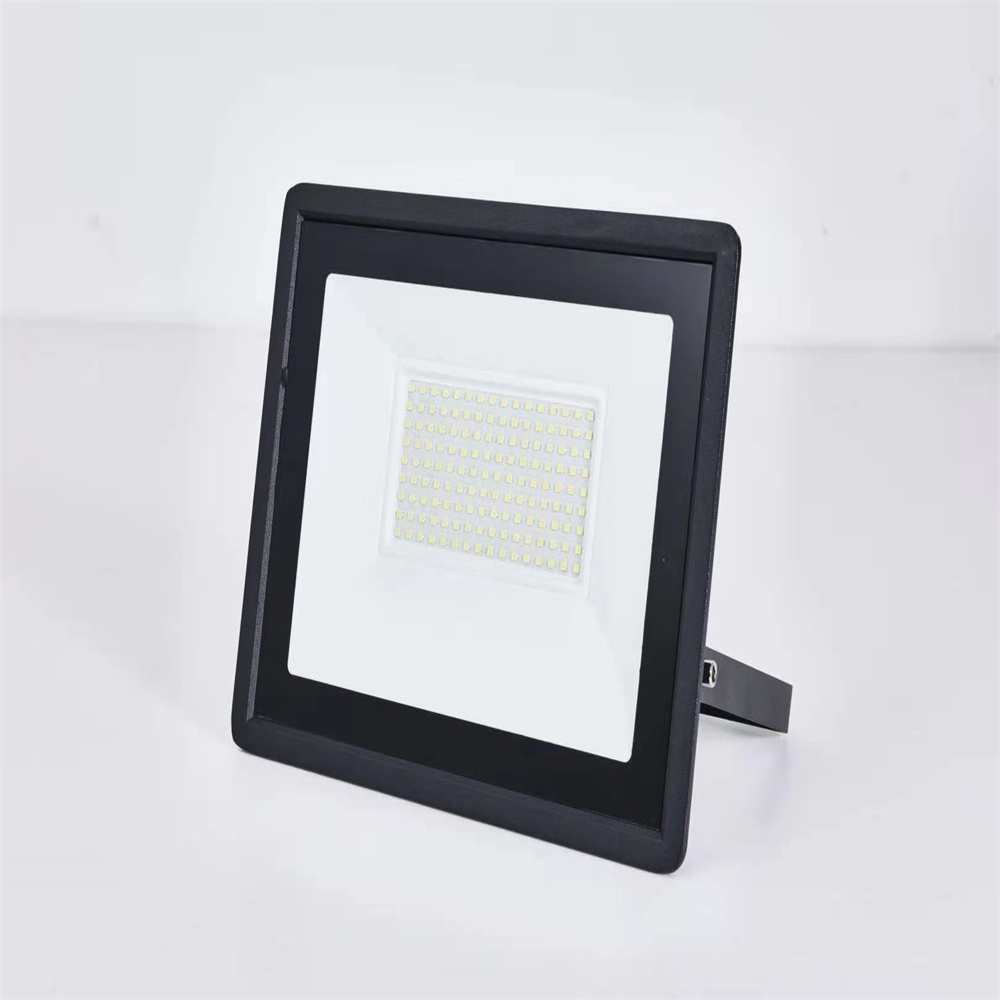
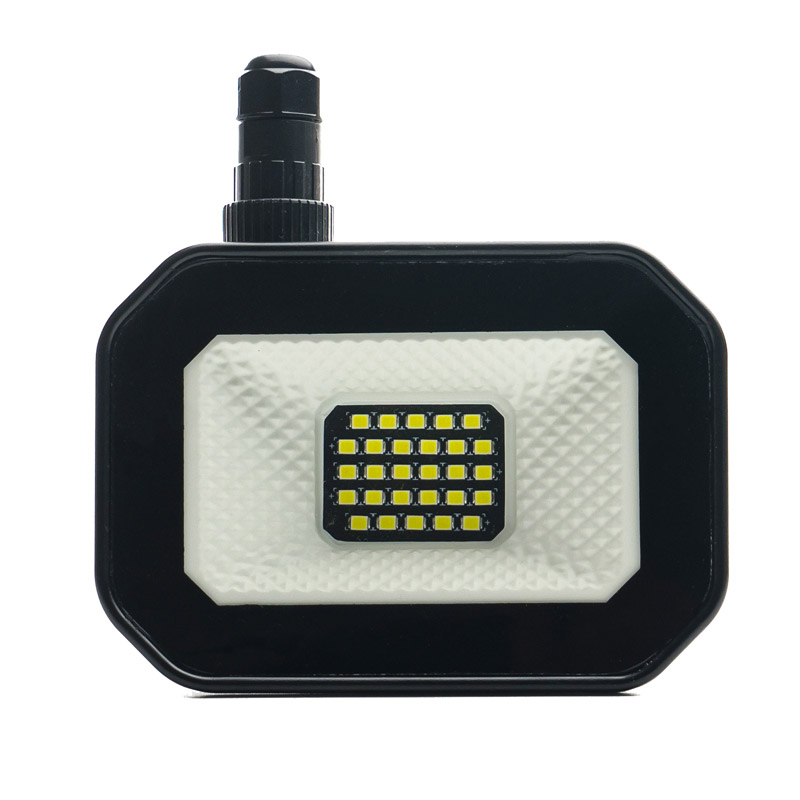
Before installation, select LED flood lights that suit your specific needs. Consider factors such as brightness, color temperature, and beam angle. Ensure that the outdoor LED flood lighting you select is indeed suitable for outdoor use and is rated for the intended environment.
Gather Necessary Tools and Equipment
Make sure you have all the tools required for installation:
- Ladder
- Screwdrivers
- Wire strippers
- Waterproof connectors
Also, check the manufacturer’s instructions for any specific tools recommended for your LED flood light.
Turn Off Power
Safety first! Before starting the installation, turn off the power to the area where you’ll be working. This can usually be done at the circuit breaker. Use a voltage tester to confirm that the power is off before proceeding.
Mounting the Fixture
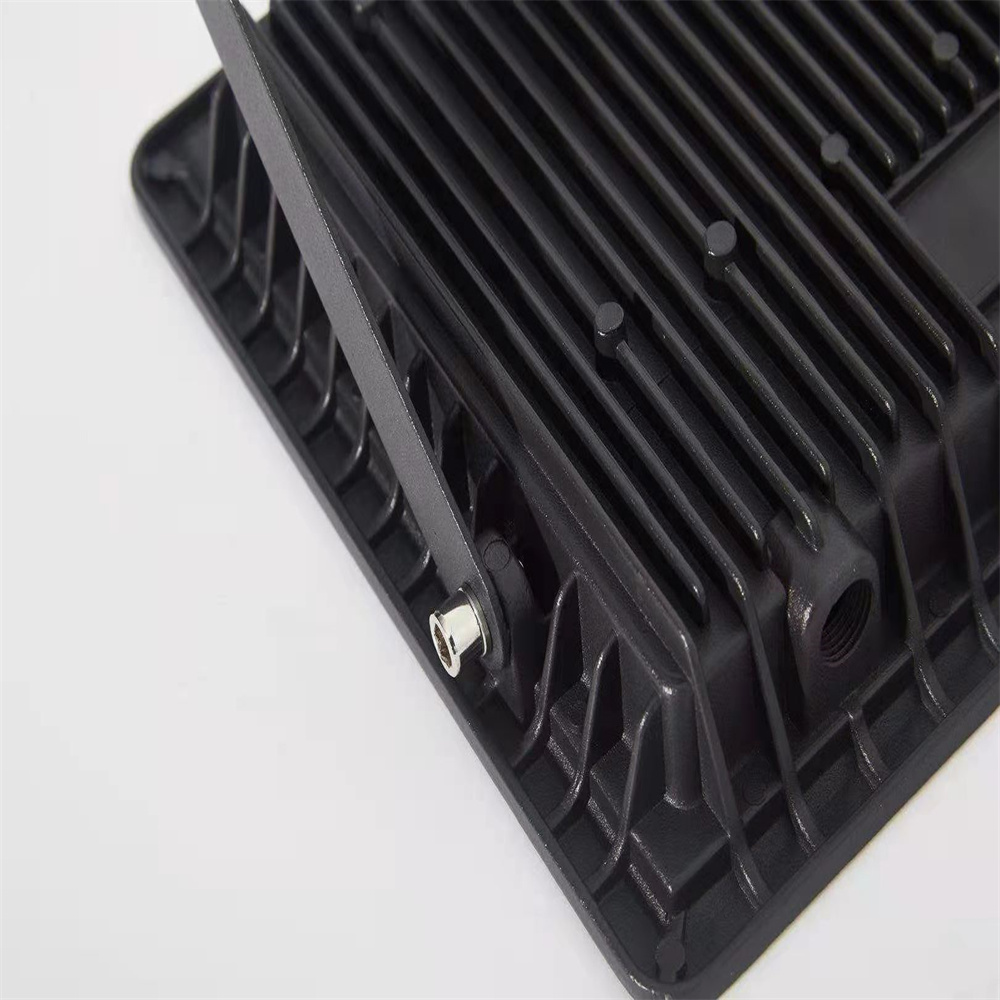
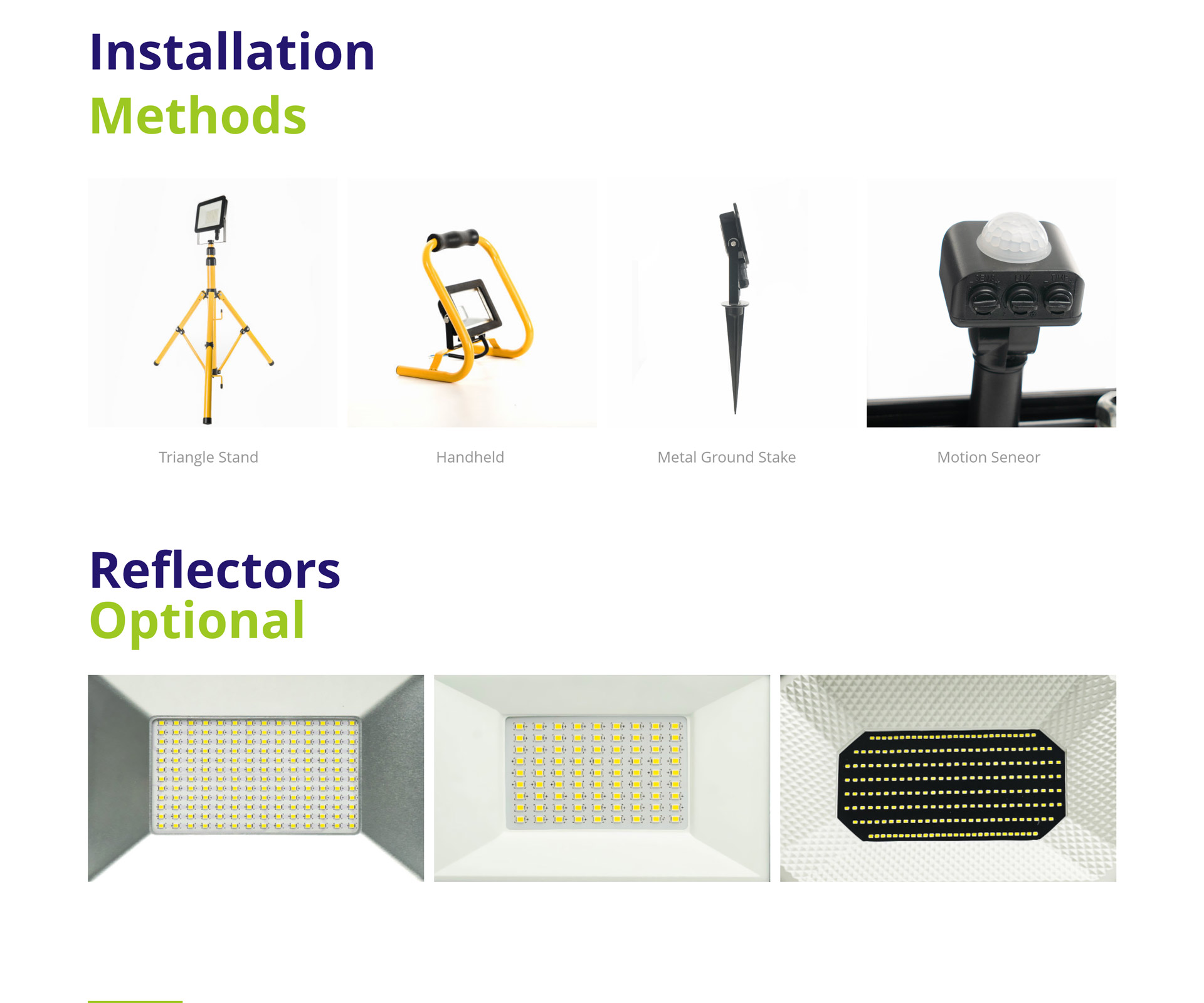
Securely mount the LED flood light on a stable surface, ensuring that it is positioned according to your lighting requirements. Follow the manufacturer’s guidelines for the recommended mounting height and angle.
Wiring
Carefully connect the wiring, making sure to match the correct wires from the fixture to those in your electrical supply. Utilize waterproof connectors to protect the connections from the elements. If you’re uncertain about the wiring process, consult a qualified electrician.
Adjustments and Testing
Make any necessary adjustments to the angle or direction of the light. Turn the power back on and test the fixture to ensure it is working correctly. Adjust settings, such as motion sensors or timers, if applicable.
Maintenance Tips
To prolong the life of your LED flood light, use a soft cloth or a gentle spray of water to clean the lens of dirt, dust, and other debris that may accumulate over time. Avoid using abrasive materials that could scratch the surface.
Regularly inspect your LED flood light for any signs of damage, including cracked lenses or exposed wiring. If you notice any issues, address them promptly to prevent further damage or reduced performance.
Ensure that the seals and gaskets on your LED flood lights are intact to prevent water from entering the fixture. Water ingress can damage the internal components and compromise the longevity of the light.
If you notice a decrease in brightness or flickering, it could be a sign of a potential issue. Investigate the cause, which may include loose wiring, a faulty driver, or other internal problems.
Outdoor LED Flood Lighting That Lasts
Installing and maintaining an LED flood light is a manageable task with the right preparation and attention to detail. By following these guidelines, you can enjoy the benefits of energy-efficient and durable outdoor lighting for years to come.
You can optimize it better by using high-quality LED flood lights from RRR Lighting. We provide outdoor LED lighting for over 30 years to customers in over 60 countries.
Contact us or visit our website now to check out our extensive range of LED flood lights.