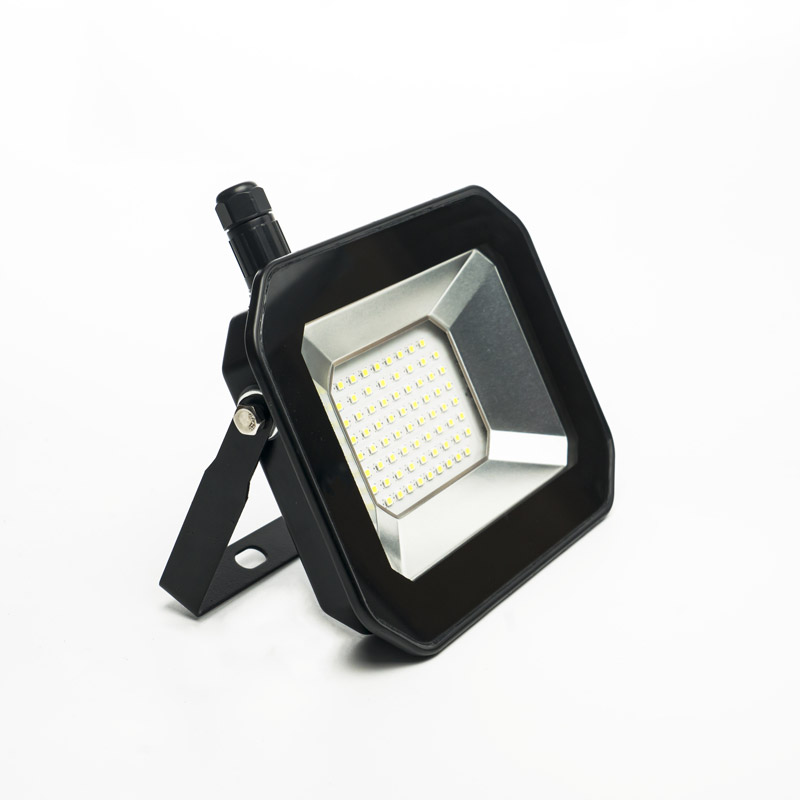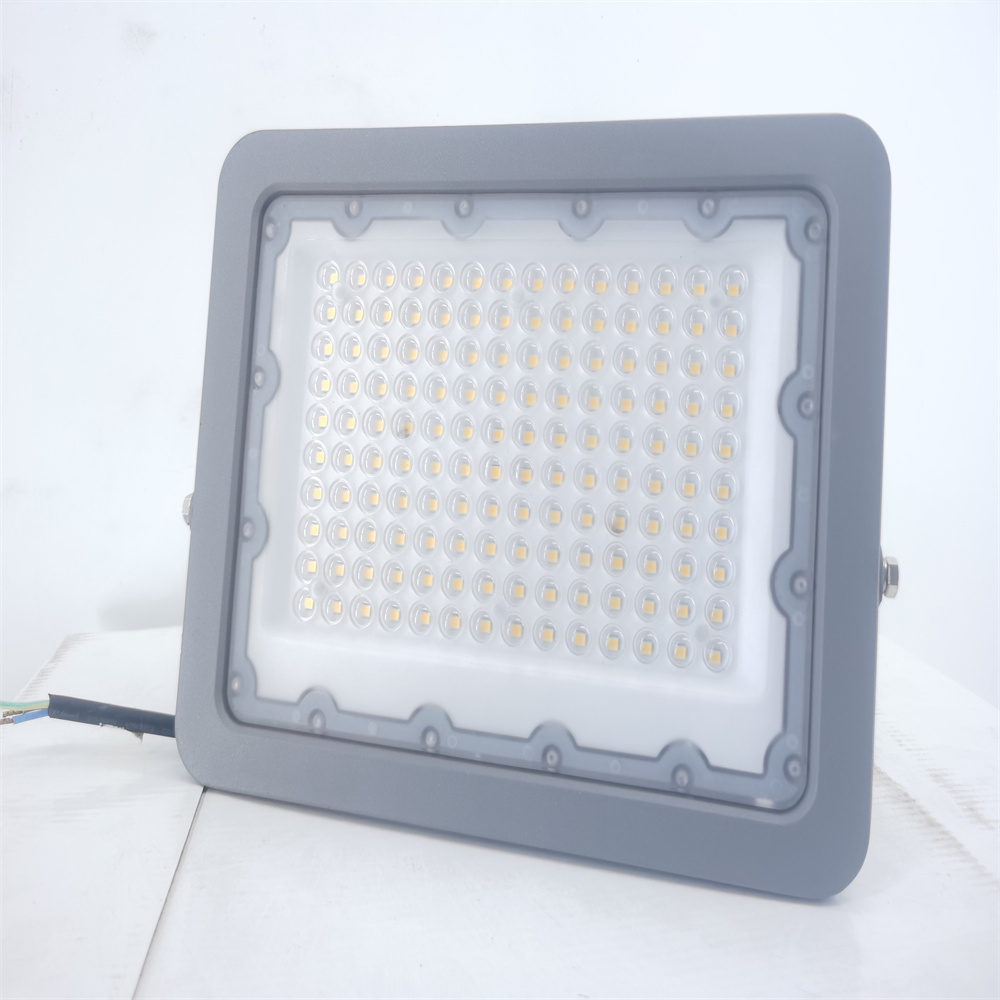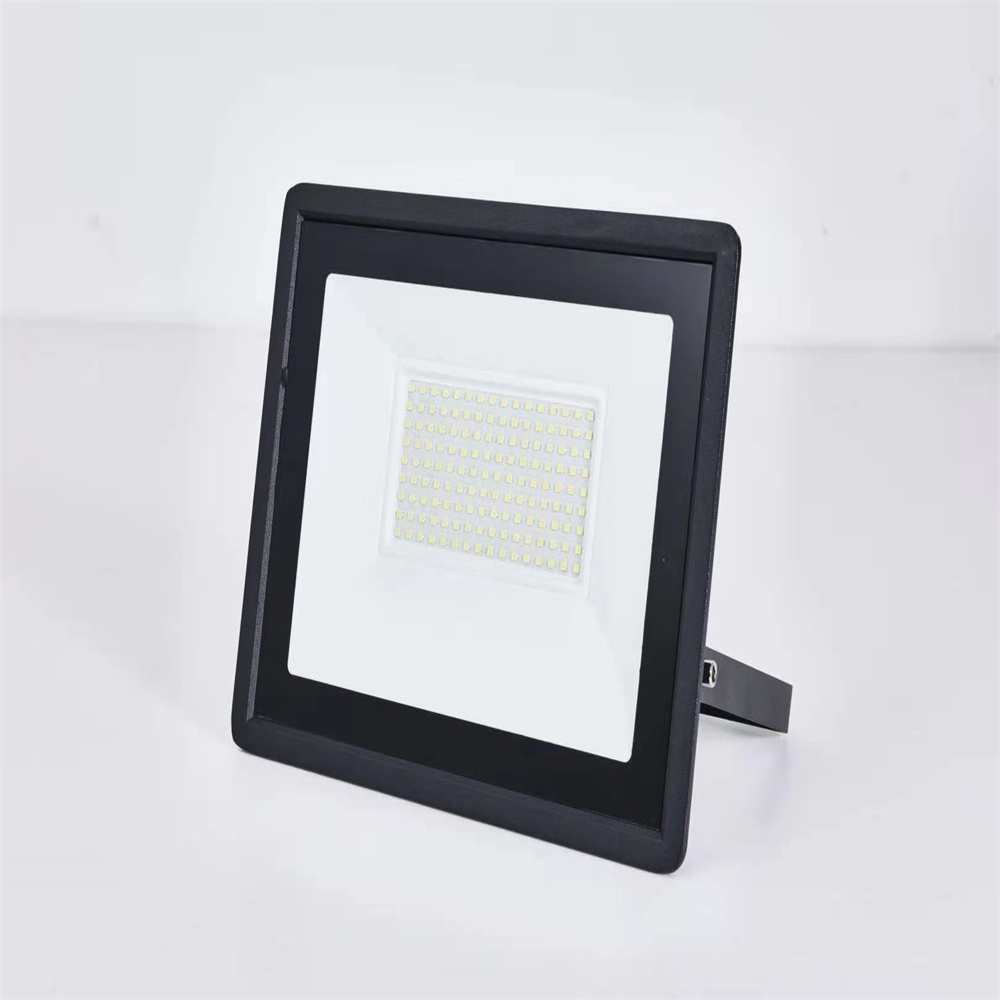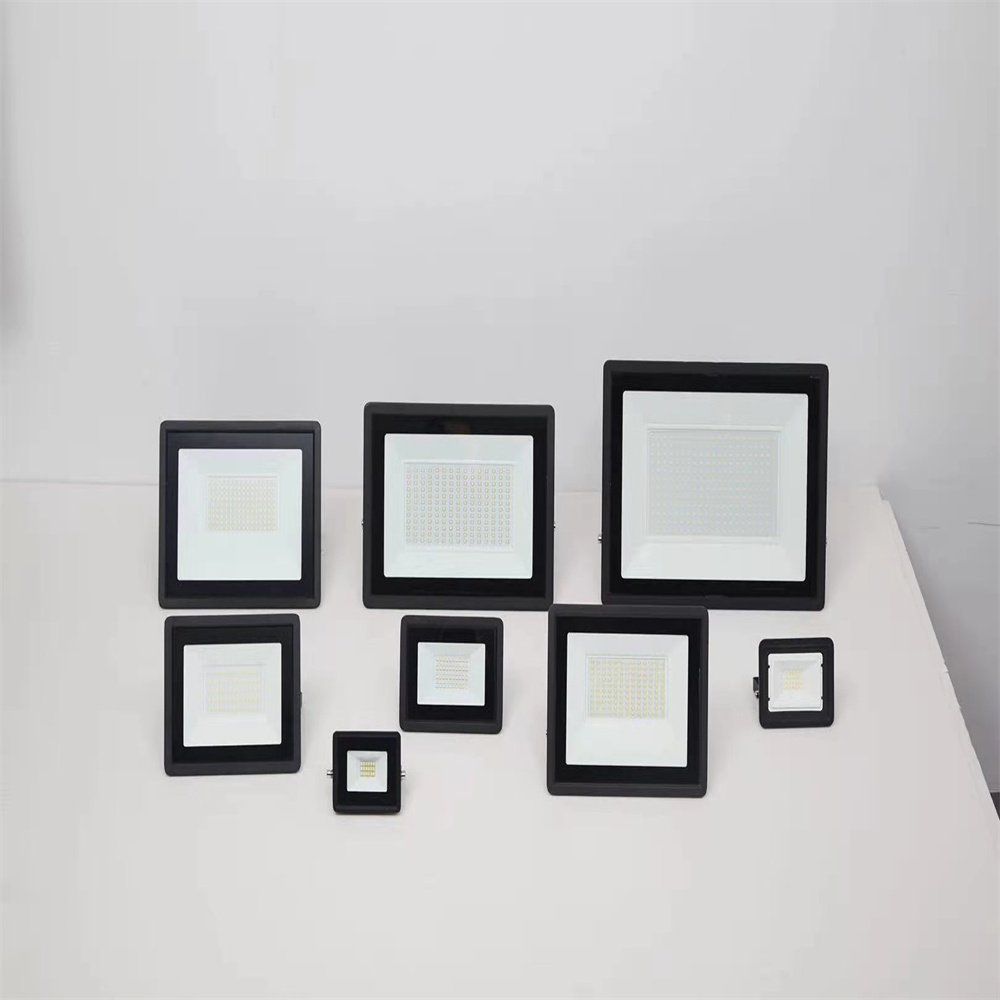
Choose a permanent outdoor LED flood light when the fixture will be mounted and left in place for years; choose a temporary work-site light when illumination moves with the crew – construction phases, emergency repair, or event setup. The difference is portability, power source, and impact resistance versus fixed mounting, weatherproofing, and long-term thermal design. […]
Choose a permanent outdoor LED flood light when the fixture will be mounted and left in place for years; choose a temporary work-site light when illumination moves with the crew – construction phases, emergency repair, or event setup. The difference is portability, power source, and impact resistance versus fixed mounting, weatherproofing, and long-term thermal design. RRR Lighting’s cataloged range is built as permanent outdoor fixtures (die-cast aluminum, IP65, 50,000–100,000h life), so the temporary side of this comparison is a buyer’s decision framework rather than a separate RRR SKU.
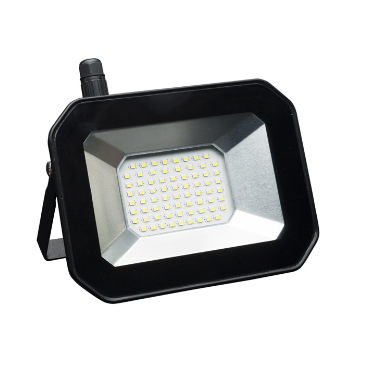
What Defines a Permanent Outdoor Flood Light?
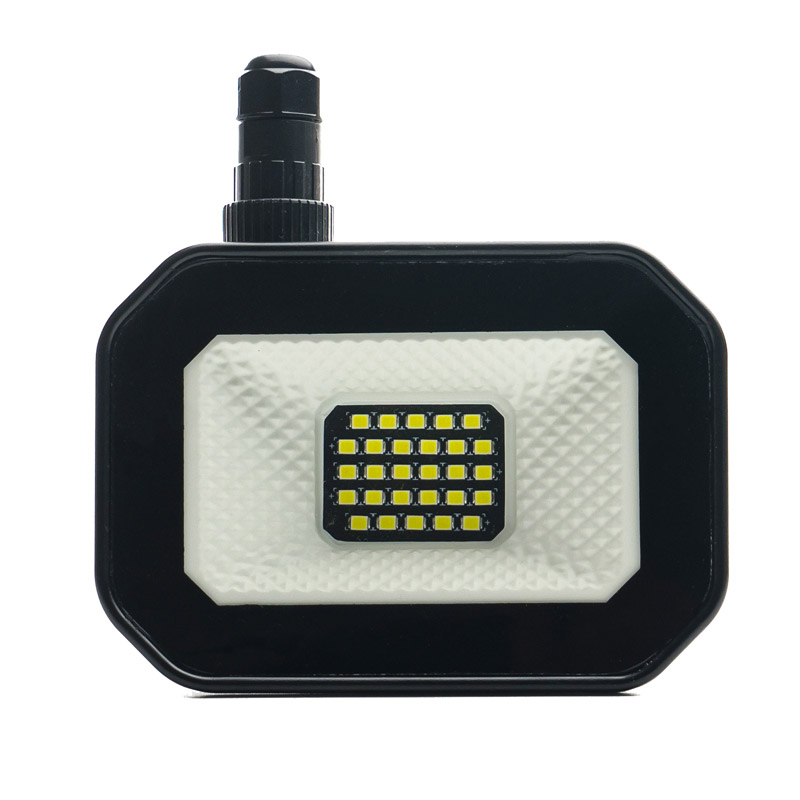
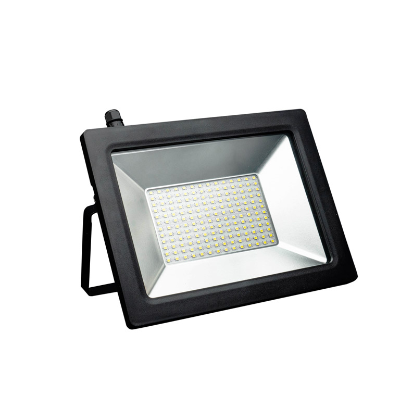
Permanent fixtures are installed once and expected to run for years. RRR Lighting’s flood lights are engineered for exactly this:
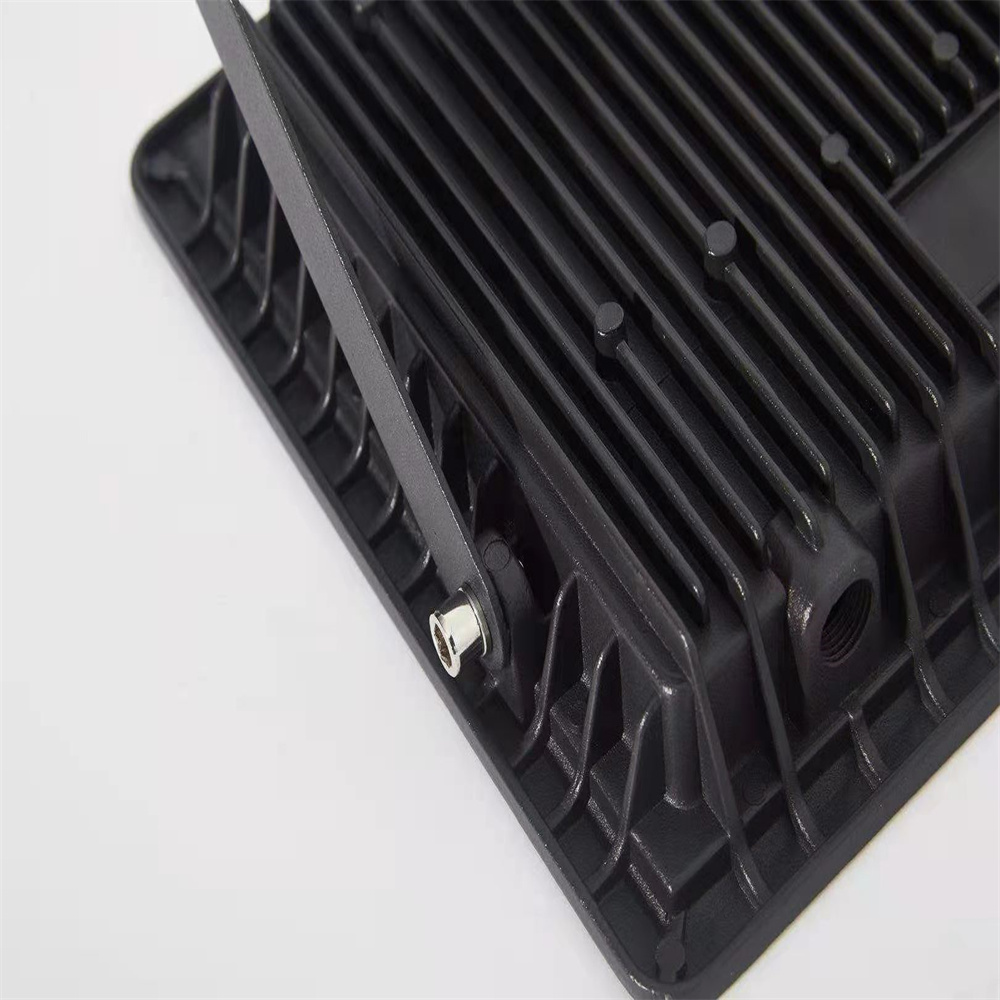
- Heavy-duty die-cast aluminum housing with tempered (heat-resistant) lenses.
- IP65 ingress protection – dust-tight and jet-water resistant.
- Waterproof breathable membrane and finned heat sinks for long life.
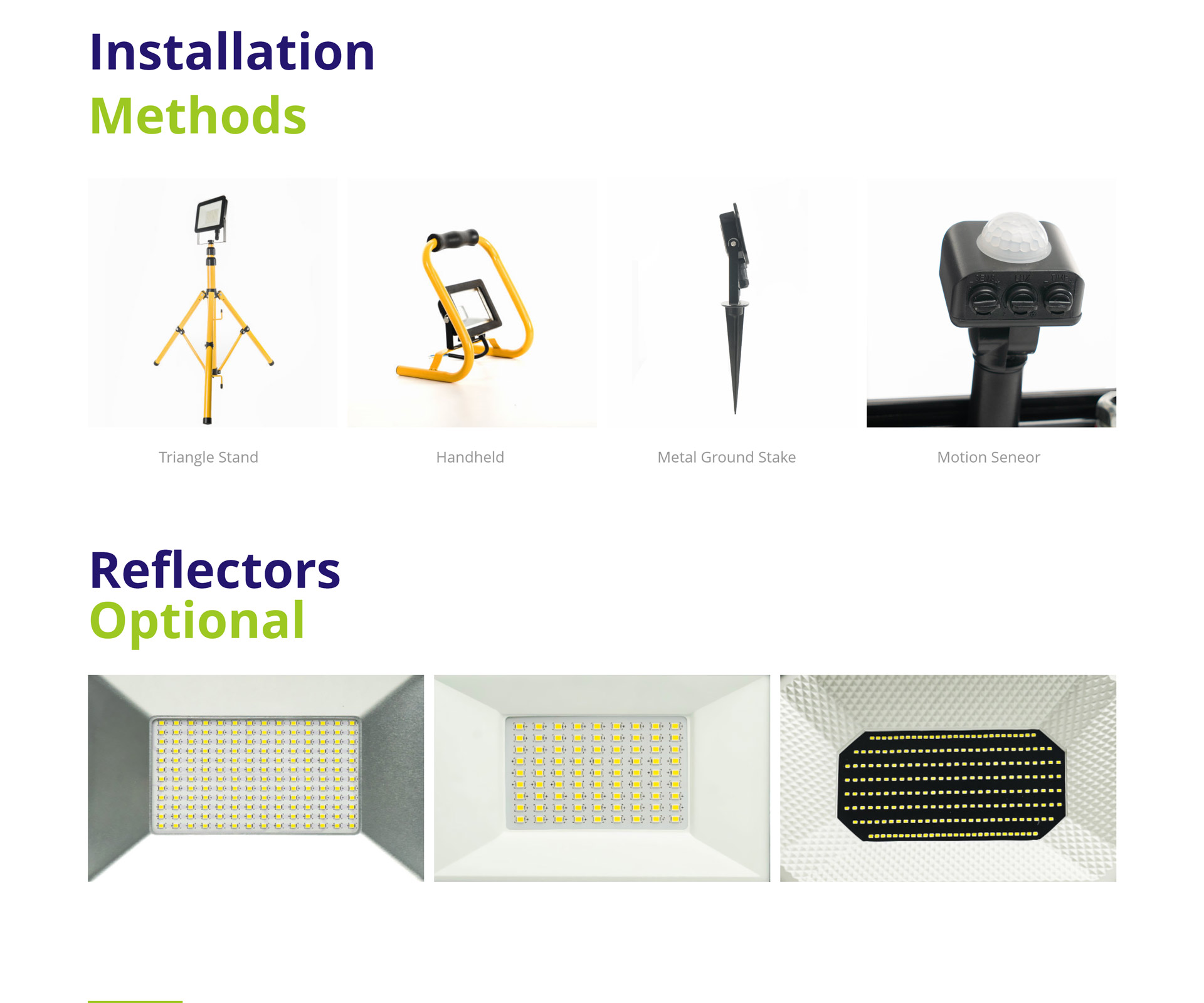
- Adjustable mounting – wall, pole, triangle stand, or ground stake.
- CE, RoHS, FCC, EMC certifications and in-house testing.
- Lifespan rated at 50,000–100,000 hours.
See the LED flood lights category page y RRR Lighting’s installation-options guide.
What Defines a Temporary Work-Site Light?
Temporary lights are tools, not infrastructure. The attributes that matter:
- Portability – lightweight, with a handle, hook, or tripod.
- Plug-and-play power – generator-ready, rechargeable battery, or quick-connect.
- Impact resistance – a high IK rating and a rugged cage to survive drops and knocks.
- Quick deployment – no trenching, no licensed fixed wiring for the light itself.
- Re-positionability – moved daily as the work front advances.
Because RRR Lighting’s listed flood lights are permanent/outdoor designs, confirm with the supplier whether a portable or temporary-rated variant is available before specifying one for a moving work front.
Temporary vs Permanent: Side-by-Side
| Factor | Temporary work-site light | Permanent outdoor flood light |
|---|---|---|
| Mounting | Portable, tripod, hung, or clamped | Fixed wall/pole/ground-stake |
| Power | Battery, generator, quick-connect | Hardwired mains |
| Durability focus | IK impact resistance, drop survival | IP65 weatherproofing, long thermal life |
| Lifespan expectation | Project-length, heavy handling | 50,000–100,000 hours |
| Best for | Construction phases, repair, events | Yards, parking, facades, perimeters |
Which Should You Specify?
- Need light that follows the crew? Go temporary – portable, impact-rated, generator/battery-ready.
- Need light that stays for years? Go permanent – RRR Lighting’s die-cast aluminum, IP65 fixtures such as the WL71 100W–200W, WL78, or WL85.
- Mixed site? Use temporary lights during build-out, then permanent fixtures for the finished install.
How to Decide and Deploy
- Map the timeline – days/weeks (temporary) vs years (permanent).
- Check power access – no mains nearby favors battery/generator temporary units.
- Assess abuse risk – high IK rating for moving work fronts.
- Confirm weatherproofing – IP65 for anything left outside (RRR standard).
- Plan the permanent layer – specify die-cast aluminum, breathable-membrane fixtures for the long term.
For permanent-install detail, read how to install and maintain LED flood lights y what material is best for outdoor lighting.
Frequently Asked Questions
Can I use a permanent flood light as a temporary work light?
You can for short jobs, but permanent fixtures lack the portability, battery power, and high IK impact cage that moving work fronts need. They’re built for fixed, weatherproof, long-life service rather than daily handling.
What IP rating do temporary outdoor lights need?
Anything used outdoors should still meet IP65 (dust-tight, jet-water resistant) so a rain shower doesn’t end the shift. RRR Lighting’s permanent fixtures meet this as standard.
Does RRR Lighting make portable/temporary work lights?
RRR Lighting’s listed flood lights are permanent/outdoor designs (die-cast aluminum, IP65, 50,000–100,000h). Confirm with the supplier whether a portable or temporary-rated variant is available before specifying.
What does IK rating mean for a work light?
IK rating measures impact resistance – how well the fixture survives knocks and drops. Temporary site lights need a higher IK rating than fixed installations because they’re handled and exposed to debris.
Why choose die-cast aluminum for permanent fixtures?
Die-cast aluminum moves heat away from the LEDs, resists corrosion when maintained, and supports the long lifespans (50,000–100,000h) RRR Lighting engineers into its flood lights.
Should I mix temporary and permanent on one site?
Yes – it’s common to run portable temporary lights during construction, then install permanent fixtures for the finished, maintained state of the site.