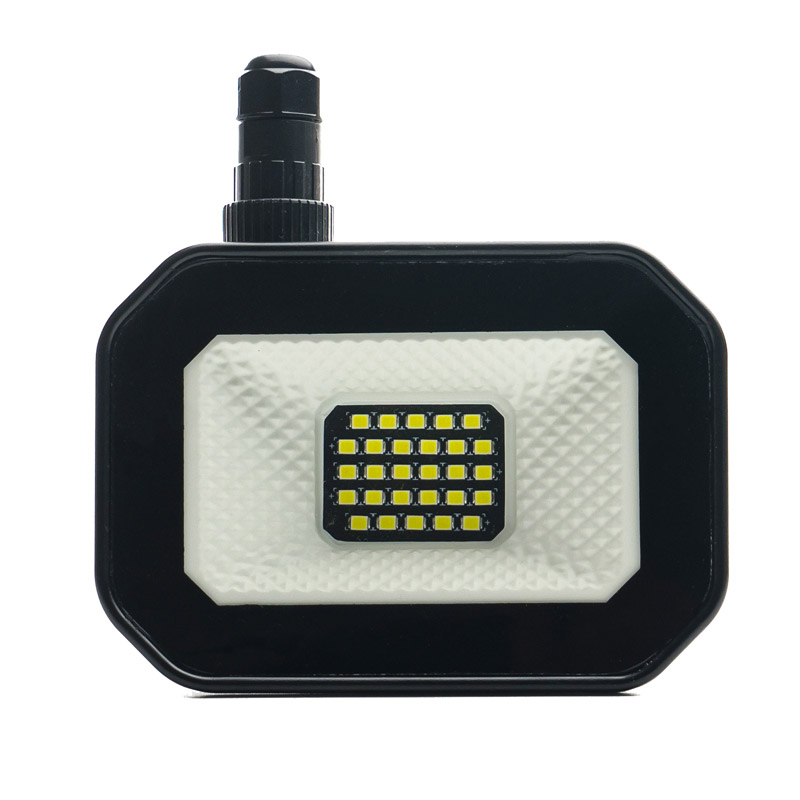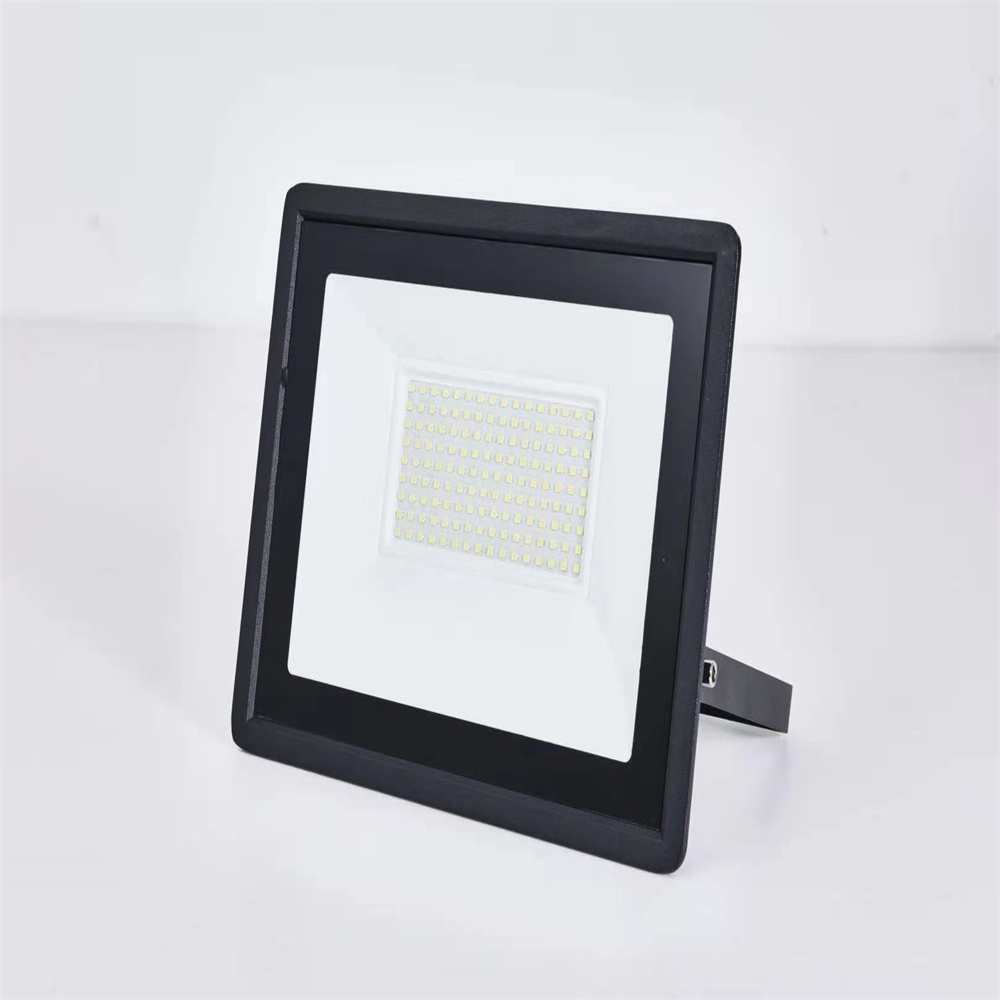
Choose an outdoor LED flood light by matching wattage and beam spread to the area size and mounting height, then confirming ingress protection and housing durability for the environment. For most yards, parking lots, and warehouse perimeters, a 50W–200W fixture with an IP65 die-cast aluminum housing delivers the right balance of brightness, efficiency, and lifespan. […]
Choose an outdoor LED flood light by matching wattage and beam spread to the area size and mounting height, then confirming ingress protection and housing durability for the environment. For most yards, parking lots, and warehouse perimeters, a 50W–200W fixture with an IP65 die-cast aluminum housing delivers the right balance of brightness, efficiency, and lifespan. This guide walks B2B buyers, contractors, and facility engineers through the selection steps and the verified specs that matter.
What Does “General Area Lighting” Actually Cover?
General area lighting is broad, uniform illumination of open outdoor spaces rather than task or accent lighting. Typical scenarios include:
- Private yards and residential grounds – driveways, lawns, and perimeter security.
- Parking lots and garages – vehicle and pedestrian circulation areas.
- Warehouse and factory perimeters – loading docks, yard storage, and building facades.
- Building exteriors and facades – where the light must read cleanly from a distance.
RRR Lighting classifies flood lights into three buckets – residential, commercial, and industrial – and general area lighting usually draws from the commercial and industrial ranges for durability and lumen output.
How Much Wattage Do Yards, Parking Lots, and Warehouses Need?
Wattage sets the energy draw; lumens set the brightness. Because LEDs are far more efficient than halogen or HID, you get more light per watt. RRR Lighting’s own wattage guidance groups outdoor flood lights as follows:
| Solicitud | Typical area | Recommended wattage | Why |
|---|---|---|---|
| Garden, patio, pathway accent | Small residential | 10–30W | Subdued, decorative illumination |
| Driveways, parking lots, large yards | Medium–large | 40–100W | Security and visibility are paramount |
| Commercial sites, stadiums, large yards | Large / high-mast | 100W+ | Maximum visibility over distance |
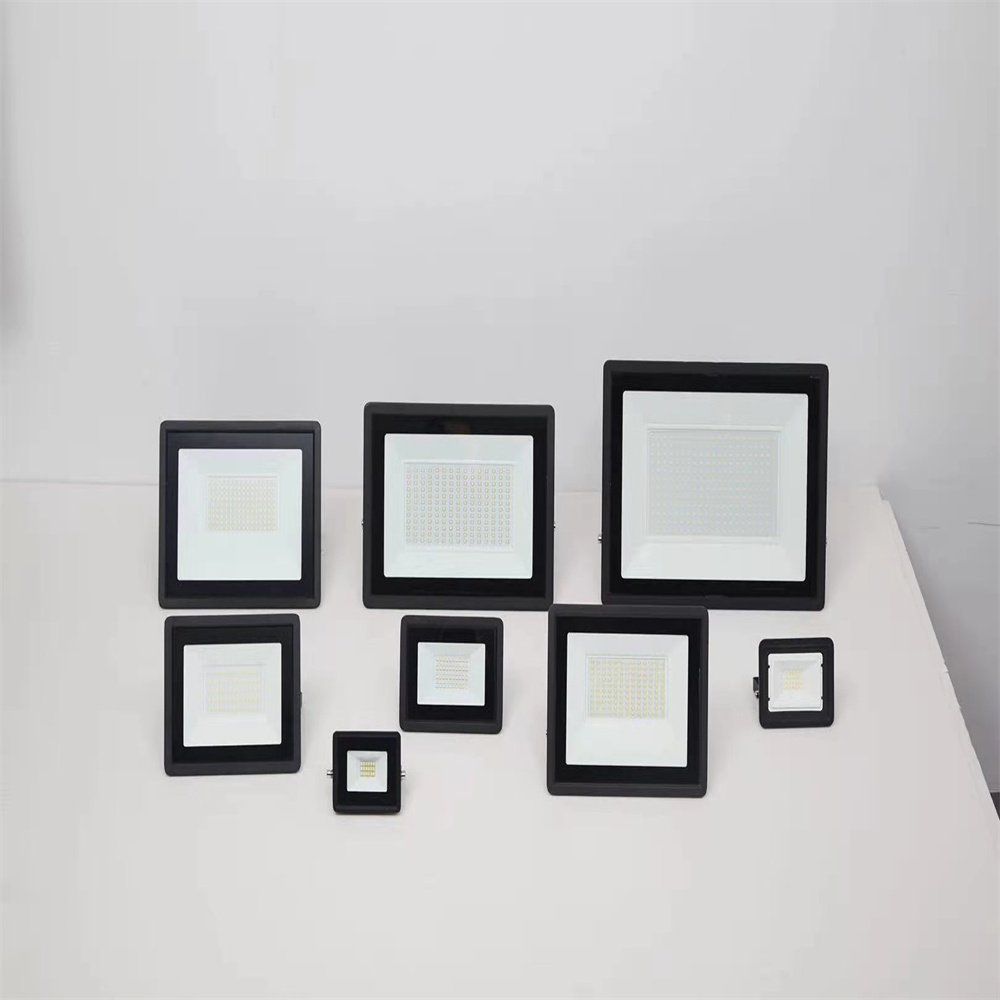
RRR Lighting’s cataloged flood-light range runs 50W, 100W, 150W, and 200W – see the LED flood lights category page. For a parking lot or warehouse yard, a 100W–200W fixture is the usual starting point, with multiple units spaced for even coverage.
How Many Lumens Should the Fixture Deliver?
Lumens measure total brightness. RRR Lighting notes that outdoor floodlights commonly need 700–1300 lumens for everyday spaces, while very large areas such as stadiums can need higher intensity. Use lumens – not watts – as the brightness yardstick, and scale total lumens to area and mounting height: the higher the pole, the more output you need to hit the ground.
One verified efficiency claim worth noting: RRR’s reflector-based flood lights are positioned as a 500W halogen replacement that saves over 80% on the electricity bill, thanks to high-efficiency SMD chips and a radial reflector surface.
Which IP Rating Is Right for Outdoor Use?
IP (Ingress Protection) ratings use two digits: the first for solids (6 = dust-tight), the second for liquids. RRR Lighting’s guidance is clear:
- IP65 – the best balance for typical outdoor LEDs; dust-tight and resistant to rainfall, sprinklers, and low-pressure jets. This is the rating on RRR’s standard flood lights.
- IP66 / IP68 – for harsher wash-down or near-water locations such as pools and fountains.
Read the full breakdown in RRR Lighting’s IP rating guide. For yards, parking lots, and warehouses, IP65 is sufficient and standard.
What Housing Material and Build Quality Should You Look For?
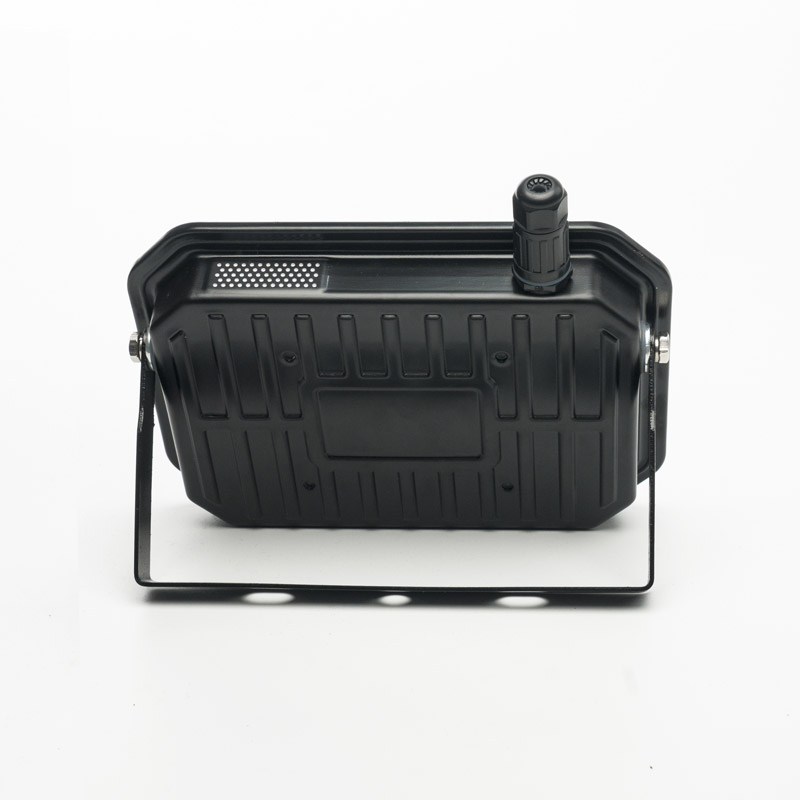
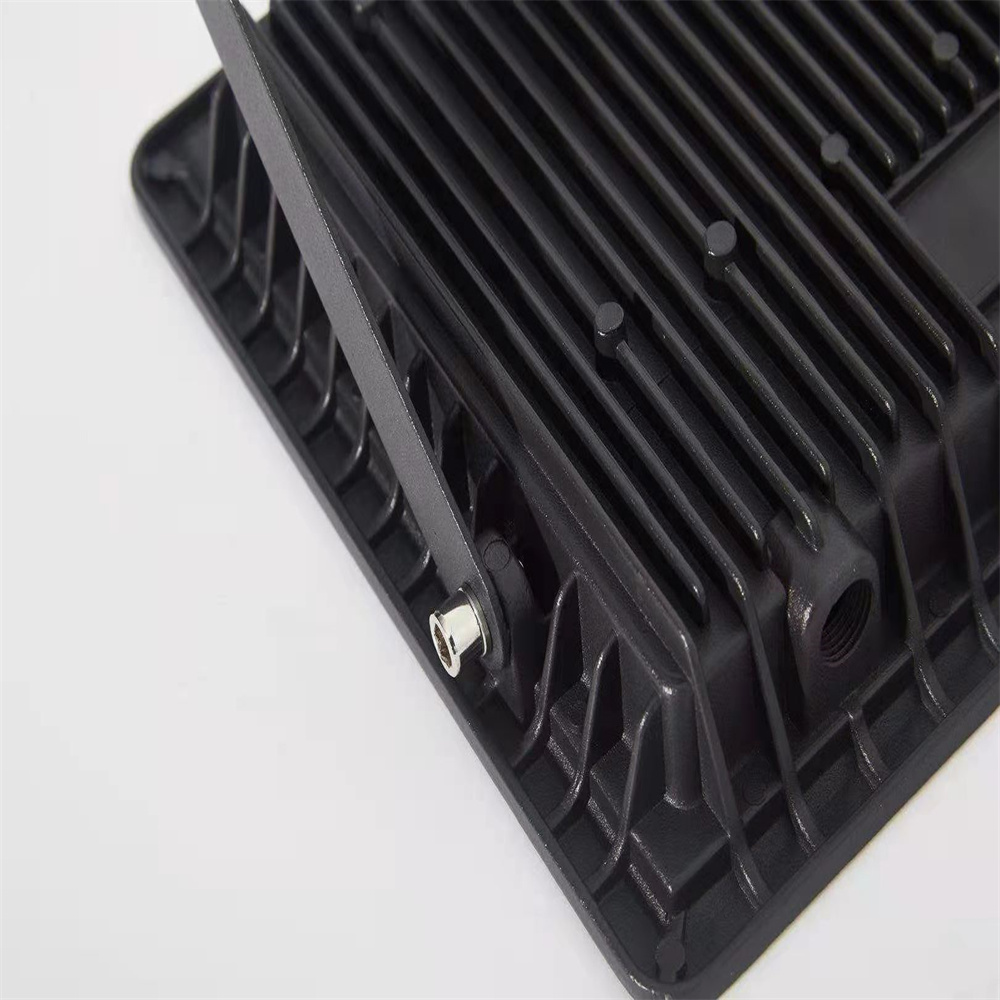
Outdoor fixtures live outside for years, so the housing decides lifespan. RRR Lighting builds its flood lights with a heavy-duty die-cast aluminum housing and tempered (heat-resistant) lenses, plus a waterproof breathable membrane that equalizes internal pressure and reduces condensation. Die-cast aluminum moves heat away from the LEDs efficiently and resists corrosion when maintained.
The brand’s detailed material write-up – what type of material is best for outdoor lighting – explains why die-cast aluminum paired with polymer lenses is the standard for durable outdoor luminaires.
What Color Temperature Works Best for Area Lighting?
Color temperature (Kelvin) changes how a space feels and how well cameras read it:
- 2700–3000K (warm) – inviting for yards, patios, and landscape accents.
- 3600–4100K (neutral) – clean working light for maintenance and yard areas.
- 4500–5000K (cool) – crisp, high-detail light for driveways, parking, and security camera support.
For parking lots and warehouse perimeters where security and camera capture matter, cool white (4500–5000K) is the practical default. See RRR Lighting’s color temperature guide.
How Do You Match Beam Angle to the Space?
A wide beam covers a short, broad area; a narrower beam throws light farther. Low mounting (under 6m) over a parking row wants a wide flood; a tall pole over a yard wants a tighter, longer-throw optic. RRR’s flood lights use a wide beam angle suited to broad area coverage, and the W78 series is engineered to “precisely control the light,” which matters when you want to avoid spilling onto neighboring property.
Which RRR Lighting Fixtures Fit General Area Lighting?
Three verified options cover most general-area jobs:
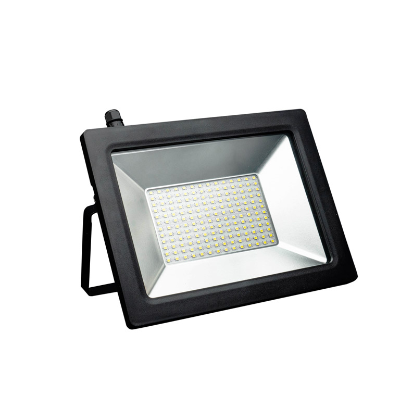
- WL71 100W–200W LED flood light – a 100W/200W workhorse for parking lots and yard perimeters.
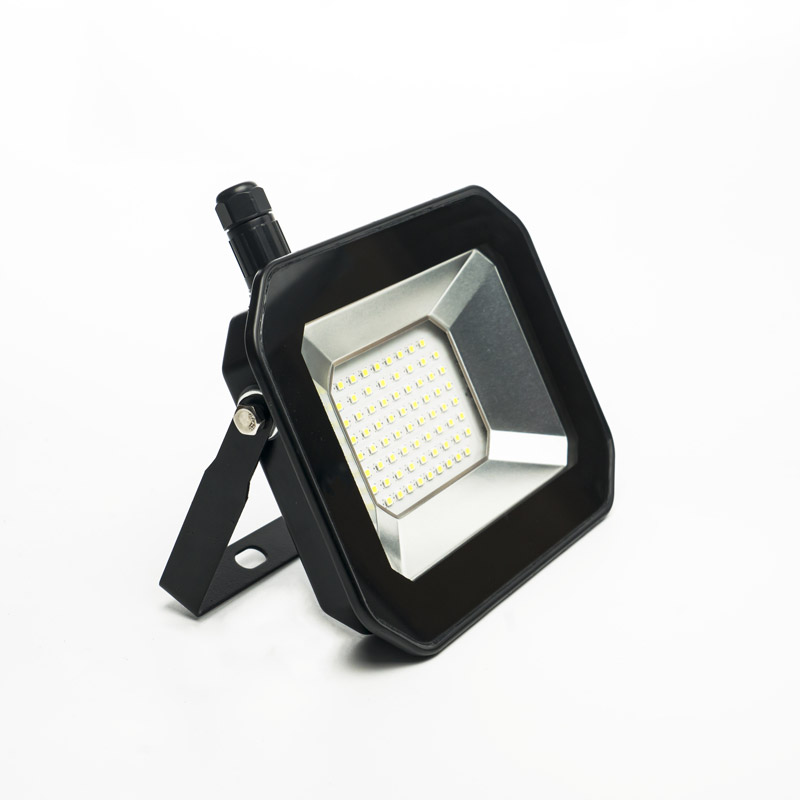
- WL78 series outdoor LED floodlight – ultra-thin, anodized-aluminum-reflector design for buildings, parks, billboards, and sculptures.
- WL85 commercial LED flood lights – corrosion-resistant finishes (aluminum, stainless-look coatings) for commercial facades and lots.
Browse the full range on the LED flood lights category page.
What Certifications and Build Signals Matter?
For B2B procurement, look for compliance marks and in-house quality control. RRR Lighting states its flood lights carry CE, RoHS, FCC, and EMC certifications, are tested with in-house equipment, and are backed by ODM/OEM manufacturing capability. A heat-sink fin design and breathable membrane are good physical tells of thermal care.
Step-by-Step: How to Choose Your Fixture
- Measure the area and estimate mounting height (pole or wall).
- Pick a wattage band from the table above (10–30W / 40–100W / 100W+).
- Confirm IP65 (or IP66/IP68 for wet zones).
- Choose color temperature – cool white for security, warm for landscape.
- Select housing – die-cast aluminum with tempered glass and a breathable membrane.
- Verify certifications (CE/RoHS/FCC/EMC) and supplier testing.
- Layout multiple units for even coverage, then confirm beam spread.
For a deeper pre-purchase checklist, see how to choose the right LED floodlights y the ultimate guide to LED floodlights.
Frequently Asked Questions
What wattage LED flood light do I need for a parking lot?
For a standard parking lot, start at 40–100W per fixture and add units for even coverage; larger or taller installations use 100W+ fixtures. Always size by area and pole height, not watts alone.
Is IP65 enough for outdoor flood lights?
Yes. IP65 is dust-tight and resists rainfall and low-pressure jets, which covers yards, parking lots, and warehouses. Choose IP66/IP68 only for wash-down or near-water locations.
How long do RRR Lighting LED flood lights last?
RRR Lighting states its LED flood lights are engineered for 50,000–100,000 hours of operation, roughly 13+ years at 10 hours per day, supported by die-cast aluminum heat dissipation.
What certifications do RRR flood lights carry?
RRR Lighting lists CE, RoHS, FCC, and EMC certifications, with in-house testing and inspection on every flood light.
Should I use warm or cool light for a warehouse yard?
Use cool white (4500–5000K) for warehouse yards and security zones – it improves visibility and camera detail. Reserve warm white (2700–3000K) for landscape and hospitality accents.
Can these fixtures be customized for a brand color?
Yes. RRR Lighting offers ODM/OEM services and, on commercial lines such as the WL85, customizable finishes including company colors and weather-resistant coatings.